


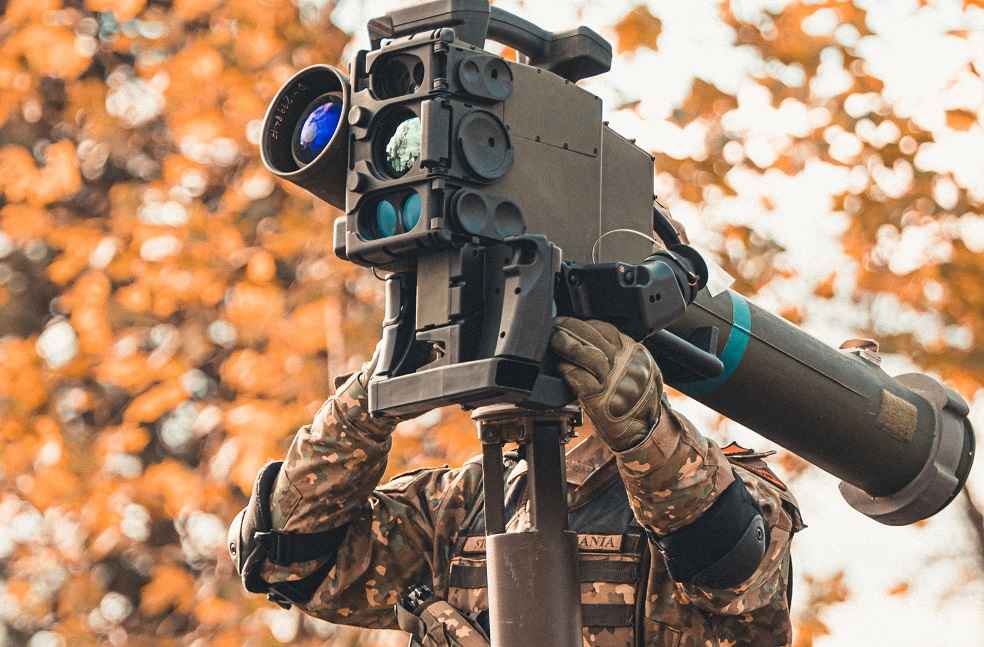
The Japanese government plans to abolish the ‘five category’ rule on defense equipment exports next year, according to government sources.
Government and ruling party sources said work has started to scrap the five-category restriction on defense equipment exports, with the change planned for next spring.
By amending the operational guidelines of the Three Principles on Transfer of Defense Equipment and Technology, the government intends to allow exports of defense equipment from additional categories, including items with highly lethal capabilities.
The revision is anticipated to bolster Japan’s defense sector and broaden collaboration with partner nations.

The government and ruling parties are also weighing additional measures, such as tighter export controls, to ensure Japan’s defense equipment does not contribute to armed conflicts.
The removal of the rule is outlined in the coalition agreement between the Liberal Democratic Party and the Japan Innovation Party.
Next year, the government is set to update three key security documents, including the National Security Strategy. It also plans to scrap the rule before updating the three security documents, ensuring the revisions are incorporated into them.
Meanwhile, the Liberal Democratic Party’s Research Commission on Security has launched full-scale deliberations on revising the policy governing the transfer of defense equipment and technology.
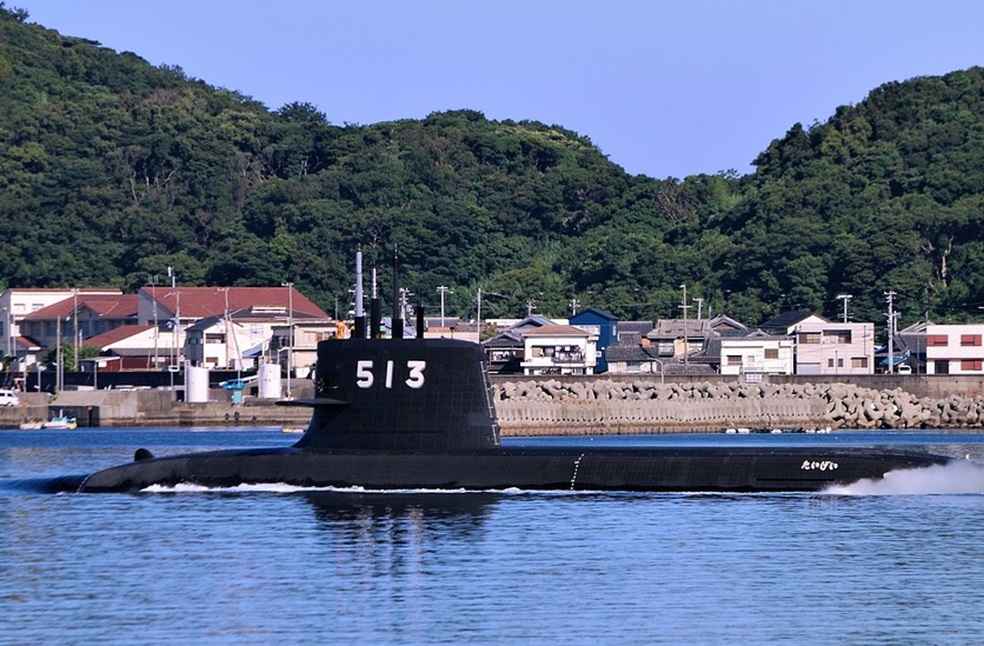
The commission has expressed support for abolishing the rule and is expected to submit a proposal as early as February.
The government anticipates the review will be completed around April.
Under the existing system, Japan allows the export of fully assembled defense equipment only within five specific categories: rescue, transport, vigilance, surveillance, and minesweeping.
Highly lethal equipment, including surface combat vessels, is prohibited from export unless certain requirements are satisfied, such as participation in international joint development projects.
TRADE WORLD | Tariffs Now Hit One-Fifth of Global Imports, Says WTO