


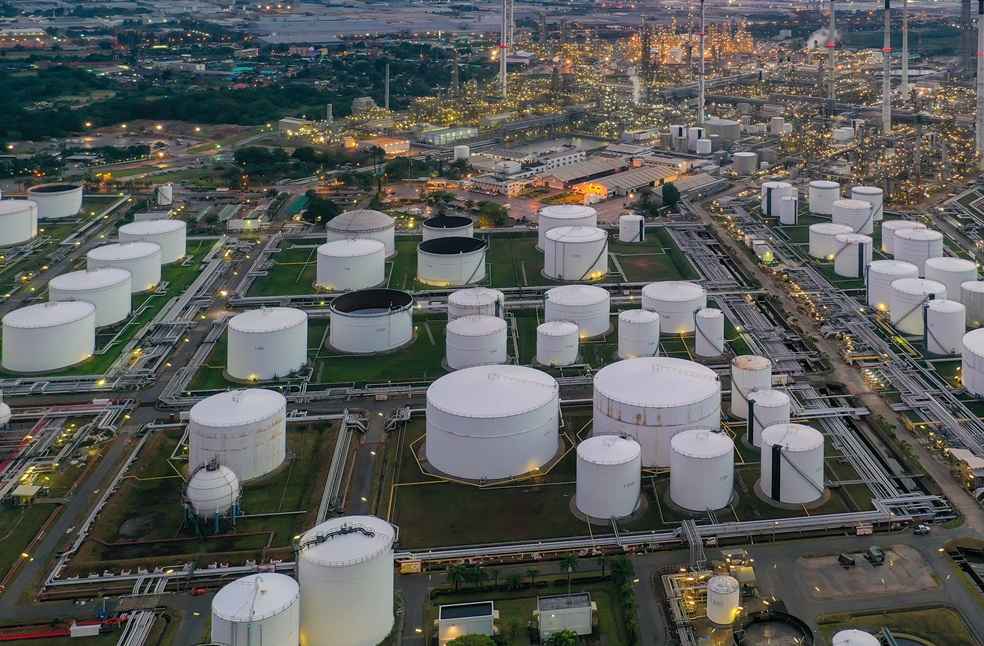
Global crude oil prices remain highly elevated and volatile as tensions in the Middle East continue to reshape market expectations.
As of March 14–15, 2026, Brent crude is trading around $103–$104 per barrel, while WTI crude is hovering near $99–$100. Prices surged after the escalation of conflict in the region and mounting concerns about potential supply disruptions, keeping oil close to the psychologically important $100 threshold.
The current price levels reflect a market increasingly driven by geopolitical risk rather than traditional supply and demand dynamics.
Trump remarks unsettle markets
Investor sentiment was further shaken by Donald Trump’s remarks on negotiations with Iran.
“Iran is trying to reach an agreement, but I am not ready for that. I cannot accept the conditions in the proposed deal,” he said.
Trump declined to disclose additional details about the points of disagreement.
The statement has reinforced expectations that tensions in the region could persist for an extended period, increasing uncertainty across energy markets.
Kharg Island strike escalates
The conflict entered a new and potentially more dangerous phase following a U.S. strike on Iran’s Kharg Island, a key hub for the country’s oil exports.
Kharg Island is widely regarded as the economic backbone of Iran’s oil industry. Any disruption to operations there could have immediate consequences for global crude supply.
Trump also indicated that oil storage facilities on the island could become targets in future operations.
Meanwhile, Iran accused the United States of carrying out the attack using facilities located in some Gulf countries. Tehran warned that retaliatory strikes against those locations could follow, raising the risk that the conflict may widen.
Hormuz route faces scrutiny
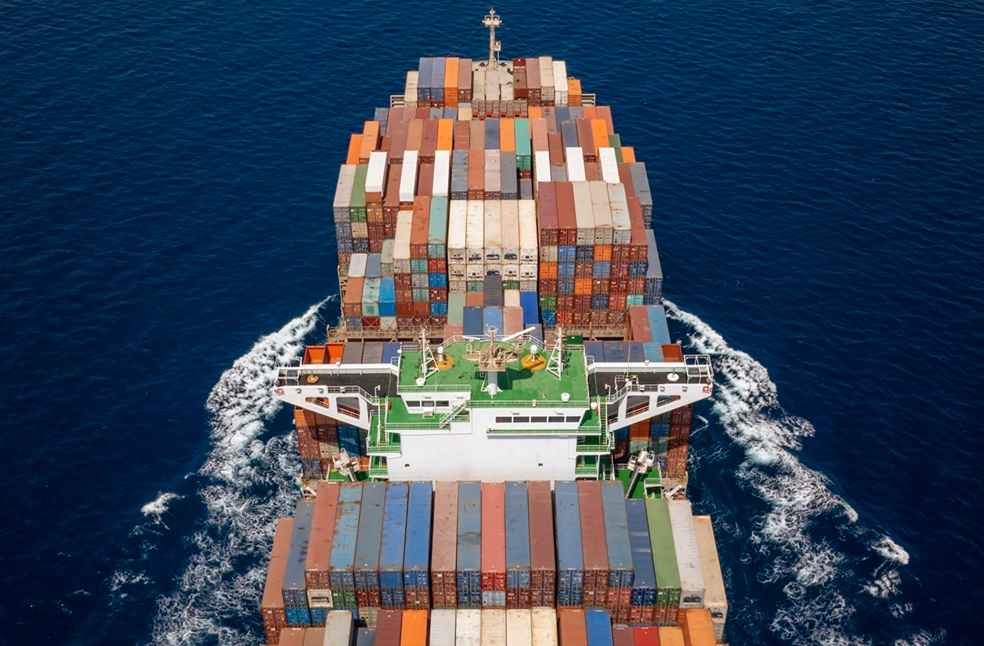
Attention is now increasingly focused on the Strait of Hormuz, one of the most critical maritime routes for global energy shipments.
Trump previously suggested that additional countries could send warships to secure the waterway. However, the United Kingdom and China have not confirmed any participation.
The United States faces a significant strategic challenge if Iran attempts to disrupt shipping through the strait.
Iran has stated that it is only blocking ships connected to Israel or the United States. Nevertheless, insurance companies are becoming increasingly reluctant to cover vessels entering the region, creating a major operational risk for global shipping and energy markets.
U.S. Defense Secretary Pete Hegseth said the government is considering providing naval escorts for commercial vessels operating in the area.
Oil supply risks grow
Further attacks on Kharg Island or prolonged disruptions in the Strait of Hormuz could have severe consequences for global energy markets.
Approximately 90 percent of Iran’s oil exports pass through the Kharg Island region, meaning any damage to the infrastructure there could significantly reduce global oil availability.
Even after two weeks of conflict, crude prices remain close to the $100 level.
Earlier in the week, prices briefly climbed to around $120 per barrel before retreating. Market analysts warn that if the crisis continues without a diplomatic solution, prices could rise significantly.
Currently, $125 per barrel is viewed as a critical resistance level. If that threshold is breached, analysts believe $150 per barrel could become a realistic scenario, potentially exceeding the historic peak set in 2008.
Markets react to oil risks
The surge in crude prices has already triggered significant volatility across global financial markets.
Energy costs remain a major driver of inflation expectations, and sustained oil price increases could further strain global economic stability.
Equity markets have experienced sharp swings as investors respond to geopolitical developments and shifting expectations for energy supply.
Fuel prices pressure US
Higher oil prices are also feeding through to consumer energy costs.
Reports indicate that petrol and diesel prices have risen by roughly 28 percent since the conflict involving Iran escalated.
The increase is raising renewed concerns about inflation and economic stability in the United States, where fuel prices remain a politically sensitive issue.
Shipping faces disruptions

Energy supply chains are also facing logistical challenges as shipments navigate the increasingly tense security environment.
Liquefied petroleum gas shipments sufficient for about one month of demand are currently waiting for clearance to pass through the Strait of Hormuz.
Two LPG tankers carrying 46,000 tonnes each have already been cleared to transit the route and are expected to arrive soon. Additional shipments totaling approximately 276,000 tonnes are awaiting approval.
The situation underscores how quickly geopolitical tensions can disrupt global energy flows.
Markets brace for volatility
Financial markets have already shown signs of strain.
Equity benchmarks recorded significant declines during the past week, reflecting investor anxiety about the potential economic impact of sustained oil price increases.
Market participants are also closely watching the upcoming U.S. Federal Reserve meeting scheduled for March 17, with the policy decision expected the following day. Any shift in interest rate expectations could further influence global financial markets already grappling with energy-driven volatility.
Metals add market signals
Gold and silver markets are also contributing to the broader financial picture.
Despite rising oil prices, both metals have recently moved lower. Gold is currently trading around $5,020 per ounce in international markets.
If the current trend continues, analysts suggest prices could weaken further.
Fragile global energy outlook
The current crisis highlights how quickly geopolitical developments can reshape the global energy landscape.
With crude already near $100 per barrel and key supply routes under threat, the risk of further price spikes remains real.
If tensions escalate or shipping through the Strait of Hormuz is disrupted, oil markets could face a shock severe enough to push prices toward $150 per barrel, a level that many analysts now say cannot be ruled out.
MOST READ | Hormuz Tensions Push Oil Higher, Test Global Trade