


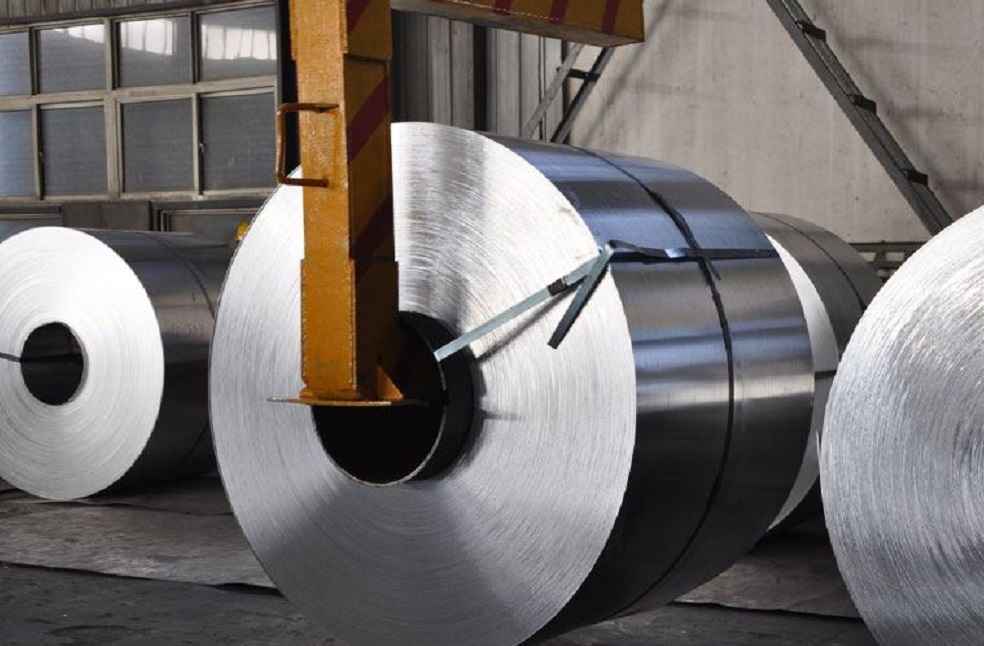
China will introduce an export licensing system for steel, starting next year, to limit the flow of the metal that has fueled global trade disputes.
According to a joint statement issued by the Ministry of Commerce and the General Administration of Customs on Friday, China will begin regulating exports of certain steel products through the export licensing system starting January 1, 2026.
The statement noted that exporters will be required to obtain official approval to ship specific steel products starting January 1 but did not specify the reason behind the decision.
Under applicable laws and regulations, the two authorities have included certain steel products in the updated 2025 catalog of items requiring export licenses. Exporters must provide an export contract along with a product quality inspection certificate issued by the manufacturer when applying for the licenses.
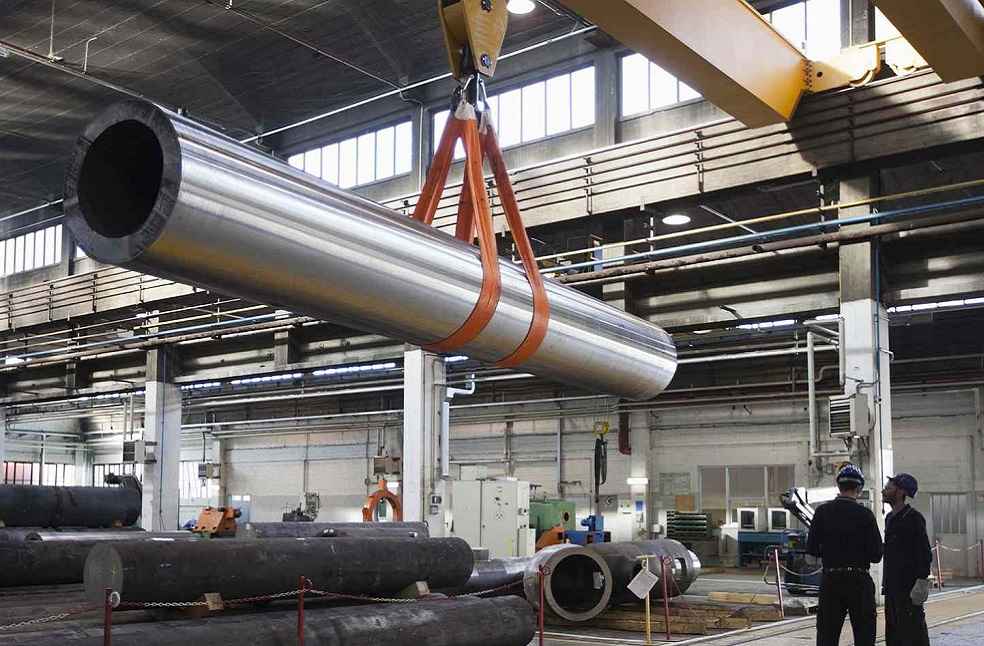
Although the authorities did not reveal the complete list of steel products included, the statement suggests that stricter oversight will apply to selected categories of steel exports rather than imposing a blanket ban.
Steel remains a vital industrial raw material and a major export for China, underpinning both domestic growth and international trade. From January to October 2025, China’s steel exports, covering both finished and primary products, totaled $74.74 billion, highlighting Chinese steel’s active role in global supply chains and its contribution to the industry’s international expansion.
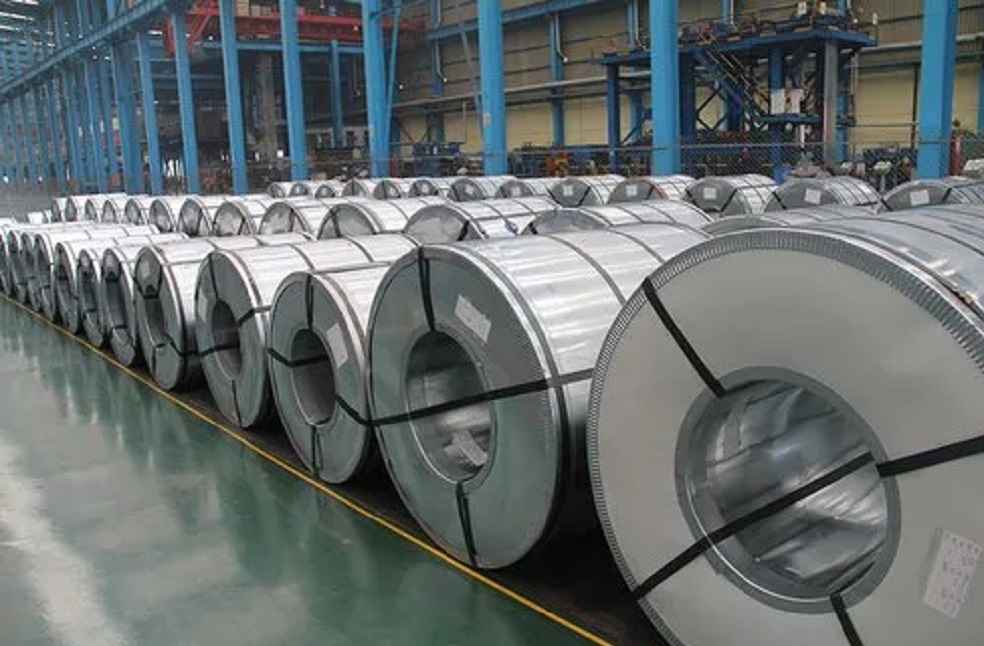
The China Iron and Steel Industry Association affirmed that the export licensing system is a crucial step to regulate steel exports and support high-quality development.
The decision comes as China adjusts its trade and industrial policies in response to international attention on steel supply and pricing. The licensing system is anticipated to improve traceability and compliance for exports.
Additional details on implementation are expected to be provided by the authorities before the system takes effect in January 2026.
POLICY & LAW | EU Approves Levy on all Small Parcels to Tackle Cheap Imports