


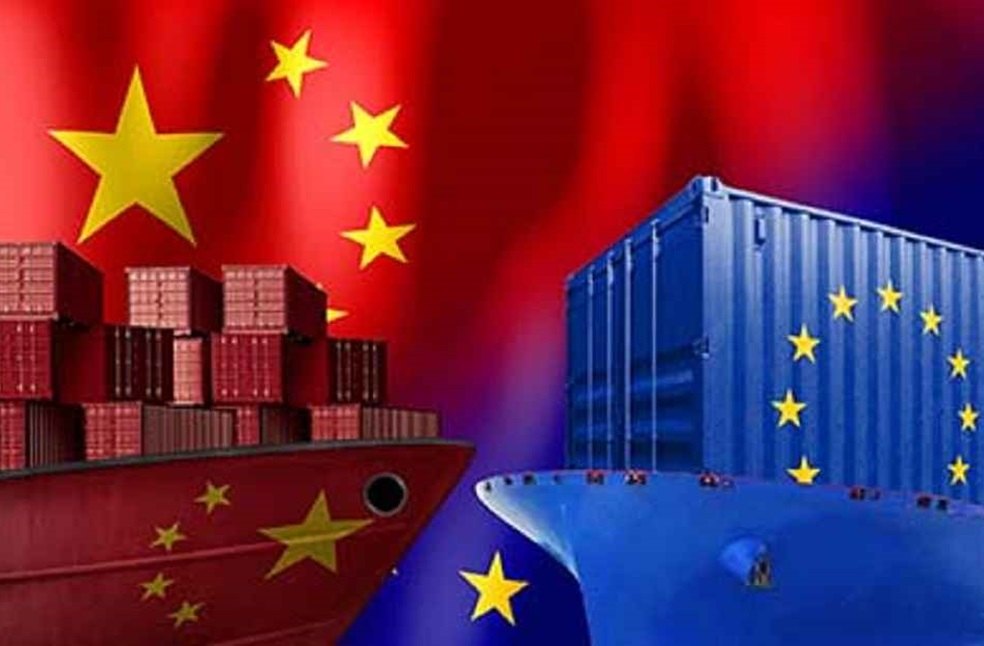
China’s Ministry of Finance introduced new restrictions on government procurement of European Union-made medical devices valued at over ¥45 million (approximately $6.3 million). The move is a direct countermeasure to the EU’s recent decision to exclude Chinese companies from participating in major public tenders for medical equipment.
The new regulation, which took effect on Sunday, also restricts imports of medical devices from non-EU countries if over 50% of the components used in those products are sourced from the European Union. However, the Finance Ministry clarified that medical devices manufactured by European companies within China, as well as those produced by companies that have invested in China, are not subject to these restrictions.
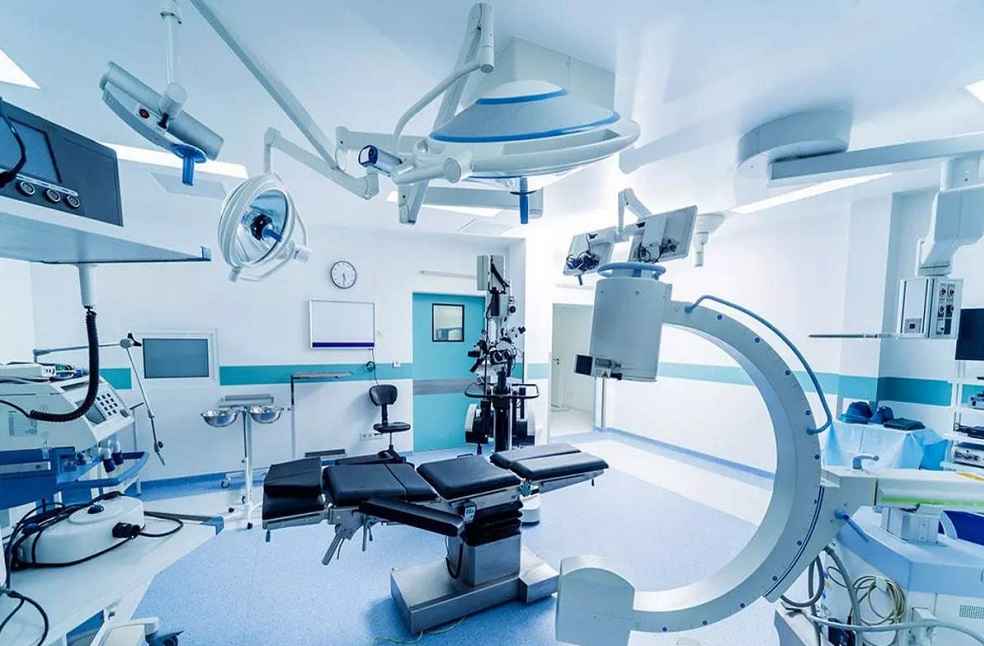
The step comes amid growing discord between the two economies, fueled by a series of retaliatory trade measures. Last month, the European Commission barred Chinese firms from bidding on EU public contracts for medical devices valued at €60 billion annually. The decision was made under the International Procurement Instrument, introduced in 2022, to promote fair market access. It followed the Commission’s conclusion that European companies face unfair restrictions when competing for public contracts in China.
Meanwhile, on Friday, China imposed anti-dumping tariffs on European brandy, with French cognac as the primary target. Although major producers received exemptions, the measure was seen as a response to EU duties on Chinese electric vehicles that Beijing strongly opposed. In retaliation, China has also launched investigations into European pork and dairy imports, further deepening the economic standoff across multiple sectors.

China has consistently conveyed its willingness to resolve disputes with the European Union through dialogue, consultation, and mutual procurement agreements, according to a statement from a Ministry of Commerce spokesperson. However, the EU has disregarded these efforts and continues to implement restrictive measures.
BUSINESS GENERAL | Tanzania, Korea Strengthen Trade Ties to Boost Exports

