


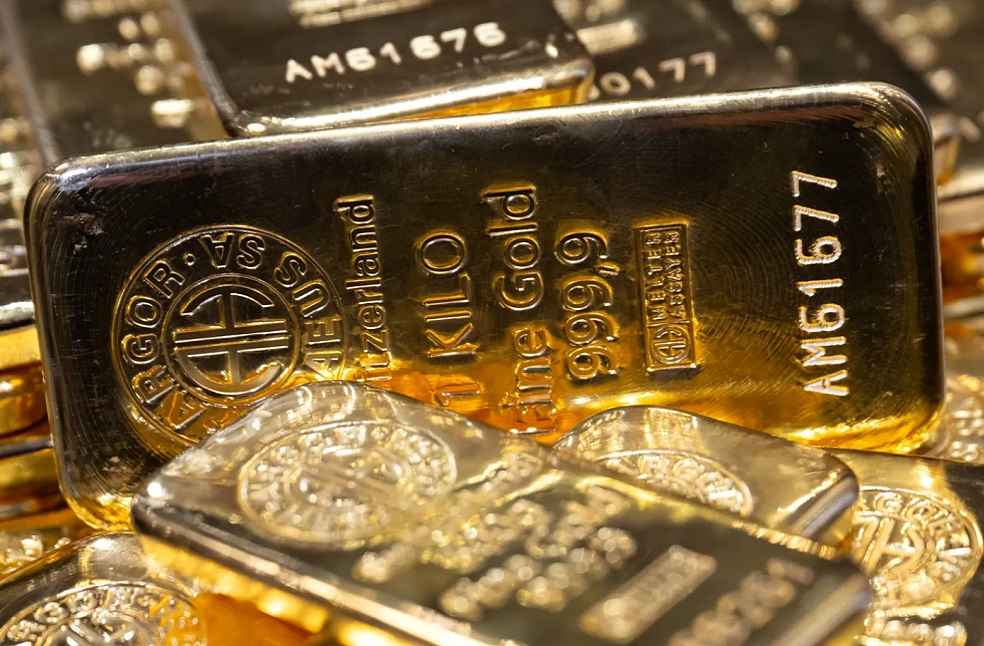
Russian gold exports to Hong Kong reached a record level of nearly 100 tons in the first seven months of 2026, as Western sanctions continued to redirect Russian bullion away from traditional financial hubs such as London and New York, the Financial Times reported.
Trade data indicates that Hong Kong’s imports of Russian gold between January and July 2026 were almost three times higher than the volume recorded during the corresponding period in 2025.
Since Russia’s full‑scale invasion of Ukraine in 2022—when the United States and United Kingdom banned imports of Russian gold—Hong Kong entities have purchased Russian gold worth roughly 276 billion Hong Kong dollars ($35 billion), according to the Financial Times. Neither Hong Kong nor mainland China has imposed restrictions on imports of Russian gold.
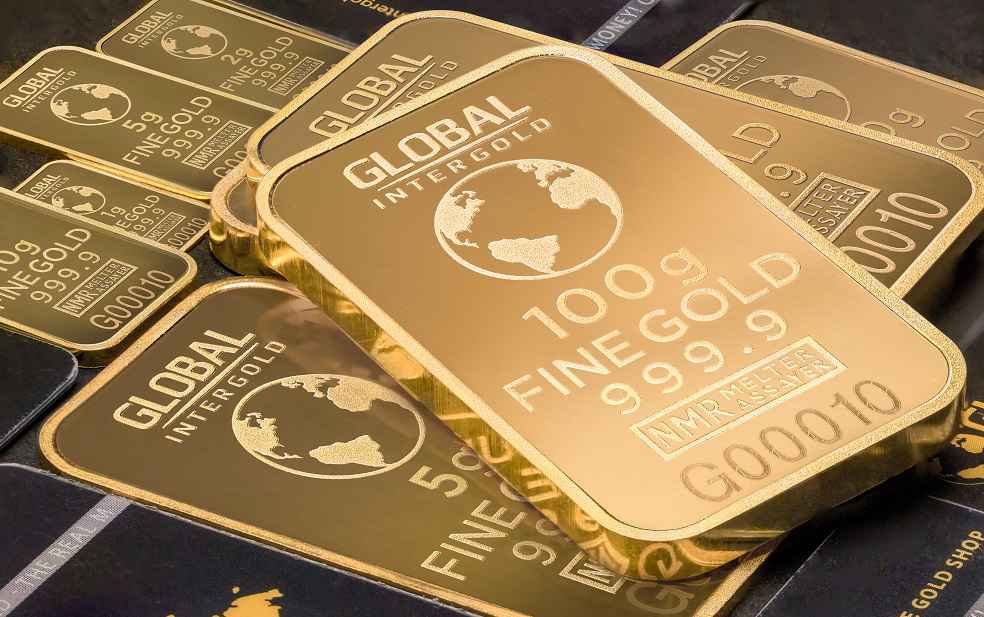
Much of the gold entering Hong Kong is subsequently transferred to mainland China, the world’s largest producer and consumer of bullion. Strict import quotas in mainland China encourage Chinese buyers to acquire and hold bullion in Hong Kong, where gold imports are not subject to the same restrictions.
The increase in Russian gold exports provides an important source of financial support for Moscow, the world’s second-largest gold producer, as the country continues to depend on commodity trade with China.
The growing volume of Russian gold transiting through Hong Kong poses significant compliance challenges for Western financial institutions. In 2024, the U.S. Treasury imposed sanctions on several Hong Kong‑based companies for their involvement in a Russian gold laundering network.
The record level of Russian gold exports to Hong Kong comes as Russia has been drawing down its domestic gold reserves at an unprecedented pace. The Central Bank of Russia’s holdings had declined to 73.2 million troy ounces, equivalent to approximately 2,280 tons, as of August 1, the lowest level recorded since January 2020.
The country’s gold holdings fell by approximately 50 tons during the first seven months of the year, reducing the value of its reserves by $33.7 billion. The central bank has been liquidating assets to help meet increasing demands on the federal budget.
TRADE WORLD | Chip Boom Drives South Korea’s Exports Past $700 Billion

