


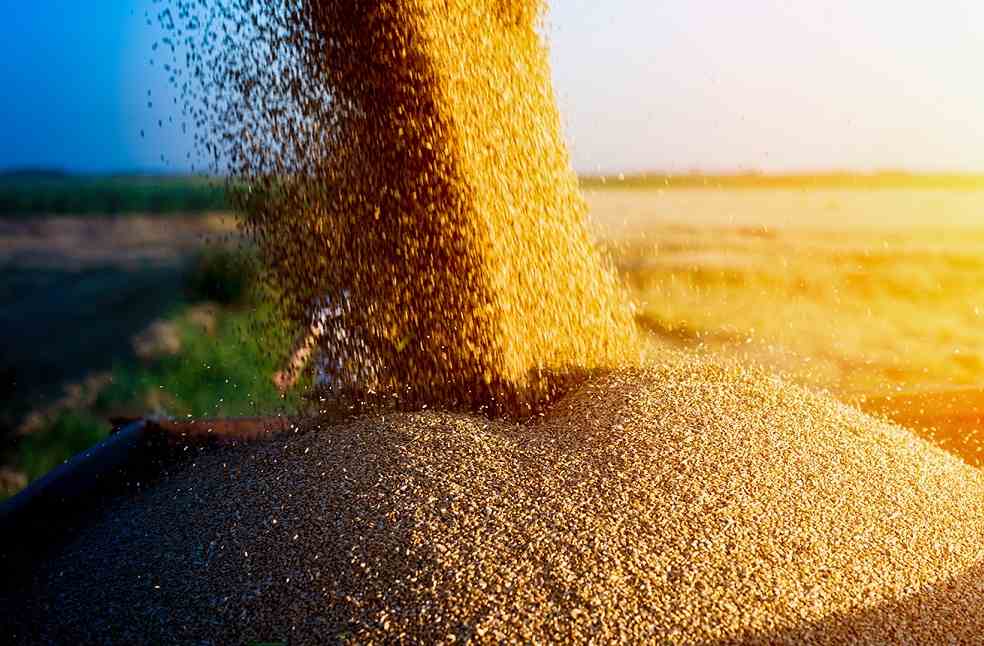
The European Union is exploring alternative routes to facilitate Ukrainian grain exports as logistical challenges continue to disrupt agricultural shipments, according to Bloomberg.
The EU is in discussions with Ukraine and neighboring countries to maintain stable grain exports, with Brussels evaluating several transportation options as shipments through the Black Sea decline.
One solution being evaluated is the ‘solidarity routes,’ logistical corridors established to support the movement of Ukrainian exports and imports. However, the route is currently ineffective, limited by low water levels along the Danube.
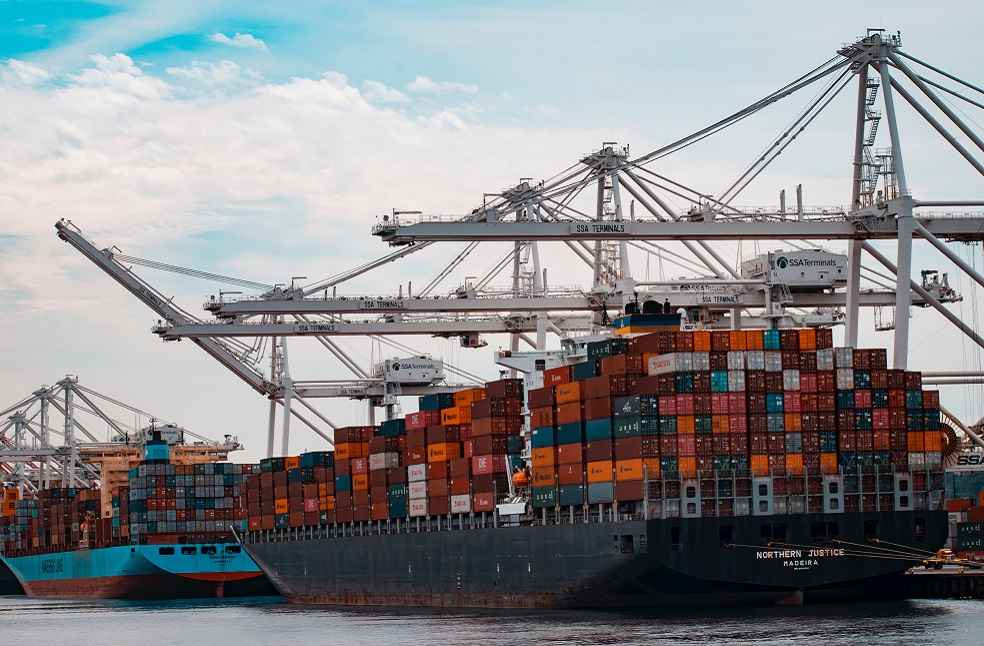
The logistical challenges are occurring amid continued disruptions in the Black Sea region, where attacks have constrained agricultural exports from both Ukraine and Russia. Meanwhile, drought conditions are contributing to a decline in agricultural output across EU nations, adding further pressure to global food markets.
Wheat and corn prices have climbed to multi-year highs as markets respond to geopolitical tensions and weaker harvests.
Meanwhile, the European Commission is developing measures to assist farmers affected by drought and extreme heat. EU officials are considering several forms of support, including the potential use of force majeure provisions for certain farmers, greater flexibility in funding eligibility requirements, and increased assistance under emergency fertilizer measures.

The European Union may also accelerate the disbursement of funds available through the Common Agricultural Policy.
European Commissioner for Agriculture Christophe Hansen has warned that reduced agricultural production within the EU could eventually contribute to shortages of agricultural commodities in other parts of the world. Additionally, the EU continues to explore ways to facilitate Ukrainian exports, which remain an important source of supply for global agricultural markets.
BUSINESS GENERAL | Indonesia, Singapore to Launch AI Trade Platform Taia for MSMEs