


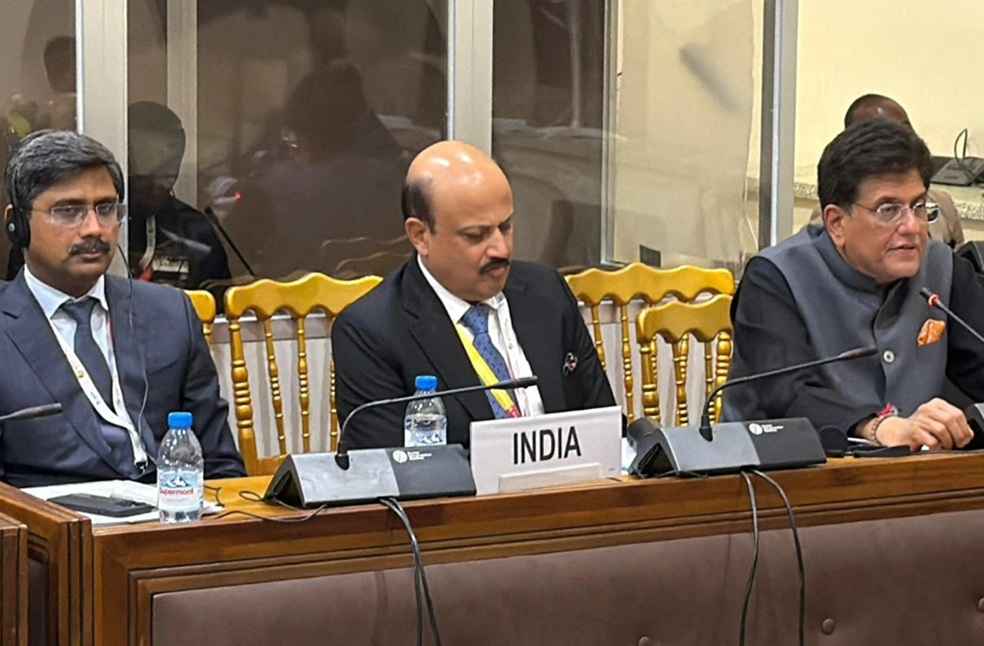
Trade ministers at the World Trade Organization (WTO) meeting in Yaoundé, Cameroon, are struggling to bridge a widening gap between India and the United States over the future of digital trade rules, as negotiations enter their final phase without a clear resolution.
At the centre of the dispute is the moratorium on customs duties on electronic transmissions, which covers digital downloads and cross-border data flows. The measure, in place since 1998, is set to expire this month, and its extension has become a critical test of the WTO’s ability to remain relevant in an increasingly digital global economy.
India has indicated it would accept a limited extension of the moratorium. Three diplomats confirmed that New Delhi is open to a two-year continuation, reflecting a cautious approach aimed at preserving future policy flexibility. As digital trade continues to expand rapidly, developing economies are increasingly concerned about locking in permanent commitments that could restrict their long-term fiscal and regulatory options.
The United States, however, has taken a firm stance. U.S. Trade Representative Jamieson Greer has made it clear that Washington is not interested in a temporary extension, instead pushing for a permanent outcome that would provide long-term certainty for businesses operating in the global digital economy.
This divergence highlights a deeper policy conflict. While the United States prioritises predictability and stability for global commerce, India is seeking to retain the ability to shape its future digital trade framework. The issue goes beyond technical negotiations, reflecting broader tensions between developed and developing economies over control, flexibility, and long-term economic strategy.
Business leaders have warned that failure to extend the moratorium could introduce uncertainty, potentially allowing countries to impose new duties on digital transactions. Such a move could disrupt cross-border trade flows, increase operational costs, and fragment the digital marketplace.
Diplomatic discussions suggest that compromise options are being explored. There are indications that the United States could consider a “pathway to permanence” through a longer-term extension. One Western diplomat said a 10-year framework is under discussion, while others pointed to a five- to ten-year compromise. However, resistance from several WTO members makes it unlikely that consensus will be reached on anything beyond a shorter extension.
A draft document circulated among members proposes support for developing countries along with a review clause, reflecting attempts to balance competing interests. Still, the lack of agreement underscores persistent structural challenges within the WTO’s consensus-based decision-making system, where even a single country can delay progress.
The debate over the moratorium is unfolding alongside broader efforts to reform the WTO. Members are working to improve transparency in subsidy use, simplify decision-making processes, and revisit foundational principles such as the Most-Favoured-Nation rule, which ensures equal treatment among members.
The United States and the European Union argue that current rules have been exploited, particularly by China, to their disadvantage. At the same time, many countries have expressed frustration with the slow pace of reform within the organisation.
“We are frustrated that we are spending a lot of time talking about process, when we want to get on with the real work, reforming the WTO,” a western diplomat said.
India has also resisted efforts to incorporate plurilateral agreements into the WTO framework, arguing that such arrangements risk eroding the institution’s core principles of inclusivity and equal participation.
Parallel to the moratorium negotiations, a significant development has emerged. Sixty-six WTO members, representing approximately 70% of global trade, have adopted interim arrangements to implement the WTO Agreement on Electronic Commerce. This move establishes a pathway to introduce global digital trade rules among participating members, even as broader consensus remains elusive.
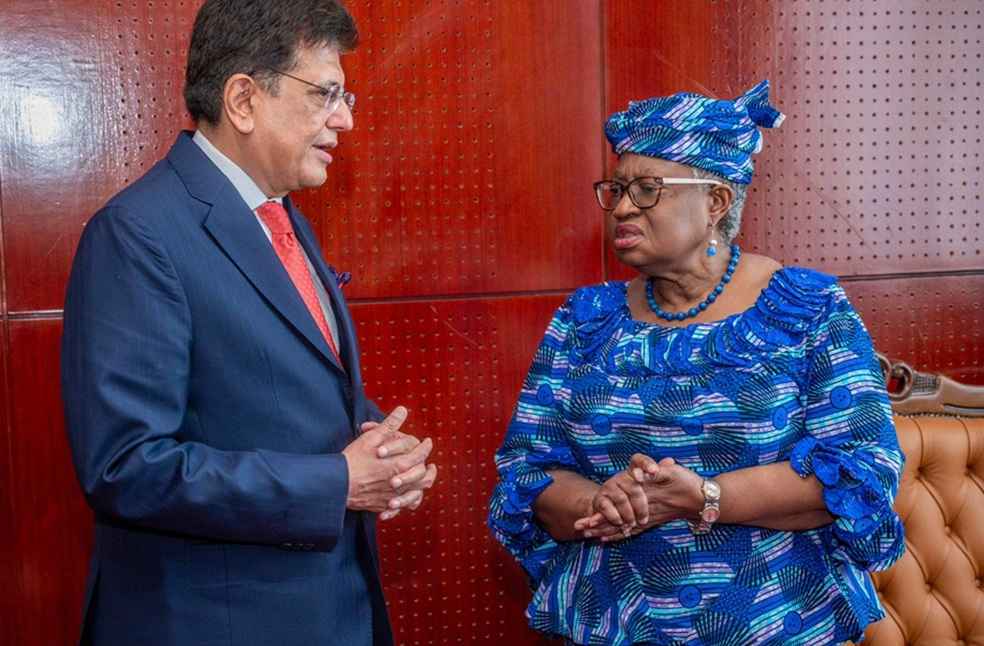
WTO Director-General Ngozi Okonjo-Iweala highlighted the importance of the initiative, stating: “Digital trade is an exciting frontier for driving economic growth and job creation. By moving forward with the E-Commerce Agreement, participating economies are helping to establish a shared regulatory framework that can lower costs and unlock new opportunities. They are also demonstrating that the multilateral trading system can respond, and is responding, to new challenges and changing economic circumstances. Continued cooperation is vital to ensure that digital trade remains open and predictable, and that its benefits are shared across economies at all levels of development.”
The interim arrangements will allow the agreement to enter into force once a required number of members complete their domestic procedures. Participating countries have also reaffirmed their commitment to eventually incorporate the agreement into the WTO’s formal legal framework.
Supporters argue that such frameworks could unlock significant economic value. Digital transactions already account for more than 60% of global GDP, and research suggests that failing to implement modern digital trade rules could leave substantial trade opportunities unrealised each year.
Meanwhile, India’s Commerce and Industry Minister Piyush Goyal held discussions with ministers and ambassadors from African nations on the sidelines of the conference, reaffirming longstanding trade ties and exploring opportunities to expand investment cooperation.
As negotiations continue, the outcome of the moratorium debate is being closely watched as a test of the WTO’s ability to deliver meaningful outcomes in a changing global economy. Whether through consensus or alternative pathways, the direction taken on digital trade rules will shape the future of global commerce and determine how effectively the multilateral trading system can respond to the demands of the digital age.
INFORMATIVE | Silver’s Tech-Driven Boom Tests Global Supply Chains