


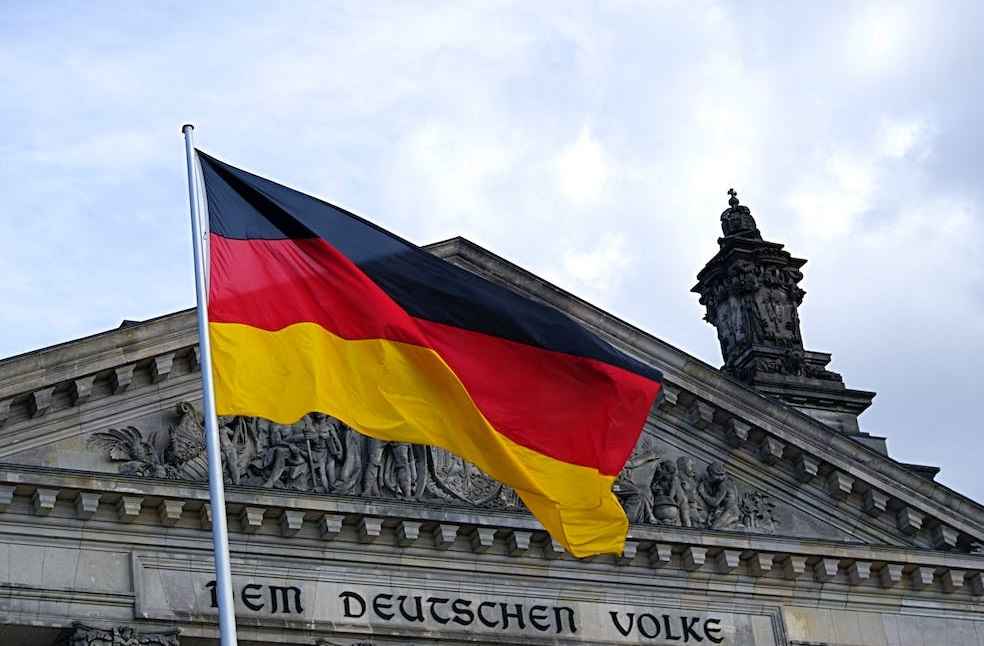
The German government has implemented a temporary policy to simplify the export of certain weapons to Ukraine and several Persian Gulf nations. According to a statement from the German Federal Ministry for Economic Affairs and Climate Action on Thursday, the policy is primarily aimed at the supply of air defense and maritime security systems.
The ministry, together with the Federal Office for Economic Affairs and Export Control (BAFA), introduced the six-month General License policy to simplify the export of air defense equipment to the designated group of nations. The policy took effect on Friday.
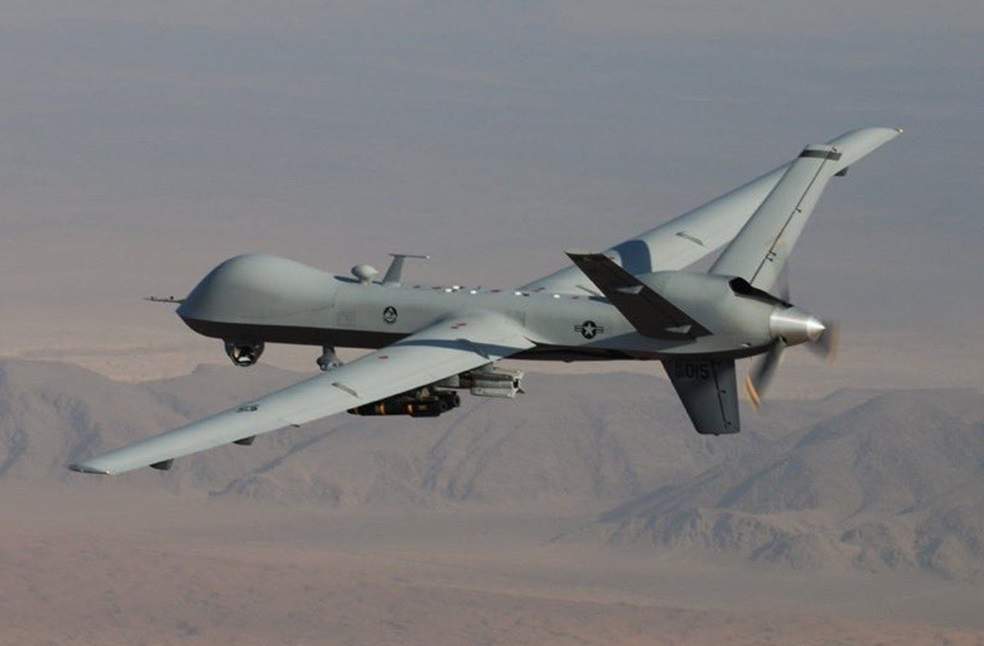
The eligible nations include Ukraine, Saudi Arabia, the United Arab Emirates, Qatar, Kuwait, Bahrain, and Oman.
The mechanism permits the supply of arms without requiring prior approval for each individual application, a measure intended to speed up the export process in the wake of Russia’s full-scale invasion of Ukraine.
The authorization extends to equipment for both air and maritime defense, covering systems developed to detect and neutralize naval mines. This streamlined procedure will remain in place until September 15, with participating companies required to register and provide monthly reports on their deliveries.
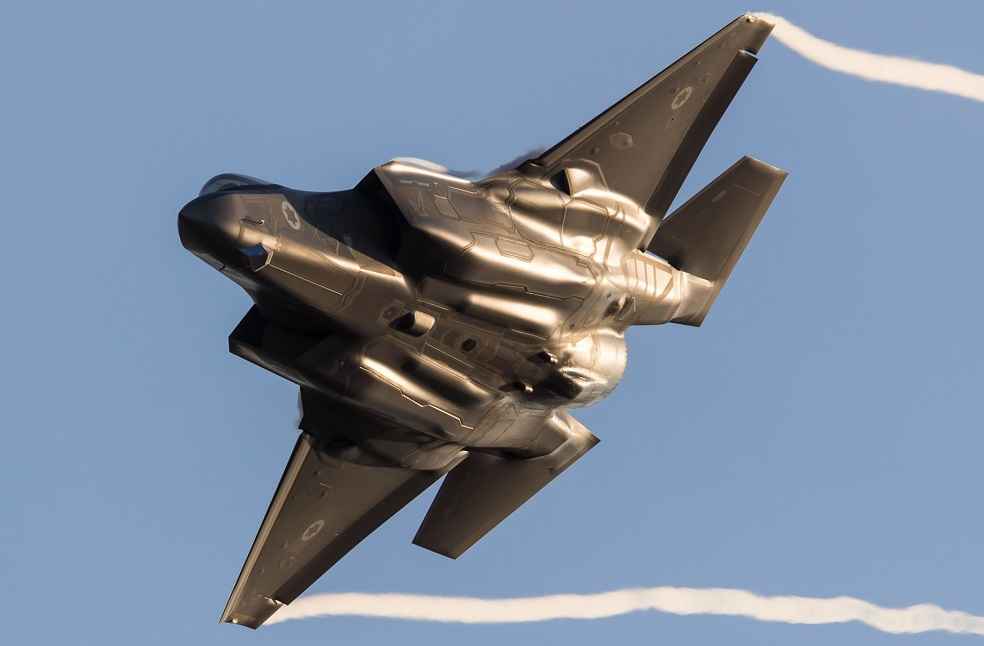
German Defense Minister Boris Pistorius arranged the transfer of around 35 advanced Patriot Advanced Capability‑3 (PAC‑3) interceptor missiles to Ukraine, drawing from both European and German stockpiles.
The minister held discussions with multiple partners to secure the equipment, with Germany providing five missiles from its own Bundeswehr reserves to encourage other countries to take part.
On March 11, Ukrainian President Volodymyr Zelenskyy stated that a new shipment of PAC-3 interceptors for Patriot air defense systems had already arrived from Germany, following agreements by allies at the latest Ukraine Defense Contact Group meeting.
AEROSPACE AND DEFENCE | Switzerland Suspends Weapon Exports to U.S. Over Iran Conflict