


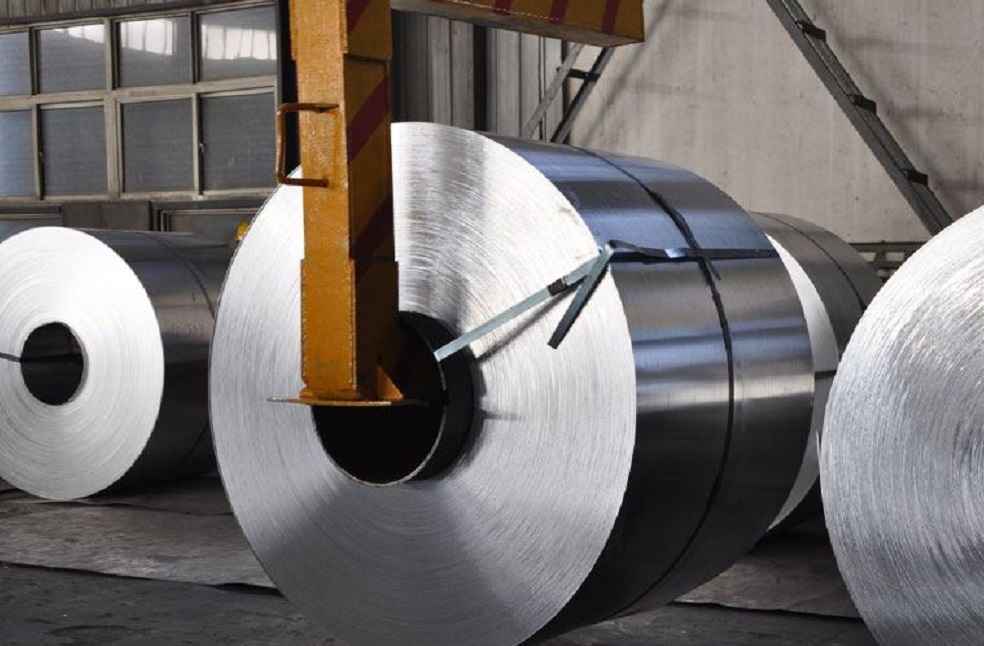
The UK has introduced broad new tariffs and stricter import quotas on steel, signaling a major shift in trade policy aimed at safeguarding domestic manufacturers from a surge of low-cost imports, particularly from China.
Under the new framework, tariff-free import quotas will be reduced by 60% starting in July, while shipments that exceed these limits will be subject to a steep 50% tariff. The policy aligns the UK more closely with measures already implemented by the United States, the European Union, and Canada to protect steel industries from global overcapacity.
The UK steel industry, which has long urged the government to protect it from cheaper imports, has welcomed the new measures. Industry body UK Steel described the decision as a ‘transformation’ in policy. Domestic producers have seen their market share fall to around 30% amid strong global competition driven in part by China’s substantial steel output and softer domestic demand linked to its property market slowdown.
The current safeguards, introduced before the UK’s exit from the EU, are set to expire on July 1.
Business Secretary Peter Kyle said the new tariffs were intended to safeguard the steel industry, which remains central to the government’s industrial strategy.
However, the move has raised concerns among manufacturers that depend on imported steel. The British Chambers of Commerce cautioned that increased tariffs could drive up costs for downstream industries, potentially compressing profit margins and weakening competitiveness.
The tariff adjustments are part of a wider government ‘steel strategy’ focused on revitalizing and decarbonizing the sector. The plans include backing cleaner production methods, such as electric arc furnaces, which rely on recycled scrap metal and produce lower carbon emissions compared to conventional blast furnaces.
POLICY & LAW | Kenya Proposes New Permit Processing Fees for ICT Equipment Imports