


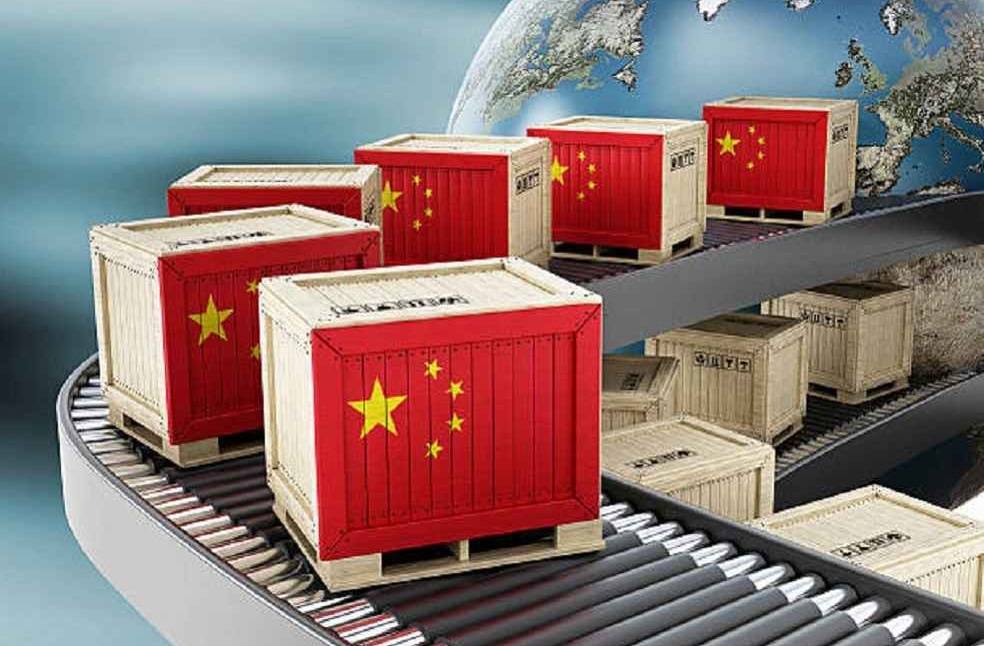
China’s growing focus on imports is emerging as a stabilizing force for global trade, even as international economic prospects remain clouded by protectionism and prolonged trade tensions.
In the early 2000s, the Canton Fair symbolized China’s export-driven growth. Two decades later, the prominence of the China International Import Expo in Shanghai highlights a structural shift toward import expansion.
The eighth edition of the expo, held last November, drew participants from 155 countries, regions, and international organizations, generating an intended transaction value of $83.49 billion, up 4.4% from the previous year and marking a new record.
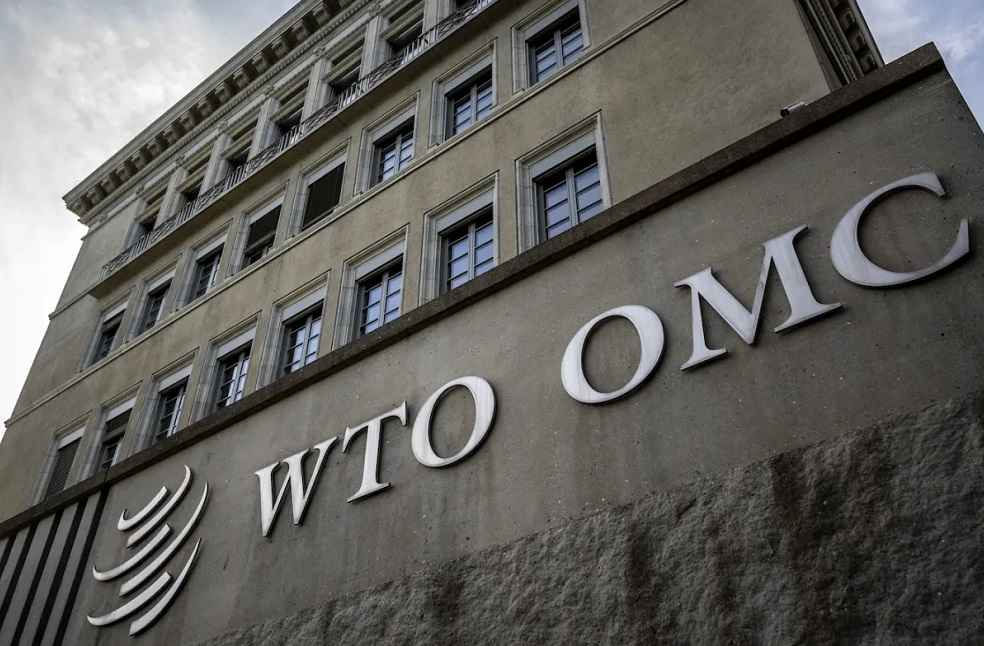
China’s entry into the World Trade Organization in 2001 marked a turning point in its trade trajectory. Lower tariffs and reduced quotas accelerated imports of commodities, machinery, vehicles, and intermediate goods from developed economies, including the European Union, the United States, and Japan.
Over time, China became deeply integrated into global supply chains, particularly for manufacturing inputs and high-technology components.
During the 2010s, rising incomes and rapid urbanization fueled stronger demand for consumer goods imports such as luxury products, electronics, auto parts, and food. At the same time, China increased imports of energy equipment and advanced industrial technologies to modernize its infrastructure and upgrade its industrial base.
China has remained the world’s second-largest import market for 17 consecutive years. Recent tariff adjustments have reduced duties on hundreds of goods to expand access for consumers and high-tech imports, reinforcing a broader policy shift toward higher-level openness.
Revised foreign trade laws expected to take effect in March aim to widen market access, strengthen trade protections, and support digital and green trade.
Trade tensions, particularly with the United States, have reshaped import patterns. While the U.S. has historically exported agricultural products such as soybeans to China, along with selected high-end goods, tariffs and geopolitical friction have prompted Beijing to diversify suppliers.

Greater reliance on ASEAN members, European partners, and Global South economies reflects a strategy of reducing dependence on any single market.
European exporters have benefited from growing Chinese demand for machinery, automobiles, and medical products, while Australia, Brazil, and Russia remain significant suppliers of food, energy, and raw materials.
Trade with ASEAN and Belt and Road partners has expanded faster than overall trade, strengthening regional integration and infrastructure-linked supply chains.
Looking ahead to 2026 and beyond, China’s expanding middle class is expected to further shift the import structure toward higher-value consumption goods and advanced technologies.
High-tech imports will continue to support industrial upgrading, while free trade agreements and institutional reforms are designed to promote more balanced and resilient trade growth.
Analysts say that as globalization evolves under new pressures, China’s import expansion may play a critical role in sustaining global trade flows and reinforcing economic interdependence.
POLICY & LAW | UK to Review Advanced Industrial Machinery Exports to Armenia