



Hong Kong is intensifying efforts to position itself as a global gold trading hub, aligning with Beijing’s broader strategy to expand China’s influence over international bullion markets at a time of elevated geopolitical tensions and record-high gold prices.
Joseph Chan Ho-lim, Undersecretary for Financial Services and the Treasury, said during the first gold trading session of the Year of the Horse that the government is making a comprehensive push to transform the city into a regional center for gold storage and trading.
The initiative, he stated, aims to increase China’s market share in bullion markets and strengthen its role in global gold price formation.
To support that ambition, Hong Kong plans to expand its gold storage capacity to more than 2,000 metric tons within the next three years. Authorities are also preparing incentives to encourage bullion dealers to establish or expand refining facilities in the city, while enhancing cross-border collaboration with mainland regulators and institutions in the precious metals sector.

A central element of the strategy is the launch of a fully state-owned gold clearing system, with trial operations scheduled for later this year. The platform will offer clearing and settlement services designed to reinforce Hong Kong’s credibility as a bullion trading center and provide an alternative to established Western hubs, particularly London.
Officials are also working to deepen coordination between the Shanghai Gold Exchange and Hong Kong’s gold market, strengthening financial integration between the mainland and the Special Administrative Region.
As part of this effort, Hong Kong’s government has signed a memorandum of cooperation with Shenzhen’s Municipal Financial Regulatory Bureau to improve regulatory alignment and liquidity flows between the two jurisdictions and to support local gold dealers.
The initiative forms part of a broader policy direction outlined in late 2024 by Hong Kong Chief Executive John Lee, who announced plans to develop the city into an international gold trading center. Lee noted that Hong Kong already ranks among the world’s largest gold import and export markets by volume.

He said the city’s security and institutional stability in a complex geopolitical environment make it an attractive location for gold storage, which in turn underpins trading, settlement, and delivery activities.
Lee added that expanding gold trading infrastructure would stimulate the wider industry chain, including investment transactions, derivatives, insurance, storage, logistics, and related financial services.
The move comes as several Asian countries explore storing part of their sovereign gold reserves within China’s expanding vault network.
According to a Bloomberg report, Cambodia’s central bank is expected to be among the first to place a portion of its gold reserves in Shanghai Gold Exchange vaults located in Shenzhen’s bonded zone. Other central banks have reportedly expressed interest in similar arrangements.
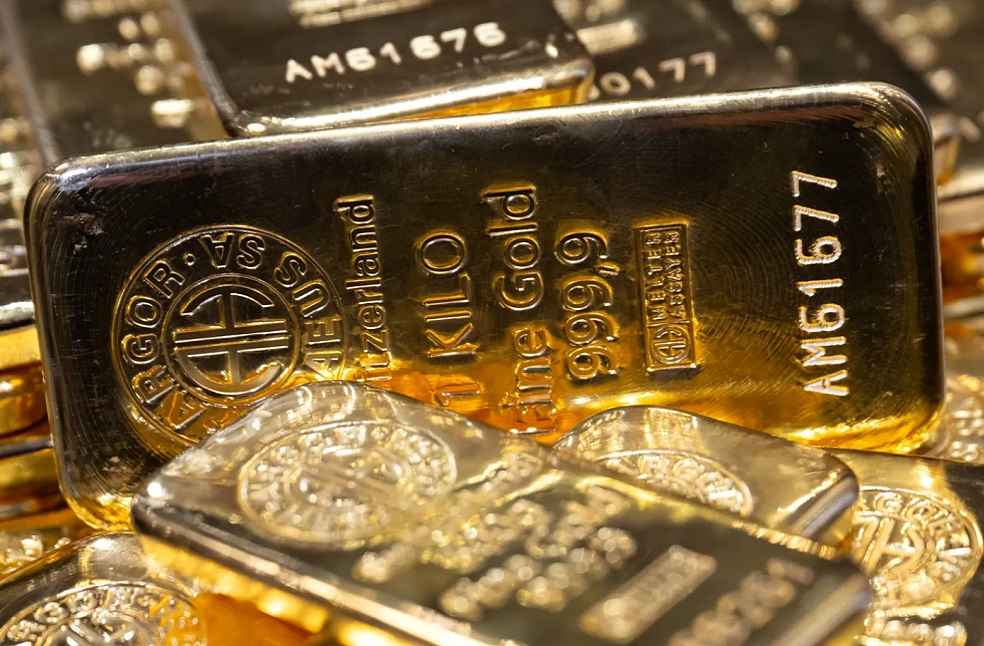
Data from the World Gold Council shows that Cambodia holds approximately 54 tons of gold, accounting for about 25% of its $26 billion in foreign exchange reserves.
Analysts say the push reflects Beijing’s attempt to leverage the global shift toward deglobalization and growing concerns in some countries about reliance on the U.S. dollar.
In recent years, several nations have repatriated gold reserves from traditional storage hubs such as London, opting to hold bullion within their own borders or in jurisdictions perceived as strategically aligned.
Attracting official gold reserves is one dimension of China’s broader effort to reshape the global gold market. This includes expanding the Shanghai Gold Exchange’s offshore vault network in Hong Kong and promoting yuan-denominated precious metals products beyond mainland China.
Together, these measures are intended to strengthen China’s long-term objective of increasing its influence over global gold pricing and reducing reliance on Western-dominated financial infrastructure.
IMEX SECTOR | Brazil Suspends Cocoa Imports from Ivory Coast Amid Oversight Gaps
