


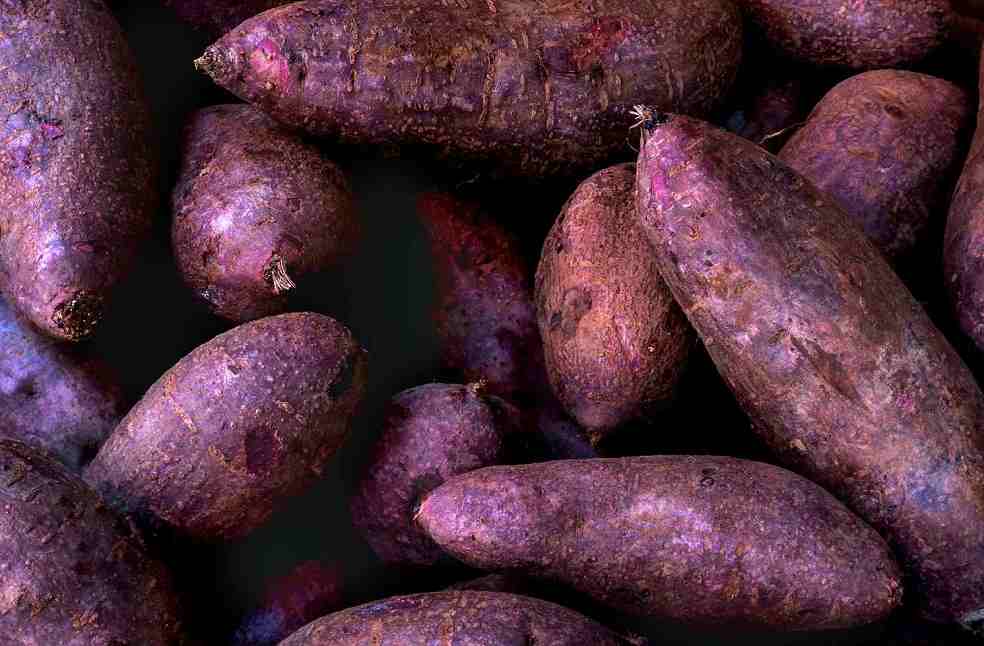
The Philippine ube and ube-based products generated $3.06 million in export earnings in 2025, reflecting growing global demand for authentic Asian flavors, natural food colorants, and versatile specialty ingredients, according to the Department of Trade and Industry.
In a Feb. 20 statement, the DTI said purple yam, traditionally used in Filipino desserts, has evolved into a premium ingredient gaining traction in high-value markets, including the Middle East, the United States, the United Kingdom, and Italy.
The agency reported sustained growth in processed ube exports such as powder, puree, halaya, and flavor extracts, with overseas manufacturers increasingly incorporating the ingredient into ice cream, baked goods, confectionery, specialty beverages, and ready-to-eat desserts.

Global product innovation data underline the crop’s expanding international presence. Figures from Mintel’s Global New Products Database show 359 new products featuring ube launched worldwide, highlighting the ingredient’s rising appeal beyond traditional markets.
While the Philippines still leads in product launches, particularly in cakes, pastries, and dairy-based desserts, new innovation hubs are emerging abroad.
Japan, China, and the United States are driving much of the new product development. Japanese manufacturers are introducing ube in chilled and shelf-stable desserts, Chinese companies are using it in cakes, pastries, and malt-based beverages, and U.S. brands are expanding offerings across ice cream, frozen yogurt, biscuits, and cookies.

DTI Secretary Cristina A. Roque said the growing international recognition of ube demonstrates the country’s ability to transform a heritage crop into a value-added export category.
She emphasized that Filipino farmers and micro, small, and medium enterprises remain central to the sector’s growth, adding that government support is focused on strengthening quality standards, improving supply chains, and ensuring long-term competitiveness.
Through its Export Marketing Bureau, the DTI continues to provide trade promotion programs, market intelligence, and capacity-building support aimed at helping Philippine exporters expand their reach in global markets as demand for specialty ingredients and natural food products continues to rise.
MOST READ | Thai Chamber Warns U.S. Tariffs Raise Export, Baht Risks