


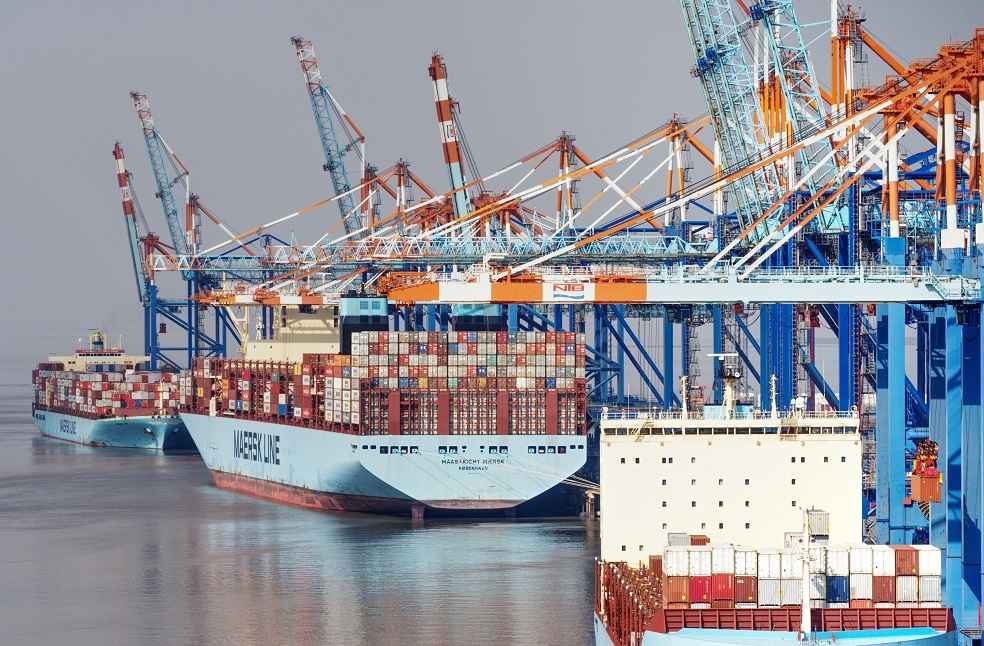
India unveiled seven measures on Friday, including credit assistance for e-commerce exporters and support for alternative trade finance instruments aimed at boosting outbound shipments and enhancing export competitiveness.
The measures are part of the ₹ 25,060 crore Export Promotion Mission (EPM), a five-year program spanning 2025-26 to 2030-31, with three of its ten planned components already introduced in January.
The measures directly address key barriers that hinder MSME growth, such as high financing costs, limited access to diverse trade finance, regulatory burdens, logistical challenges, and information gaps.
The EPM aims to reduce export costs, expand access to trade finance, diversify markets, and strengthen overall competitiveness, particularly as India’s major trade agreements with the UK, U.S., and EU take effect.
The commerce ministry has announced new credit facilities designed to support exporters using digital channels, combining interest subsidies with partial credit guarantees. The Direct E-Commerce Credit Facility will provide assistance of up to ₹50 lakh, backed by a 90% guarantee.
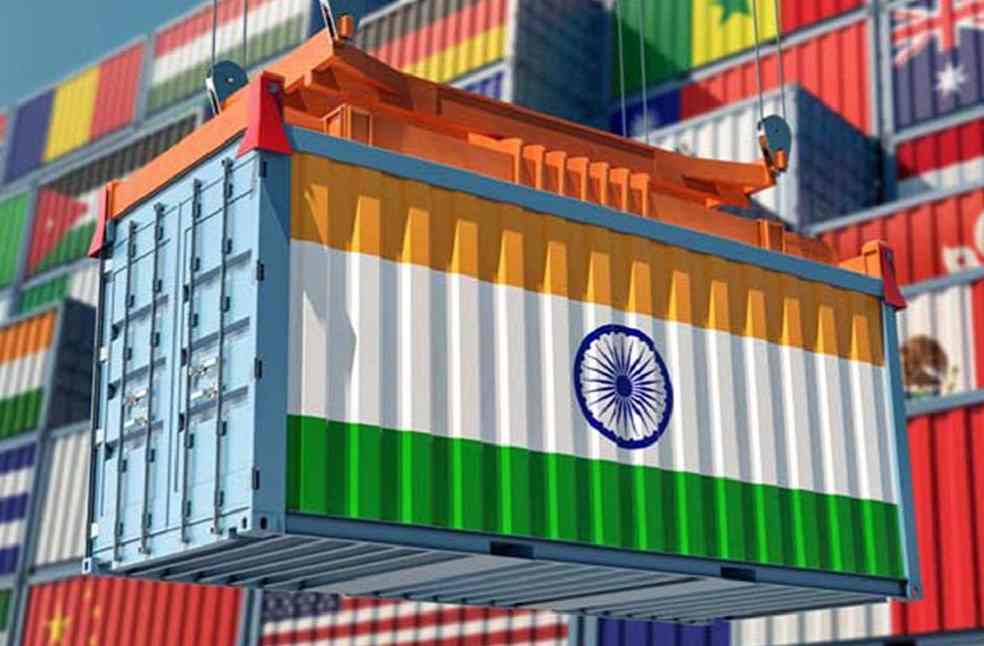
Meanwhile, the Overseas Inventory Credit Facility will extend support of up to ₹5 crore, with 75% guarantee coverage, and will also include an interest subsidy of 2.75%, subject to an annual limit of ₹15 lakh per applicant.
In addition, to encourage MSMEs to adopt export factoring as an affordable working capital solution, a 2.75% interest subsidy will be offered on factoring costs for eligible transactions carried out through entities recognized by the RBI or IFSCA.
The assistance for MSMEs will be limited to ₹50 lakh per year, with claims processed through a digital mechanism to ensure transparency and the timely release of funds. This initiative is intended to help exporters tap into new or high-risk markets by using shared-risk and credit enhancement tools, such as confirmation and negotiation of letters of credit.
Under the Trade Regulations Accreditation and Compliance Enablement (TRACE) framework, exporters will receive support in meeting international standards for testing, inspection, certification, and other conformity requirements. Exporters will be eligible for partial reimbursement of testing, inspection, and certification costs—60% for items on the Positive List and 75% for those on the Priority Positive List—subject to a maximum of ₹25 lakh per IEC each year.
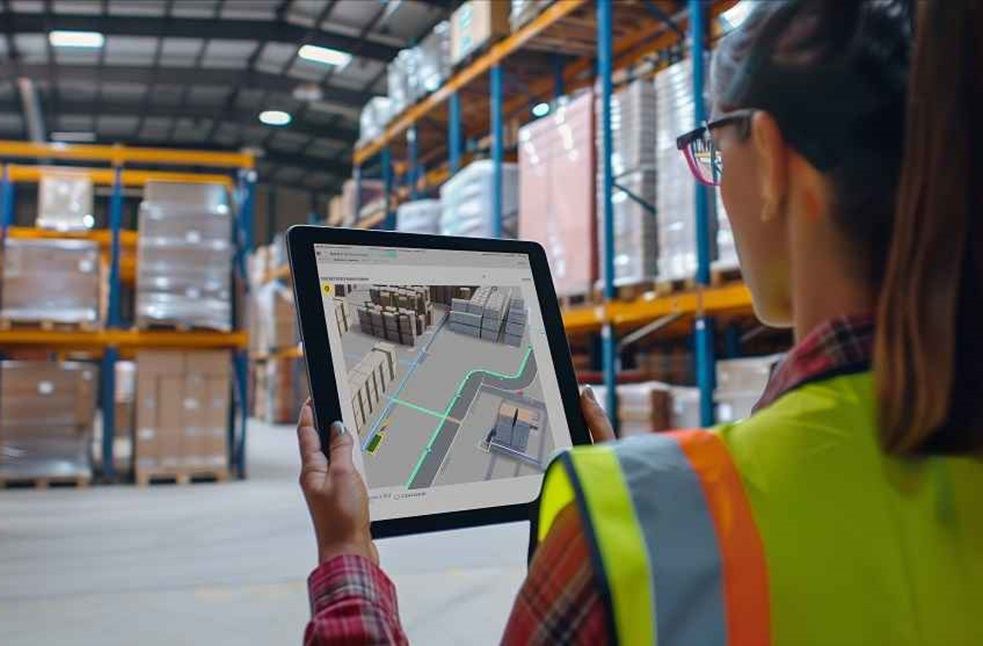
The ministry also introduced the Facilitating Logistics, Overseas Warehousing, and Fulfilment (FLOW) scheme to give exporters access to overseas warehousing and fulfilment facilities, including e-commerce export hubs connected to global distribution networks. Support of up to 30% of the approved project cost will be available for up to three years, within prescribed limits and MSME participation guidelines.
For exporters in the northeastern and hilly regions, the Logistics Interventions for Freight and Transport (LIFT) program was launched to offset geographical challenges, offering partial reimbursement of up to 30% of eligible freight costs, with a cap of ₹20 lakh per IEC per financial year.
Additionally, under the Support for Trade Intelligence and Facilitation (INSIGHT) program, financial aid will generally cover 50% of the project cost, while proposals from central and state government bodies or Indian missions abroad may receive up to 100% support, subject to specified ceilings.
By implementing these coordinated financial and ecosystem interventions, the government seeks to lower capital costs, expand trade finance options, improve exporters’ preparedness for compliance, ease logistical challenges, and boost the integration of MSMEs into overseas markets.
MOST POPULAR | Trump Imposes 10% Tariff on Imports Following Supreme Court Ruling