


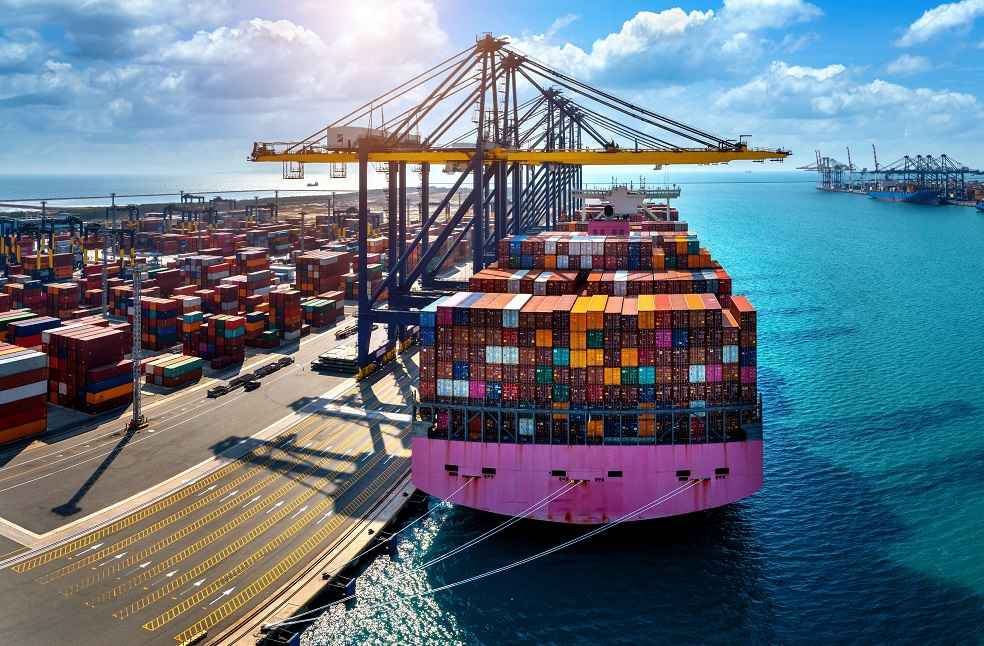
South Korea has fallen in its ranking among the United States’ leading import partners, as Washington’s tariff policies have adversely affected key Korean exports.
The Korea International Trade Association reported on Wednesday that the United States imported goods valued at $113.4 billion from South Korea between January and November of last year, representing a 5.9% decrease compared with the same period in 2024.
In the January–November 2025 period, Korea accounted for 3.6% of total U.S. imports, placing ninth among America’s leading import partners. This represented a decline of two positions from the previous year and marked the lowest share recorded since the Korea International Trade Association began tracking the data in 1988.
Mexico ranked first, exporting goods valued at $492.5 billion to the United States and accounting for 15.7% of total U.S. imports. Canada followed with $351.2 billion, while China contributed $287.3 billion. Other leading sources included Taiwan at $176.7 billion, Vietnam at $175.3 billion, Germany at $140.8 billion, Japan at $133.8 billion, and Ireland at $129.7 billion.
In 2024, before President Donald Trump’s second term, South Korea represented 4% of total U.S. imports, ranking seventh among U.S. import sources. From 2009 to 2024, Korea had consistently occupied either the sixth or seventh position.
The drop in ranking comes after the U.S. implemented a 25% tariff on Korean exports in April of the previous year, which exerted pressure on key shipments to the U.S., including automobiles and steel.

In October, the two nations reached an agreement following a meeting between President Lee Jae Myung and President Trump in Gyeongju, North Gyeongsang Province, which reduced the tariff on Korean exports to 15%. As part of the deal, South Korea committed to investing $350 billion in the United States.
Despite this agreement, uncertainty persists. Trump recently indicated that tariffs on Korean automobiles, pharmaceuticals, and lumber could be reinstated at 25%, up from the current 15%, citing delays in the passage of a special bill designed to facilitate Korean investment in the U.S.
BUSINESS GENERAL | Indian Trade Deals Surge in 2026, Execution Risks Remain