


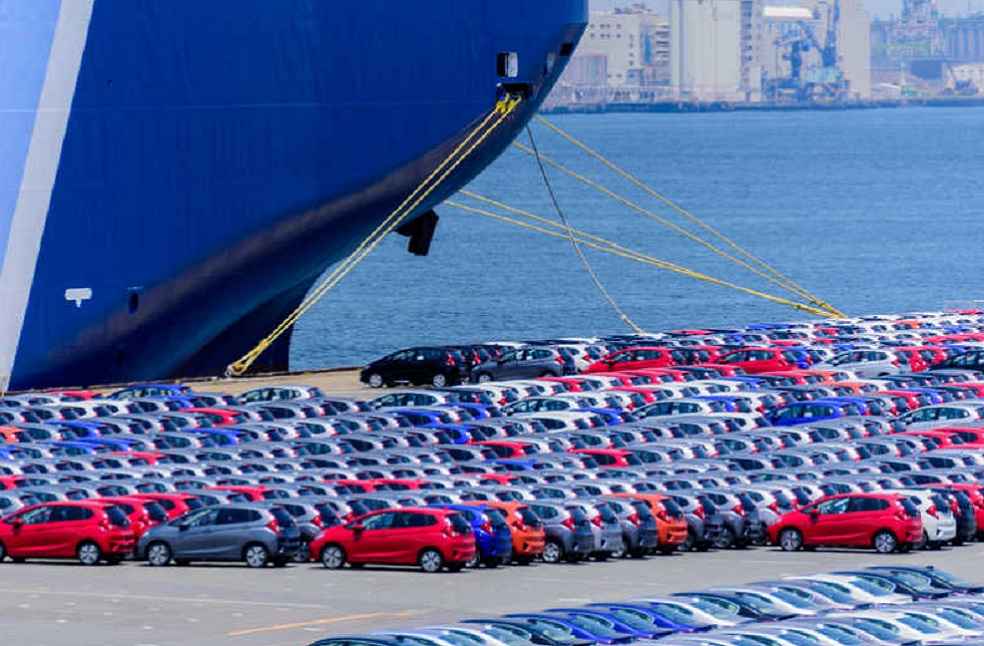
Japan’s transport ministry has eased inspection procedures for U.S. automobile imports as part of a bilateral tariff agreement.
On Monday, Japan’s transport ministry declared the introduction of a certification system to simplify the import process for U.S.-made passenger cars.
The measure, agreed upon with the United States last year, addresses U.S. President Donald Trump’s concerns about the limited export of American cars to Japan.
The transport ministry updated automotive safety regulations to allow imports of U.S. vehicles without additional testing, provided they meet American safety standards. It amended ordinances to remove mandatory exhaust emission and noise checks for cars already compliant with U.S. requirements.
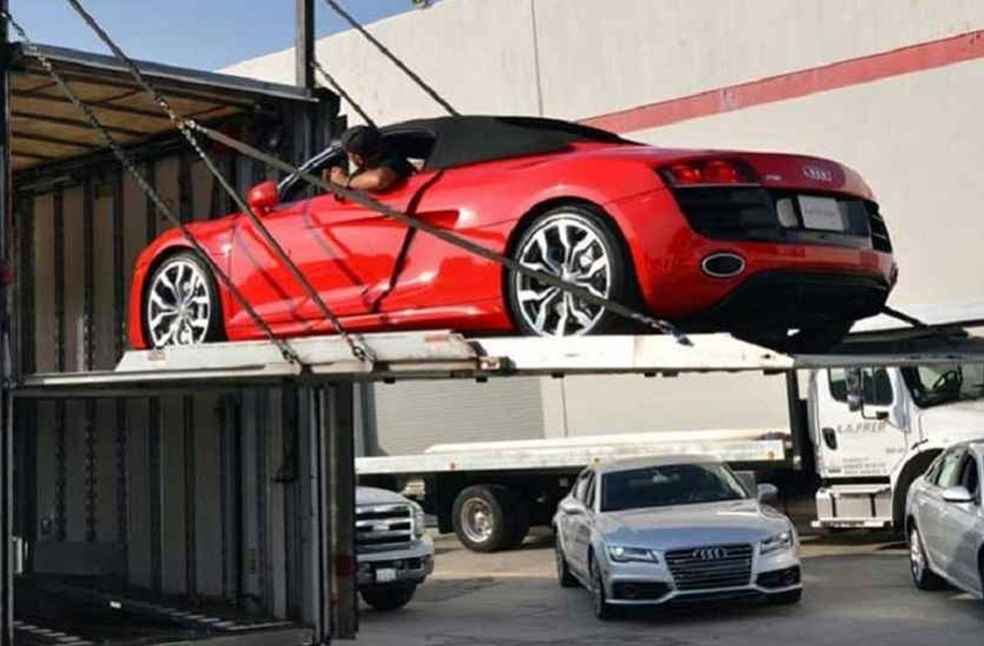
Vehicles in the U.S. and Japan follow different standards, including body strength, signal colors, and measurement units. However, from Monday, U.S. car imports will no longer need extra testing, provided the manufacturers have implemented safety measures and the imports receive approval from Japan’s transport minister.
Vehicles that meet the criteria will carry a red star‑shaped sticker on the rear, and inspection certificates will confirm their status as authorized U.S. vehicles. This deregulation stems from an agreement between Tokyo and Washington reached last July, and the ministry has been finalizing the details for its implementation.

The easing of regulations will also apply to cars built in the United States by Japanese manufacturers when imported into Japan. According to the government, the change is expected to help reduce the U.S. trade deficit with Japan.
Additionally, the Ministry of Economy, Trade, and Industry declared that vehicles produced in the U.S. by Japanese manufacturers will be used as official government cars.
TRADE WORLD | Canada Pushes EU-CPTPP Trade Link Amid Tariff Uncertainty