



Canada is leading efforts to bring two of the world’s largest trade groupings closer together, as discussions begin on a potential economic partnership linking the European Union with the Comprehensive and Progressive Agreement for Trans-Pacific Partnership (EU-CPTPP), according to a report by Politico.
Prime Minister Mark Carney has called for stronger cooperation among middle-power economies amid growing uncertainty in global trade, particularly after renewed tariff threats from the United States.
Speaking to global leaders in Davos, Carney said Ottawa is championing a plan to build closer ties between the EU and the trans-Pacific bloc, a move that could eventually connect markets representing around 1.5 billion people.
The initiative comes as governments reassess supply chains and trade alliances in response to shifting geopolitical pressures. Talks between the EU and the 12-nation CPTPP are focused on exploring ways to align rules of origin, the criteria that determine where goods are produced, and to expand collaboration across manufacturing networks.
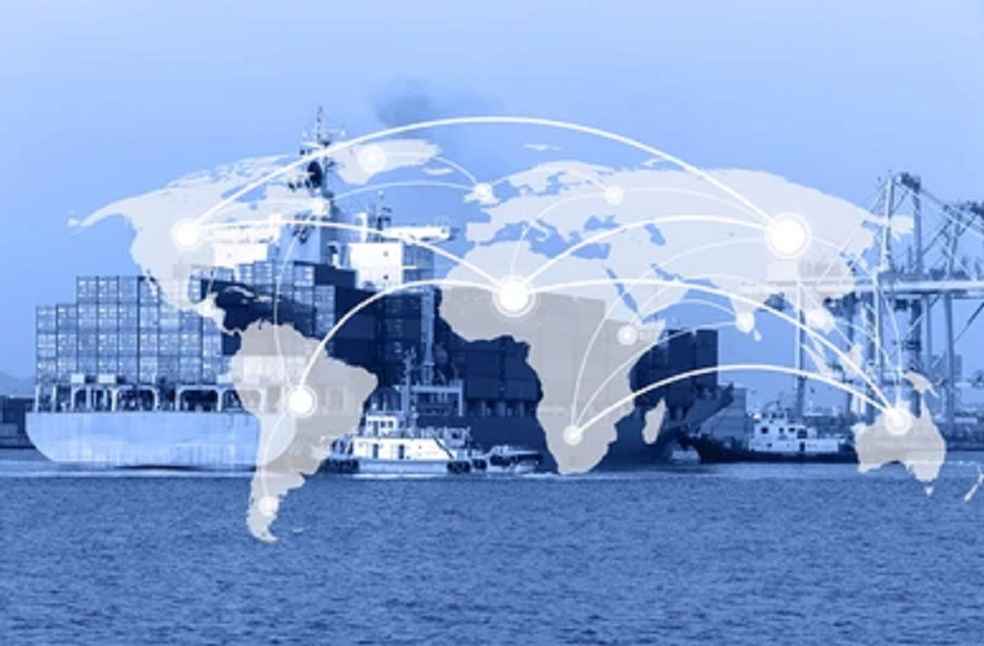
Officials say such cooperation could allow companies to move components and finished products more efficiently through integrated supply chains using a system known as cumulation, which can reduce tariffs within linked trade frameworks.
Canada has taken an active diplomatic role in advancing the proposal. Earlier this month, John Hannaford, a senior Canadian representative to the EU, travelled to Singapore to consult regional partners and gather feedback. A Canadian government official described the discussions as productive and said momentum was building, though negotiations remain at an exploratory stage.
Interest in deeper ties between the two blocs gained momentum last November, when EU and CPTPP members agreed to examine options for strengthening economic cooperation and improving supply chain resilience.
Japanese officials have signalled support for expanding links, while diplomats from other CPTPP countries have also expressed interest, although any formal arrangement is expected to take time to develop.
Within Europe, enthusiasm varies. Some EU officials are said to be strongly supportive of a cumulation framework, while others note that it is not yet among the bloc’s immediate priorities, which currently focus on practical steps to diversify trade and strengthen supply chains.
European business groups, including the German Chamber of Commerce and the British Chambers of Commerce, have backed closer integration, pointing to existing free trade agreements between the EU and several CPTPP members as a foundation for deeper cooperation.
If realized, the initiative could reshape trade flows by connecting dozens of economies across Europe and the Indo-Pacific, reflecting a broader shift toward new alliances as countries seek greater stability in an increasingly fragmented global trading environment.
TEXTILE & APPAREL | India’s Textile and Apparel Exports Decline in January