


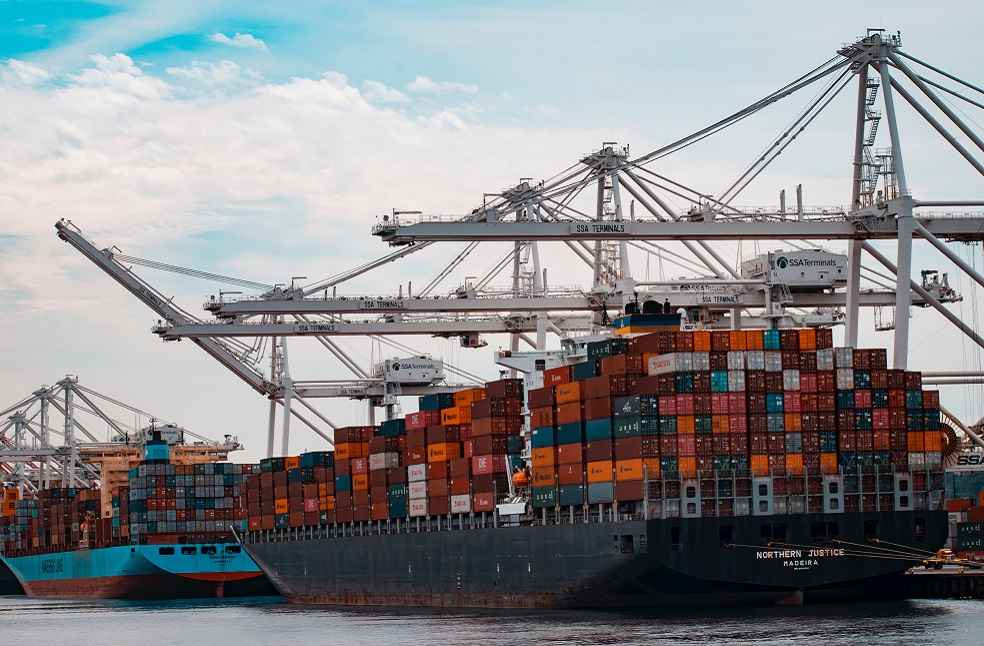
China has revealed that it will grant zero-tariff access to imports from 53 African countries to deepen trade and economic ties.
According to state media, Chinese President Xi Jinping declared that China will eliminate tariffs on imports from nearly all African countries starting May 1 to elevate trade ties between Beijing and the continent.
For 33 African least developed countries (LDCs), China had granted zero-tariff treatment on 97% to 98% of tariff lines before expanding coverage in 2024 to include all products originating from these LDCs. Under the expanded framework, zero tariffs will now apply to nearly all African nations except Eswatini, which recognizes Taiwan diplomatically.
The decision comes amid ongoing uncertainty over the renewal of the United States’ African Growth and Opportunity Act (AGOA) and persistent trade tensions between African countries and the European Union regarding Economic Partnership Agreements.

The decision reflects ongoing diplomatic efforts by African leaders. South African President Cyril Ramaphosa recently visited China to promote trade talks. During a Joint Economic and Trade Commission meeting, South Africa’s Minister of Trade, Industry, and Competition, Parks Tau, and China’s Minister of Commerce, Wang Wentao, signed a non-binding framework agreement, making South Africa the 33rd African country to formalize such an arrangement.
Negotiations on an Early Harvest Agreement are expected to conclude by March 2026, which would grant South African exports duty-free access to the Chinese market.
According to China’s General Administration of Customs, trade between China and Africa totaled $222.05 billion from January to August 2025, a 15.4% increase year-on-year. Chinese exports to Africa jumped 24.7% to $140.79 billion, while imports from the continent rose only 2.3% to $81.25 billion.
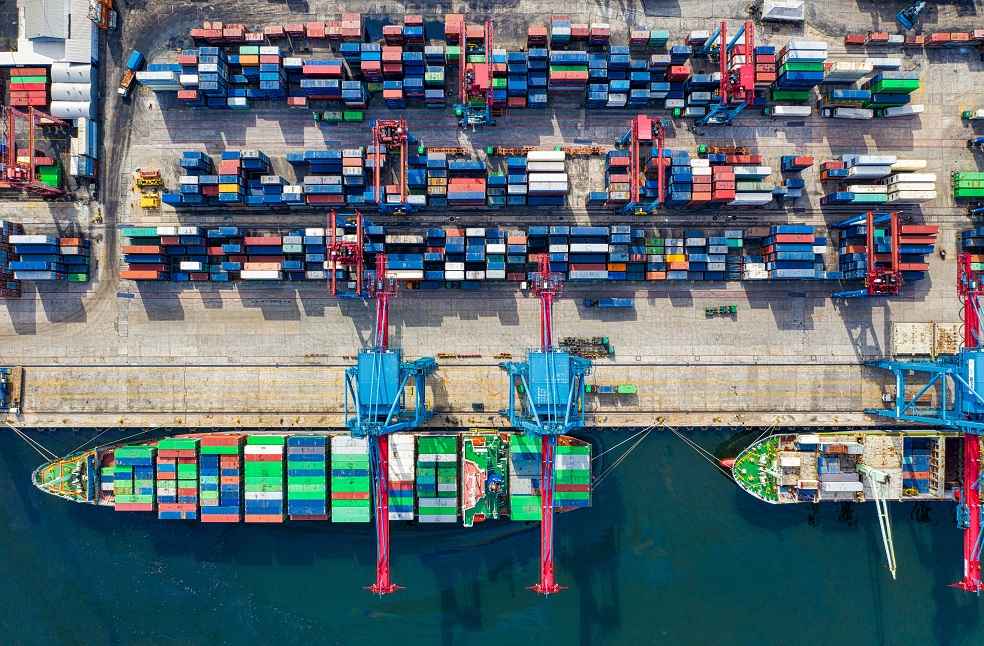
The move sets China apart from Western trade programs, as the EU’s “Everything But Arms” only grants duty-free access to LDCs, and the US AGOA offers selective, renewal-dependent benefits.
Analysts caution that tariff removal alone will not overcome structural hurdles. Non‑tariff barriers such as regulatory standards, logistics, and financing continue to constrain African exporters. Beijing has pledged additional support through trade facilitation measures, funds, and financial products.
Ultimately, narrowing the trade gap will depend on African economies diversifying beyond commodities and building competitive manufacturing capacity.
ORGANIZATIONS NEWS | WTO Warns China’s Record Trade Surplus Is Unsustainable