


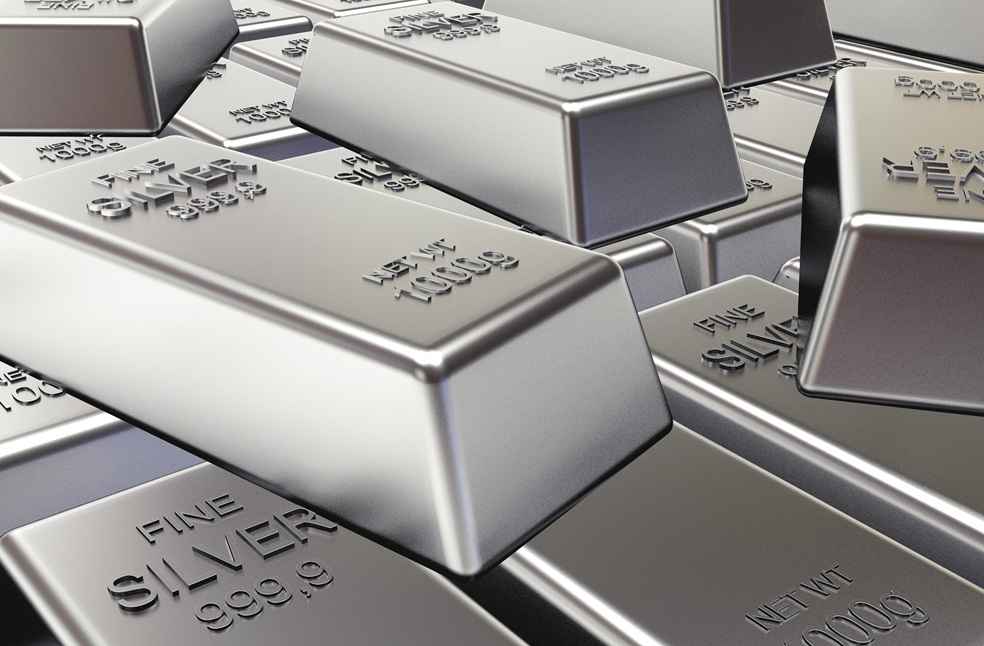
Silver is no longer behaving like a traditional precious metal. What began as a post-pandemic recovery has evolved into a technology-driven supply-demand imbalance that is reshaping industrial supply chains, trade flows, and investment risk.
Following a dramatic 140-160 percent rally in 2025, silver entered 2026 under intense scrutiny. Industrial demand is accelerating, physical inventories are shrinking, and governments are beginning to treat silver less as a commodity and more as a strategic resource.
The world now faces two linked questions. Will the silver boom continue, and has technology already taken control of the market?
Not a Temporary Rally; A Structural Shift
The silver boom is being driven by structural demand, not speculation alone. Industrial use now accounts for nearly two-thirds of global consumption, effectively redefining silver as an industrial metal rather than a monetary hedge.
Solar energy, electric vehicles, AI infrastructure, data centres, and 5G networks are the core drivers. Solar applications alone consumed approximately 243.7 million ounces of silver in 2024, and demand continues to rise despite aggressive efforts to reduce silver content per unit.

Silver’s unmatched electrical conductivity makes it essential for high-performance power transmission and computing. As AI workloads expand and energy systems electrify, silver has become deeply embedded in the global technology stack.
In practical terms, technology has already become the primary force shaping silver demand.
Can the Silver Boom Continue Into 2026?
The global push toward renewable energy, electrification, and artificial intelligence is not cyclical. It is long-term. Even as manufacturers seek to reduce silver use through efficiency gains, the sheer scale of solar installations and EV production continues to drive overall demand.
A Persistent Supply Deficit
Silver has now recorded its fifth consecutive annual supply deficit through 2025. Physical inventories are tightening rapidly. Vault holdings in London fell by roughly one-third by March 2025, while stocks in other global hubs have also approached multi-year lows.
Unlike many commodities, the silver supply cannot easily respond to price signals. Most silver is produced as a by-product of copper, zinc, or gold mining. Even at elevated prices, miners cannot rapidly expand output, and new silver projects typically require more than a decade to reach production.
2026: Stabilisation, Not Reversal
After the extraordinary gains of 2025, 2026 is expected to bring more moderate, but still positive, price movement. High prices may encourage investor profit-taking and industrial “thrifting,” but they do not resolve the underlying supply constraints. Long-term fundamentals remain supportive, a view consistently reinforced by industry research from The Silver Institute.
Who Controls Global Silver Supply
Mexico remains the world’s largest silver producer, generating approximately 6,300 metric tons in 2024, nearly double the output of the next largest producer. China follows with around 3,300 metric tons, closely trailed by Peru at roughly 3,200 metric tons.

Other major producers include Bolivia, Poland, Chile, Russia, the United States, and Australia. In many of these countries, silver output is tied to base-metal mining rather than dedicated silver operations, making global supply vulnerable to unrelated economic and geopolitical factors.
Silver’s Price Transformation Since 2020
The scale of silver’s revaluation over the past six years reflects this structural shift. In India, silver averaged around ₹63,435 per kilogram in 2020. By early February 2026, prices were trading near ₹3,00,000 per kilogram, up approximately 350–370 percent.
Globally, silver opened 2020 at around $17.87 per ounce and was trading at around $81.71 per ounce in February 2026. That equates to roughly 184 percent growth on a five-year rolling return basis.
Differences between domestic and global returns reflect currency movements, taxes, and local demand dynamics, but the upward trajectory is unmistakable.
The Hidden Dangers in the Silver Market
Global inventories in London and Shanghai have fallen toward critical levels, in some cases touching decade-long lows. This creates a growing disconnect between paper markets and physical availability. Export controls and licensing requirements, including new measures expected from China starting in 2026, pose a risk of sudden disruptions to global supply chains.
Extreme Volatility and Financial Risk
Silver remains one of the most volatile major commodities. It often acts as a leveraged proxy for risk appetite, rising rapidly during rallies and falling sharply during corrections.
A key danger lies in the imbalance between paper contracts and the metal deliverable. If physical delivery fails during market stress, confidence in futures markets could fracture, triggering violent price spikes followed by equally sharp collapses. Margin hikes by exchanges such as the CME can exacerbate these moves by forcing rapid liquidation.
Industrial and Economic Sensitivity
High silver prices encourage manufacturers to reduce usage per unit or substitute with cheaper alternatives, such as copper, where possible. While substitution has technical limits, prolonged price pressure could slow long-term demand growth.
Silver’s industrial exposure also makes it vulnerable to global economic slowdowns. Unlike gold, silver can fall even during periods of broader uncertainty if industrial activity weakens.
Investment and Operational Risks
Physical silver is bulky and costly to store, with insurance and logistics reducing net returns. Exchange-traded funds and digital platforms introduce counterparty and liquidity risk during periods of regulatory or market stress. Silver also yields nothing, making returns entirely dependent on price movements.
Environmental and Ecological Constraints
Silver mining is water-intensive and often concentrated in regions already facing scarcity. Processing can generate toxic by-products, and ionic silver is highly toxic to aquatic ecosystems. Rising environmental scrutiny may further constrain future supply growth.
The Trade Reality

Silver is no longer a peripheral asset. It sits at the intersection of technology, energy transition, geopolitics, and industrial policy.
While 2026 may bring price stabilisation after the explosive gains of 2025, the long-term outlook remains structurally positive. The greater risk is not a collapse in relevance, but a collision between rising technological dependence, constrained supply, and market instability.
In the modern global economy, silver is no longer just a metal. It is a strategic pressure point.
MOST READ | India, EU Conclude Historic Free Trade Deal Covering 2 Billion People
