


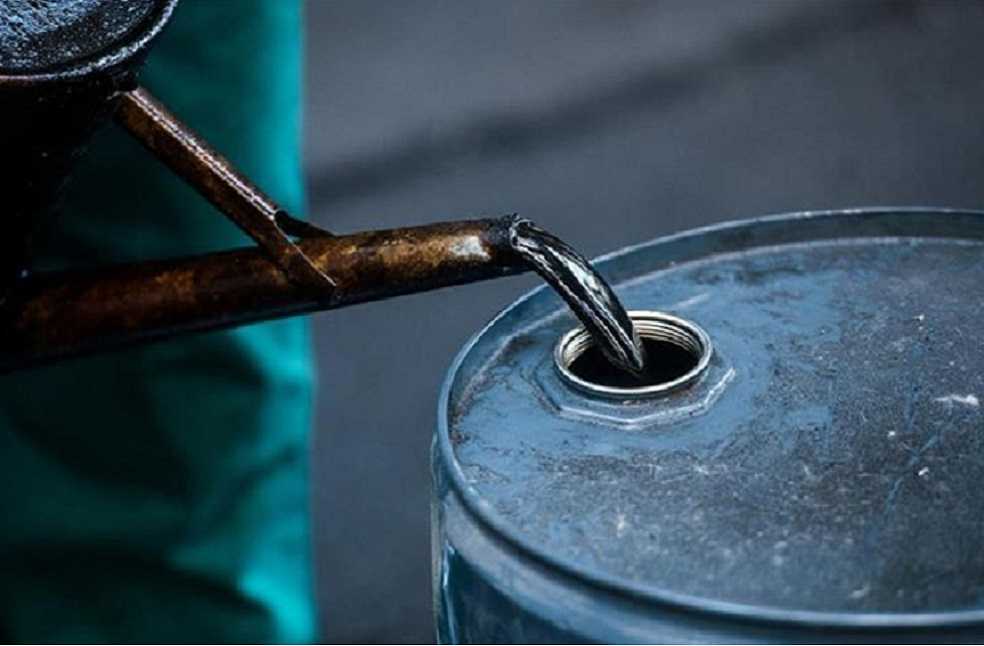
Brazil’s trade surplus in 2025 became increasingly dependent on crude oil and petroleum products, with the surplus generated by these items reaching a record $29.6 billion, according to official trade indicators.
This marked a rise from the previous high of $28.2 billion in 2024 and accounted for 43.3% of Brazil’s total trade surplus of $68.3 billion, up from 38% a year earlier.
The data come from the Indicator of Foreign Trade compiled by the Brazilian Institute of Economics at Fundação Getulio Vargas, based on figures from the Secretariat of Foreign Trade.
Lia Valls, a professor at the State University of Rio de Janeiro and an associate researcher at FGV, said the expansion of crude oil exports has been the main driver of the growing surplus in oil and byproducts.
Valls noted that export volumes have offset weaker prices. According to official data, the average price of crude oil exports fell 9.8% in 2025 compared with the previous year, while export volumes increased by 10.7%.
Compared with 2016, when Brazil’s oil and petroleum products balance turned positive following the ramp-up of pre-salt production, export volumes have risen by nearly 150%.

Brazil’s oil and gas output also reached new highs. The National Petroleum Agency reported average oil production of 3.77 million barrels per day in 2025, the highest level on record.
Natural gas output averaged 179 million cubic meters per day. Combined oil and gas production rose 12.7% from the previous peak in 2023 and 13.3% from 2024.
Despite stronger crude exports, the trade balance for refined petroleum products remained negative. In 2025, the deficit in refined products totalled $8.5 billion, similar to levels seen in 2023 and 2024.
José Augusto de Castro, president of the Brazilian Foreign Trade Association, said Brazil’s status as a net exporter of crude oil was positive but highlighted the lack of value addition. He said refining capacity has not expanded enough to increase the output of higher-value petroleum products.
Welber Barral, a partner at BMJ and a former foreign trade secretary, said the refining gap is particularly significant given Brazil’s reliance on road transport.
Data from the National Transportation Confederation shows that road transport accounts for 65% of cargo movement and 95% of passenger transport in the country.
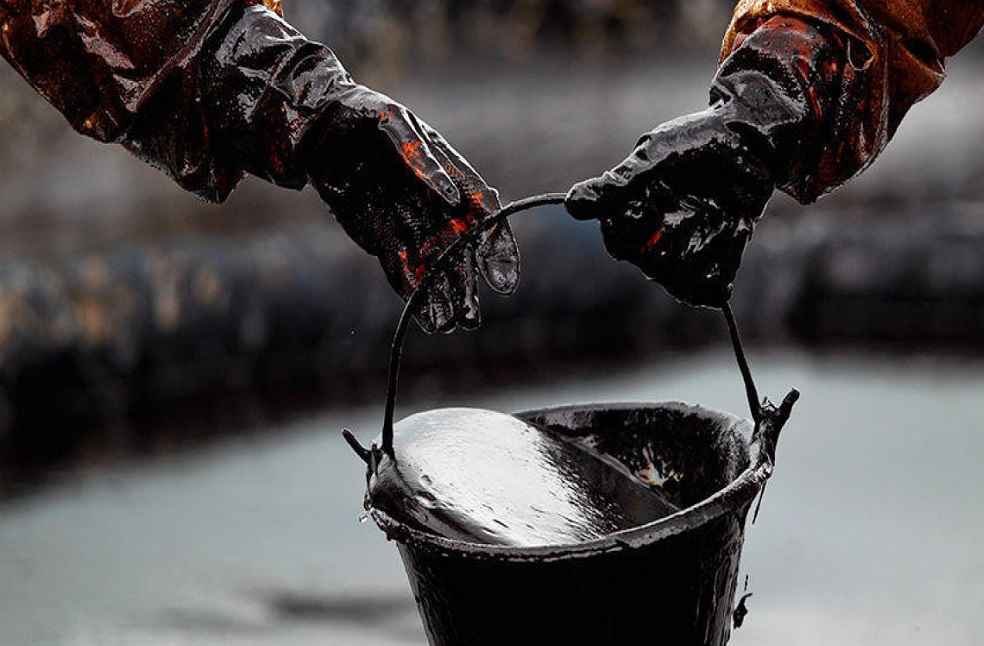
Imports of petroleum products increased in 2025, according to ANP and Secex data. Imports of gasoline A rose 27.6% from 2024, while diesel A imports increased 19.4%.
Overall, petroleum product import volumes grew 11% year on year, while prices fell 8.2%, helping to limit the size of the refined product trade deficit.
Crude oil production is expected to continue rising into the early part of the next decade, with potential exploration in Brazil’s Equatorial Margin possibly extending that trend.
Valls said the government argues that revenues from new production areas could help fund the energy transition, although the allocation of such resources remains unclear.
Valls also stressed that the trade data highlight the need to diversify Brazil’s export basket. Castro echoed this concern, saying oil exports reinforce the low-value-added profile of Brazilian trade, drawing parallels with soybeans.
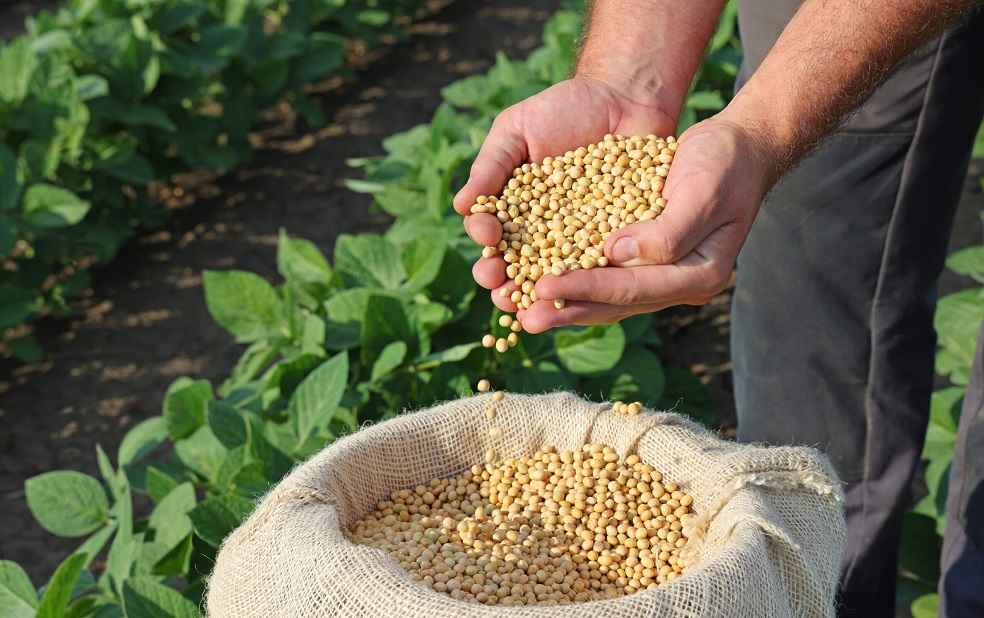
Soy output reached a record in 2025, boosting shipments, but exports have increasingly favored raw beans over processed products. The share of raw soybeans in Brazil’s soybean export basket rose from 76% in 2016 to 82.3% in 2025, while soybean meal and crude oil declined.
In 2025, crude oil was Brazil’s top export, accounting for 12.8% of total export value, followed closely by soybeans at 12.5%. Together, the two commodities represented 25.3% of Brazil’s exports.
Barral warned that this concentration exposes the country to global price shocks, while Castro pointed to the volatility of oil prices, which are sensitive to geopolitical events and decisions by OPEC+.
The export concentration has also increased Brazil’s dependence on China. In 2025, China absorbed 45% of Brazilian crude oil exports and 79.3% of soybean shipments.
The United States was the second-largest buyer of Brazilian crude, accounting for 10.6%. Castro said diversifying export markets has become even more critical amid shifting geopolitical dynamics.
He further noted that developments such as potential U.S. intervention in Venezuela could affect Brazilian oil exports over the medium to long term.