


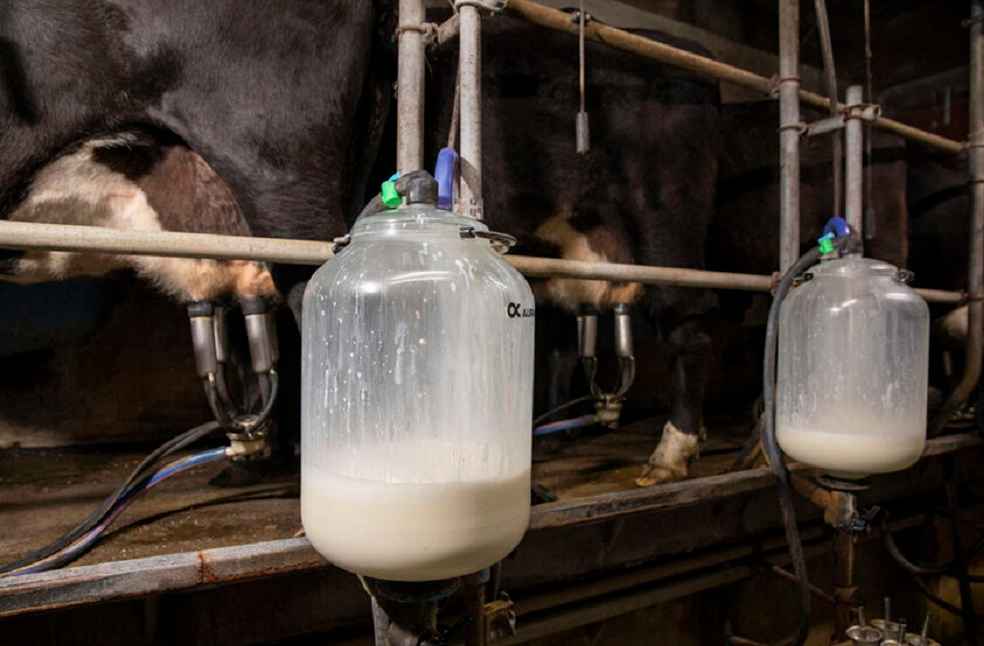
Turkey has introduced tighter import procedures for selected animal-derived food products as part of efforts to align its regulatory framework with European Union standards on food safety, plant health, and animal welfare, according to Thailand’s Department of Foreign Trade.
Arada Fuangtong, Director-General of the Department of Foreign Trade, said the Republic of Turkey, through its Directorate General of Food and Control under the Ministry of Agriculture and Forestry, has increased import procedures for food products of animal origin or derived from certain animals.
The measures apply to dairy products, seafood, fish, gelatin, and collagen intended for human consumption. The revised procedures are in line with the EU’s Veterinary Services, Plant Health, Food and Feed Law No. 5996, which governs food safety, animal feed, plant health, and animal breeding standards.
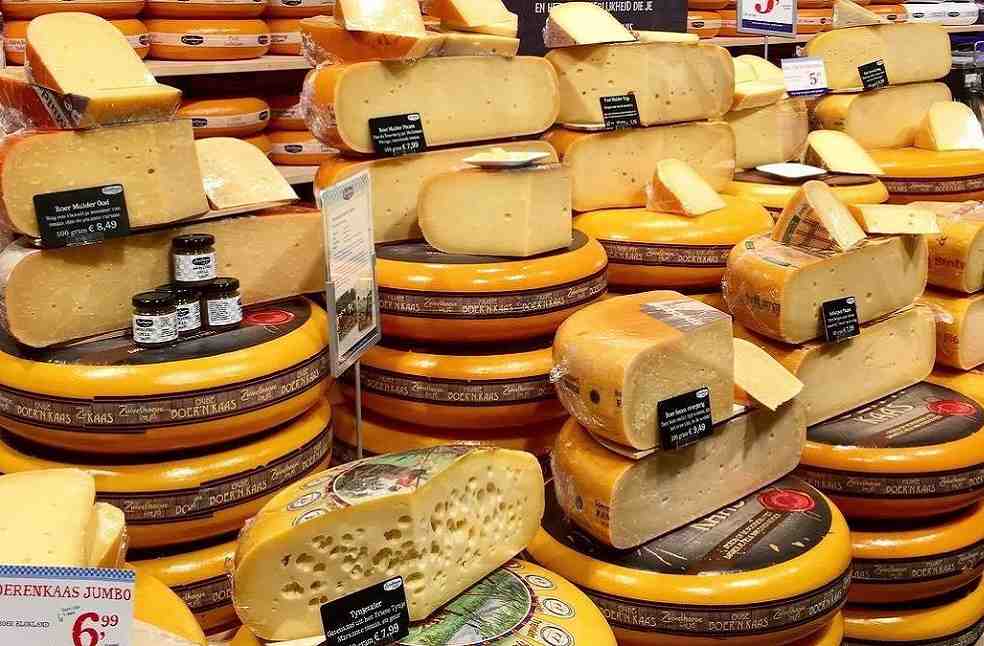
Under the new rules, exporters seeking access to the Turkish market must meet specific authorization requirements. Businesses based in EU member states must be registered and approved through the EU’s TRACE NT system, while non-EU exporters must receive authorization directly from the Turkish Ministry of Agriculture and Forestry.
Thai exporters planning to ship affected products to Turkey have been advised to coordinate with the relevant Thai authorities responsible for each product category.
For seafood exports, companies should contact the Department of Fisheries, which will work with Turkey’s Directorate General of Food and Control to secure exporter approval. Once authorized, exporters can verify their status through Turkey’s Approved Establishment System.
Trade data for January to November 2026 show that Thailand’s total exports to Turkey were valued at 40.61 billion baht, with major shipments including motor vehicles, air-conditioning units, and rubber products.

Exports of animal-derived products such as dairy, seafood, gelatin, and collagen amounted to 498.68 million baht, accounting for 1.23% of Thailand’s total exports to Turkey. These shipments mainly comprised preserved or processed fish, caviar, and related substitutes.
Arada said the additional import steps are unlikely to have a significant impact on Thai exporters, given the relatively small export volume of these products to Turkey. She cautioned businesses to closely monitor regulatory updates and compliance requirements to avoid potential disruptions.
The Department of Foreign Trade said it will continue to track similar regulatory developments in other markets and provide timely information to help Thai businesses prepare for changes in trade policies with partner countries.
POLICY & LAW | U.S. Seeks to Form Critical Minerals Trading Bloc with Allies