


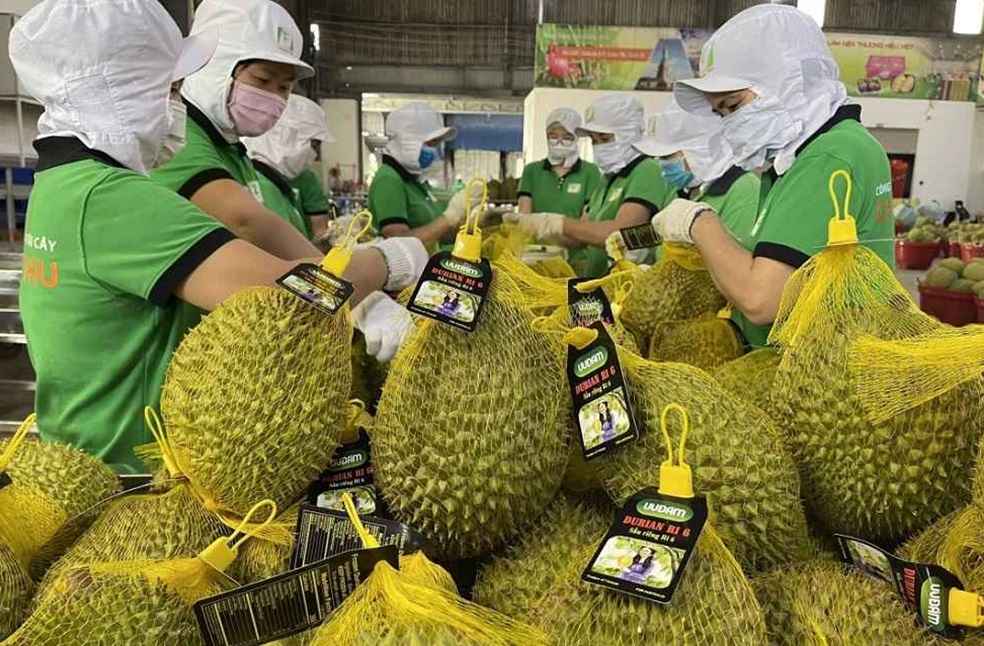
The Vietnamese Ministry of Agriculture and Environment has urged swift revisions and temporary guidelines on food safety inspections for imported goods, following the sudden enforcement of a new decree that led to significant delays and congestion of farm produce at borders.
In a report submitted to Prime Minister Phạm Minh Chính and Deputy Prime Minister Lê Thành Long on Sunday, the ministry stated that the new food safety inspection regulations under Decree 46/2026/NĐ-CP had caused approximately 300,000 tons of goods to be stranded at land, sea, and air checkpoints.
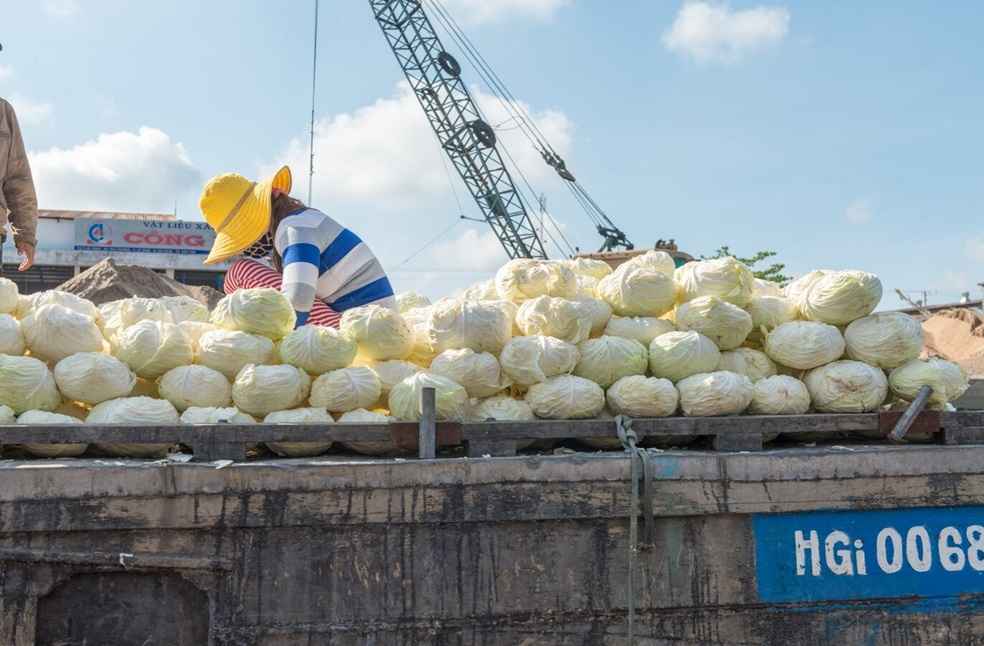
The backlog primarily affected vegetables, fruits, rice, cassava, and processed food products.
Decree 46, which came into effect on January 26, replaces Decree 15/2018/NĐ-CP and introduces stricter food safety regulations.
According to Article 25, imported food shipments that typically undergo routine inspection must now be subject to document verification, physical checks, and laboratory testing for safety and quality standards.
The ministry also highlighted the absence of clear guidance on how inspectors should choose testing indicators from the food safety criteria outlined in dossiers under Article 21, leaving border authorities without a legal framework to decide which indicators to test and in what quantity.
It also pointed to a new stipulation in Article 24 requiring importers of fresh agricultural products to provide a ‘Product Standard’ document. Since no template or mandatory content has been issued, this has made dossier evaluations more complicated.
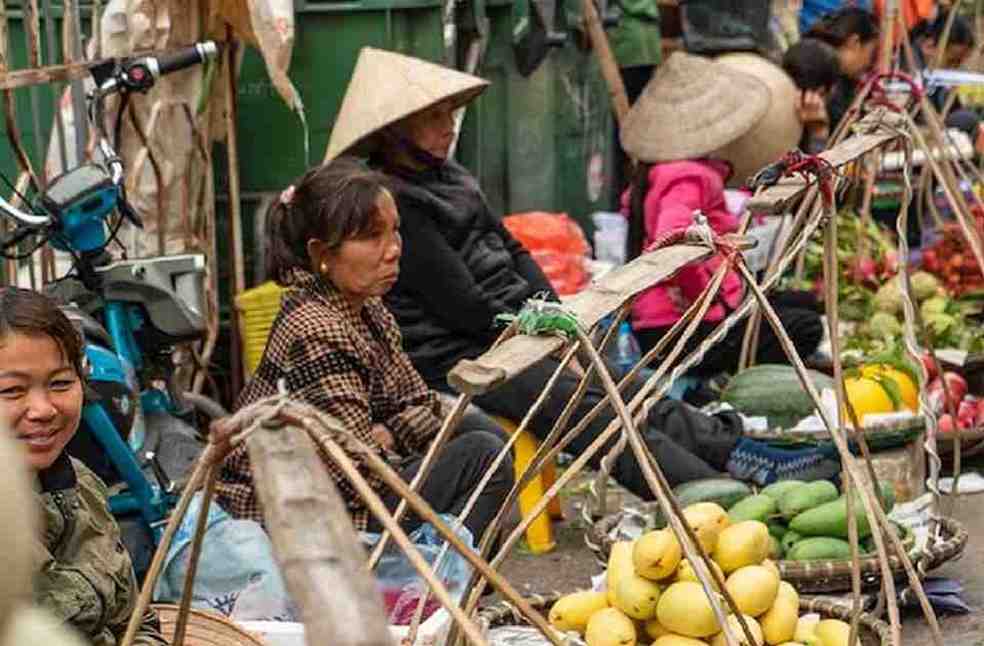
Although the ministry backs stronger safety regulations, it emphasized that the rapid implementation of Decree 46 has created logistical difficulties. Importantly, the decree also prevents businesses from moving goods to their own storage sites while awaiting food safety test results.
The Department of Crop Production and Plant Protection has also sent a memo to the Food Safety Department of the Ministry of Health, which drafted Decree 46, detailing practical challenges encountered in implementation.
To improve enforcement, the ministry is exploring the option of assigning food safety inspections to provincial authorities, enabling more flexible management at the local level.
BUSINESS GENERAL | Nigeria Seeks Global Cocoa Revival With Trade and Climate Strategy