


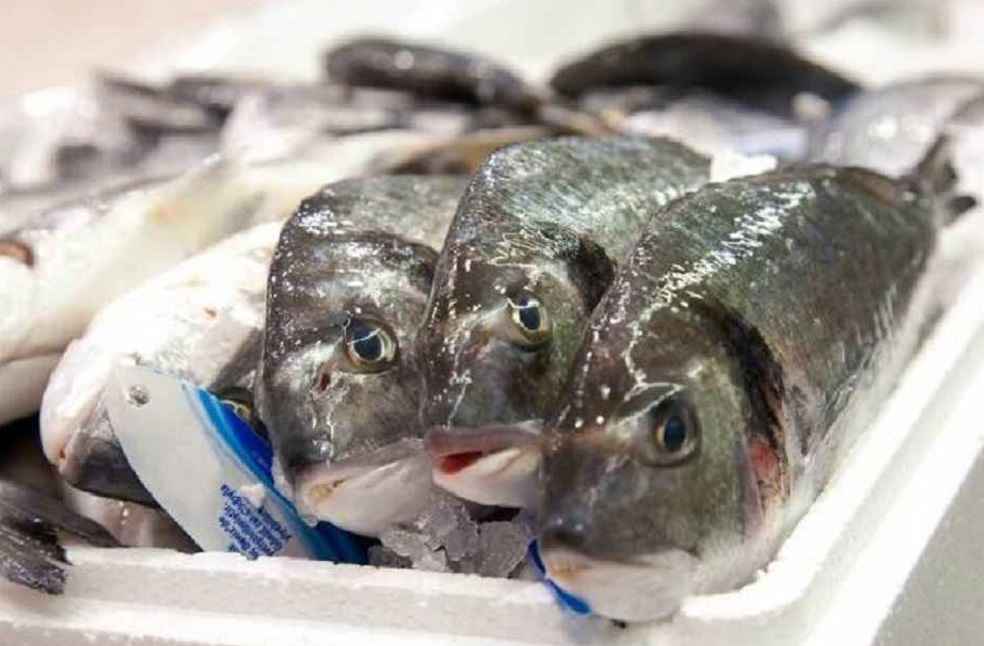
Indonesia’s Ministry of Marine Affairs and Fisheries (KKP) declared that 40 additional fish processing units (UPIs) have received export approval numbers from the General Administration of Customs of China (GACC) to ship fishery products to the country.
The ministry’s Head of the Marine and Fisheries Product Quality Control and Supervision Agency, Ishartini, said on Saturday that Indonesia has entered into a bilateral mutual recognition arrangement (MRA) on the equivalency of fishery product quality assurance systems.
Ishartini said the agreement formed the foundation for negotiations, paving the way for Chinese authorities to grant approval for the newly proposed UPI numbers.
“This marks a fresh boost for Indonesia’s fisheries sector and opens opportunities to diversify export products, particularly ahead of the 2026 Chinese New Year,” she added.
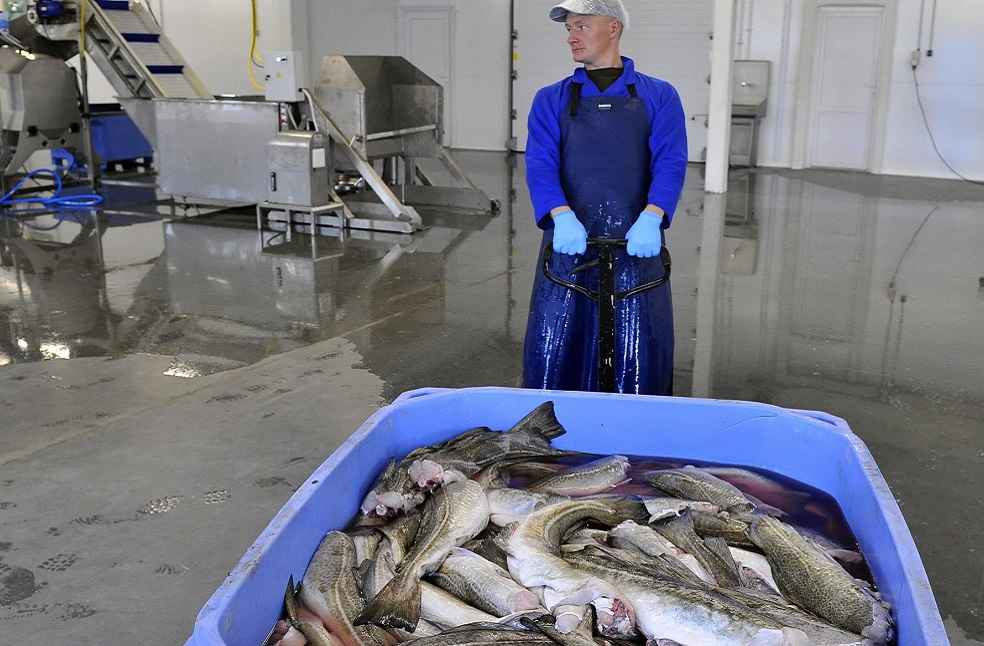
Ishartini explained that, under the MRA framework, the KKP Quality Agency collaborated with the GACC to complete a series of technical and administrative procedures to secure the approval numbers. These steps involved reciprocal registration, joint pre-border inspections, coordinated consultations on corrective actions, and submission of documents via the GACC system, with the KKP Quality Agency serving as the competent authority.
Indonesia currently exports 1,080 different fishery products to China. In 2025, total exports reached 491,528 tons, valued at $1.04 billion. Key exports include frozen squid, Eucheuma cottonii seaweed, Gracilaria seaweed, frozen ribbon fish, and processed Eucheuma cottonii.
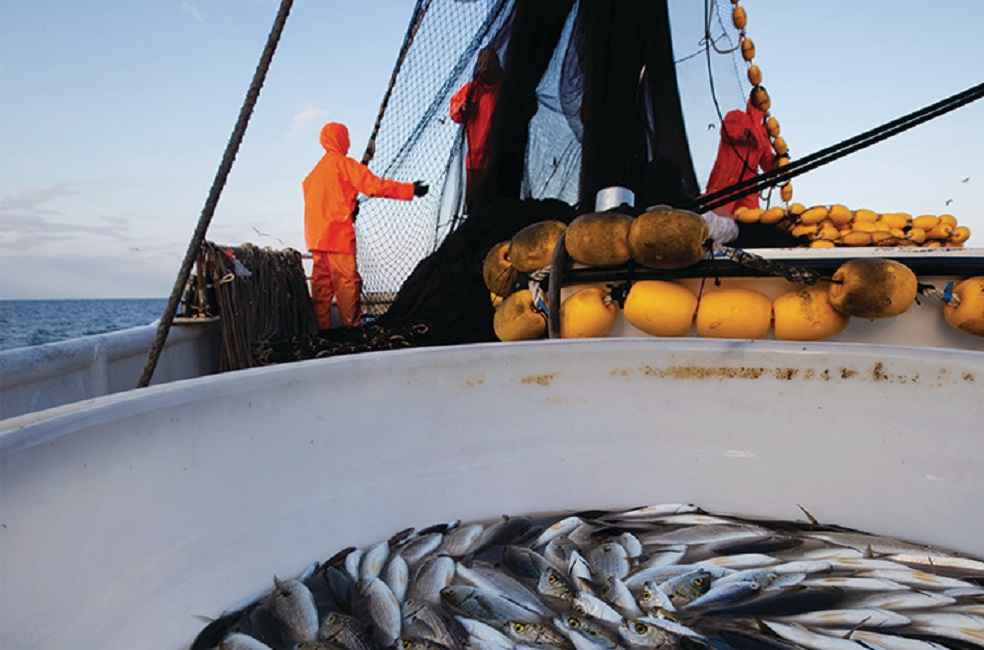
Ishartini further called on businesses and stakeholders holding export permits to maintain strict adherence to sanitation, hygiene, and food safety standards.
Previously, KKP Minister Sakti Wahyu Trenggono highlighted that ensuring quality across every stage of the upstream-to-downstream production chain is essential for preserving product standards and enhancing the competitiveness of Indonesia’s fisheries sector.
ENERGY INDUSTRY | U.S. Urges India to Resume Venezuelan Crude Imports Amid Russian Cuts