


The Foreign Trade Chamber of Bosnia and Herzegovina has urged national authorities to file a formal complaint with Serbia and the joint committee of the Central European Free Trade Agreement over Serbia’s newly introduced quotas on steel imports, according to a report by N1.
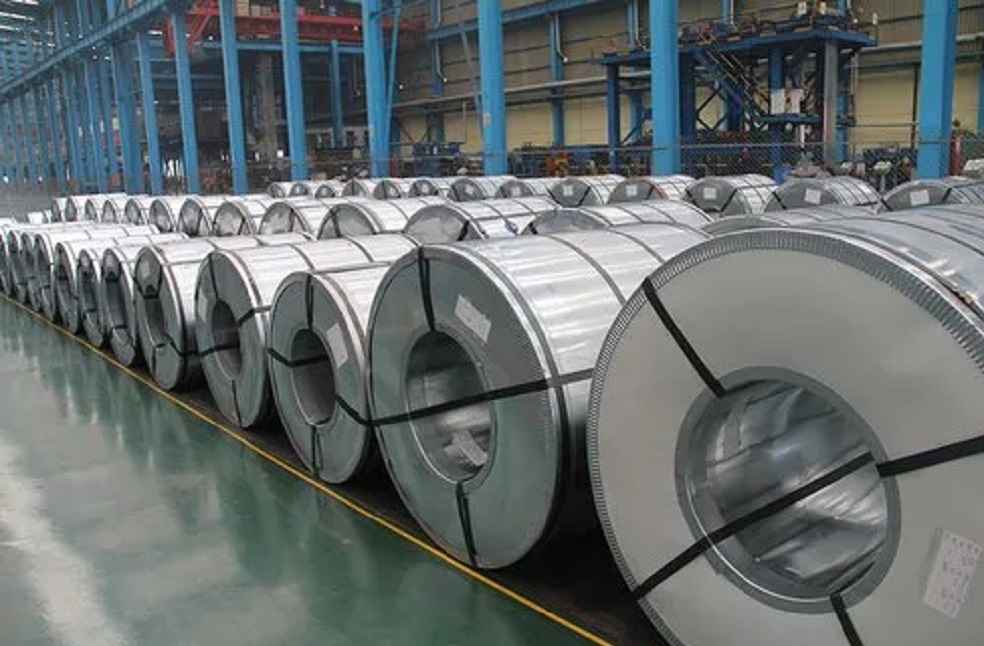
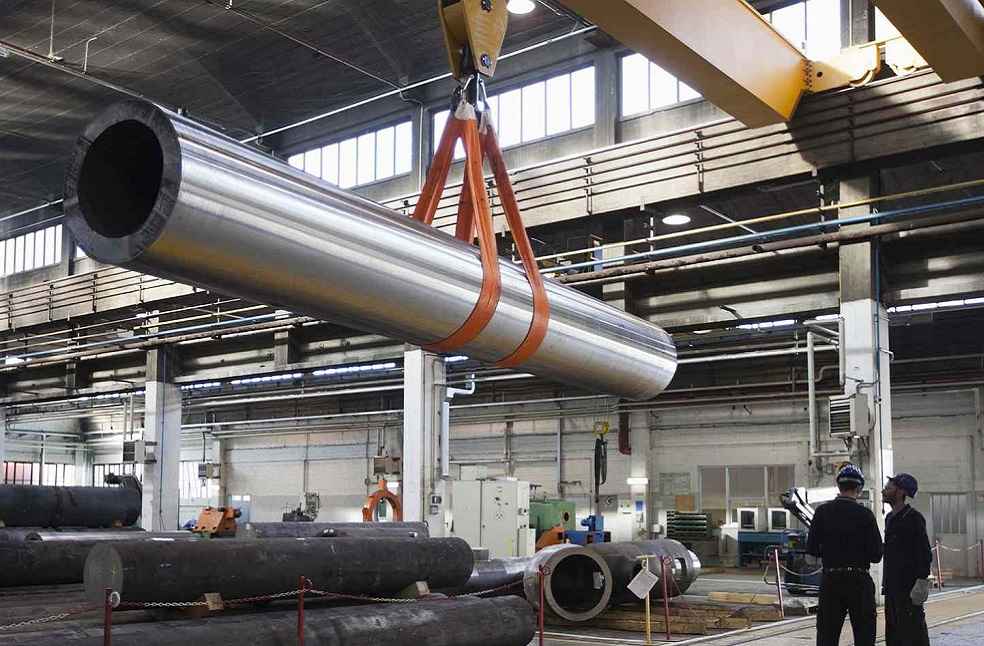
The Chamber said the measures are affecting Bosnian exports of ribbed reinforcing steel for concrete, hot-rolled wire in coils, and ribbed reinforcing bars. It argued that the quota levels do not reflect actual trade flows or current market conditions.
According to the Chamber, Serbia calculated the quotas using trade data from 2020 to 2024, while Bosnian export figures show that shipments in the first quarter of 2025 alone have already exceeded the newly imposed quarterly limits. The organization said the methodology failed to account for total trade volumes, regional distribution patterns, and the actual market share held by producers from Bosnia and Herzegovina.
The Chamber also warned that introducing the restrictions toward the end of the business cycle disrupts long-term commercial contracts between companies and undermines the principles of duty-free trade set out under the CEFTA framework.
Exporters have reported operational disruptions at border crossings, where additional quota-monitoring procedures by Serbian customs authorities have led to longer waiting times for trucks. The delays have resulted in financial losses, including penalties linked to late deliveries, the Chamber said.
Serbia introduced a six-month quota regime on certain imports under a government decree that came into force on January 1, 2026. The temporary measures apply to selected ferrous metallurgy products as well as Portland cement and are intended to support market stability in strategic sectors. Shipments exceeding the quota limits are subject to an additional duty of 50%.
REAL ESTATE | China’s Real Estate Sector Under Strain as Sales and Prices Slide