


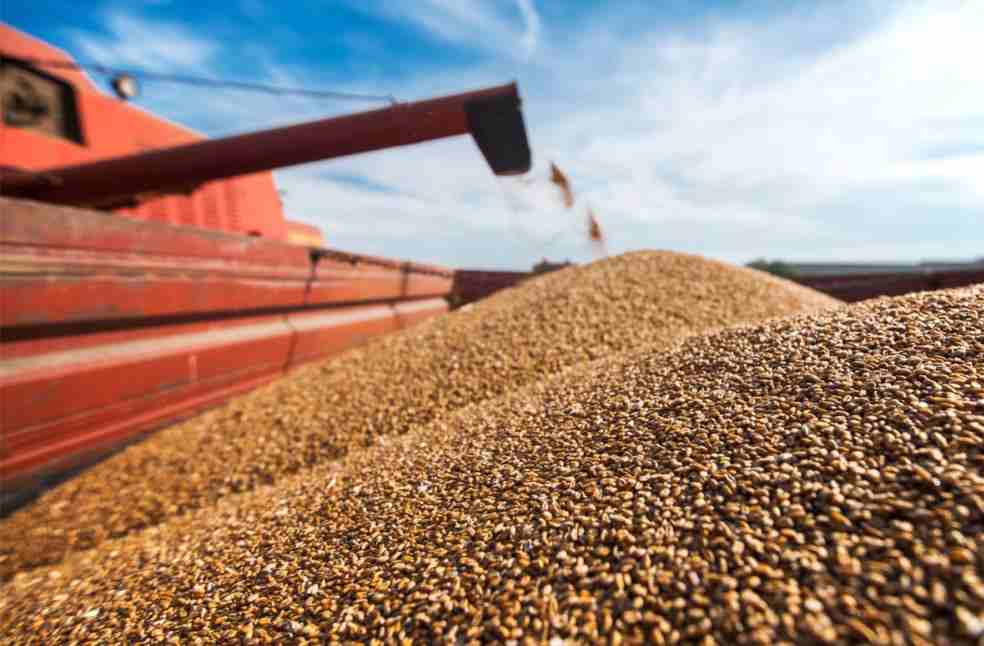
India has authorized the export of up to 500,000 tons of wheat flour and related products, partially easing restrictions imposed in 2022, according to a government notification issued by the Directorate General of Foreign Trade.
“The export of wheat flour and related products shall continue to remain prohibited. However, export to the extent of 5 LMT (lakh metric tons) of wheat flour and related products, over and above the existing policy conditions, is allowed,” the Directorate General of Foreign Trade (DGFT) stated in a notification on Friday.
This policy shift, following a three-year pause, will now allow flour mills, merchant exporters, and special economic zones to seek export approvals beginning in 2026. The partial easing is intended to revive the export sector after a ban in 2022.

In November 2025, the food ministry forwarded an industry request to the DGFT seeking approval for the export of wheat products such as atta, sooji, and maida, with a proposed initial cap of 10 lakh tons. The Roller Flour Millers’ Federation of India had urged the ministry to grant export permissions, citing the current domestic surplus and a strong production outlook.
While wheat exports have remained banned since May 2022, restrictions on shipments of wheat products were imposed in October 2022 and continue to be in effect.
The DGFT stated that exports would be permissible beyond the existing policy limits. Interested exporters must submit applications for permission between January 21 and January 31. Export approvals will remain valid for six months from the date of issuance.
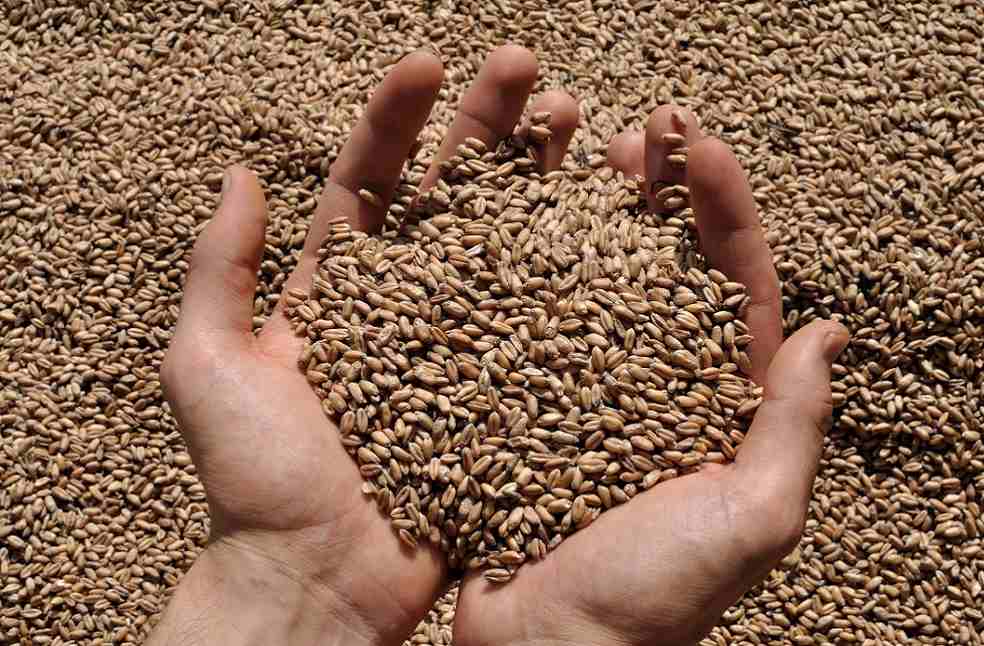
India’s wheat output in 2024–25 reached a record 117.54 million tons, with the government setting a production target of 119 million tons for 2025–26. Data from the agriculture ministry show that wheat sowing is nearly complete, covering 334.17 lakh hectares as of January 9, compared with 328.04 lakh hectares during the entire 2024–25 Rabi season.
The government procured 30 million tons from the 2024–25 harvest, the highest in four years, and the ban on wheat and wheat products has largely helped stabilize prices, apart from a brief spike.
TRADE WORLD | Indonesia and UK Launch Economic Growth Partnership to Boost Ties