


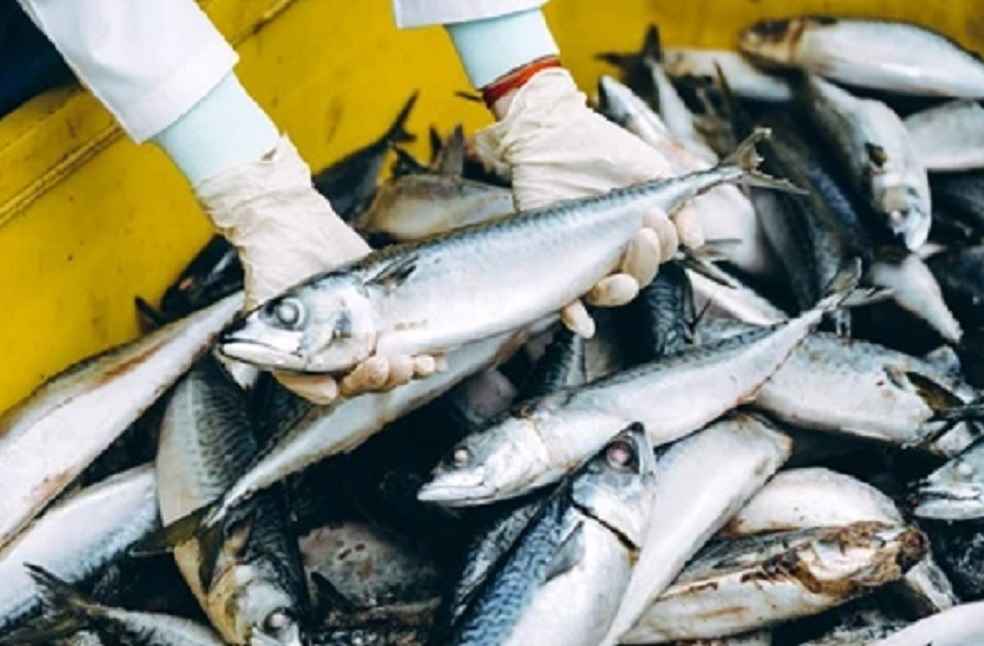
The EU has launched a new digital certification system for seafood imports, strengthening traceability rules for fishery products entering the bloc and urging exporting nations to upgrade their own export frameworks.
The digital certification system for fishery products entering the European Union took effect on 10 January, replacing the former paper-based verification process.
The European Commission declared on Monday that the new system, called CATCH, is designed to standardize seafood import inspections across the EU by simplifying coordination between traders and regulatory bodies.
The system aims to ensure compliance with EU regulations by ensuring that imported fishery products are legally sourced and adhere to established standards.

CATCH is part of the EU’s broader Ocean Pact initiative, which focuses on safeguarding marine ecosystems, promoting the ‘blue economy’—ocean- and coast-based industries—and supporting coastal communities.
According to the European Commission, CATCH seeks to curb illegal, unreported, and unregulated (IUU) fishing practices that diminish global fish stocks and endanger marine ecosystems.
Around 70% of the seafood consumed in Europe is imported, and 80% of these shipments fall under regulations aimed at preventing IUU.
Through CATCH, the EU intends to strengthen oversight and improve traceability for most seafood imports, lowering the chances of illegally caught products entering the market.

The European Commission noted that the system will facilitate quicker data exchange and verification between authorities and industry operators, accelerating administrative tasks while easing paperwork for businesses.
According to the Commission’s latest statement, CATCH will be rolled out gradually across the EU and is expected to improve the consistent enforcement of fisheries regulations as more data is gathered over time.
TRADE WORLD | China’s Goods Trade Hits Record High Despite U.S. Tariffs

