



The Philippines officially reentered the global rice market on January 1, following the end of its four-month import ban that started last September.
However, rice imports will remain subject to a 15% tariff, while the government continues to formalize a proposed increase to 20%.
The Philippines Bureau of Plant Industry (BPI) director, Gerald Glenn Panganiban, recently released the rules for resuming rice imports.
According to the guidelines, imported rice may only enter the country through 17 designated ports: Subic, Batangas, Manila International Container Port, Port of Manila, Cebu, Cagayan de Oro, Iligan, Davao, General Santos, Tacloban, Tabaco in Albay, Zamboanga, Bacolod, Iloilo, Tagbilaran, Dumaguete, and Calbayog.
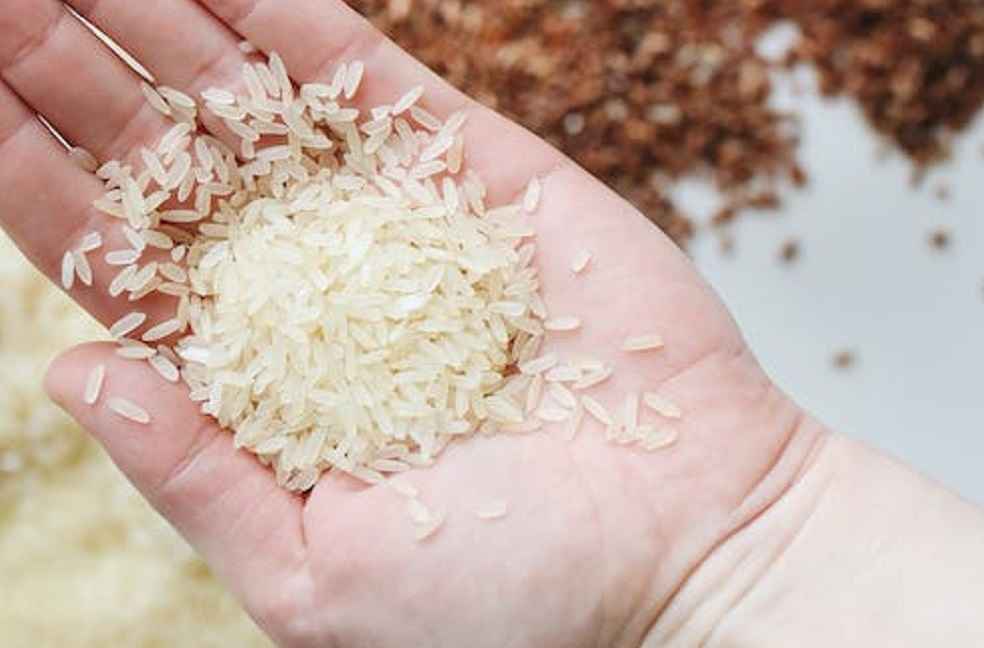
Additionally, rice shipments must be delivered into the country within 60 days from the issuance of their sanitary and phytosanitary clearances (SPSIC).
“Shipments beyond the prescribed period shall not be accepted and are required to be returned to the country of origin at the expense of the importer,” said Panganiban.
Rice imports are anticipated to reach the country by the end of February, according to officials from the Department of Agriculture (DA).
The DA previously stated that 500,000 metric tons of rice would be permitted to enter during this period. Meanwhile, authorities continue to regulate the flow of imported rice to help stabilize prices for domestic farmers.
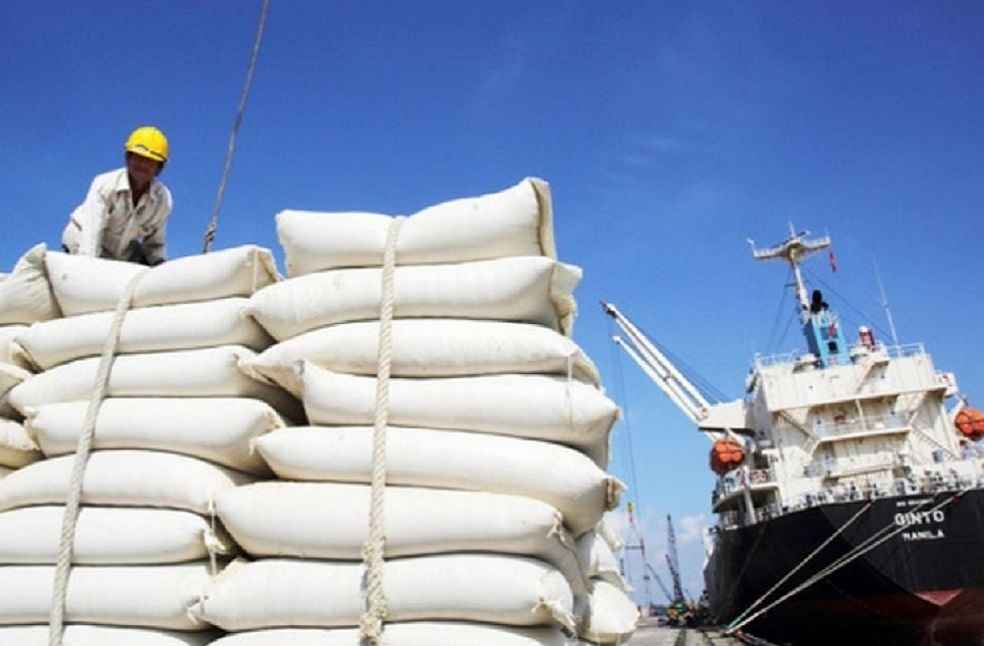
The BPI has lifted the 10% downpayment requirement for SPSICs on the new rice imports, a move industry stakeholders say will help reduce the financial strain on rice importers.
Thailand’s Office for Commercial Affairs in Manila described the Philippines’ resumption of rice imports as a ‘positive’ development and a new opportunity for Thai rice exporters, who have long been key suppliers of the country.
As per the BPI data, the country imported nearly 3.37 million metric tons of rice last year, roughly 30% less than the 4.81 million metric tons recorded in 2024, following the four-month import ban.
DON’T MISS IT | Japan Seeks Smooth Trade as China Delays Imports, Rare Earths

