


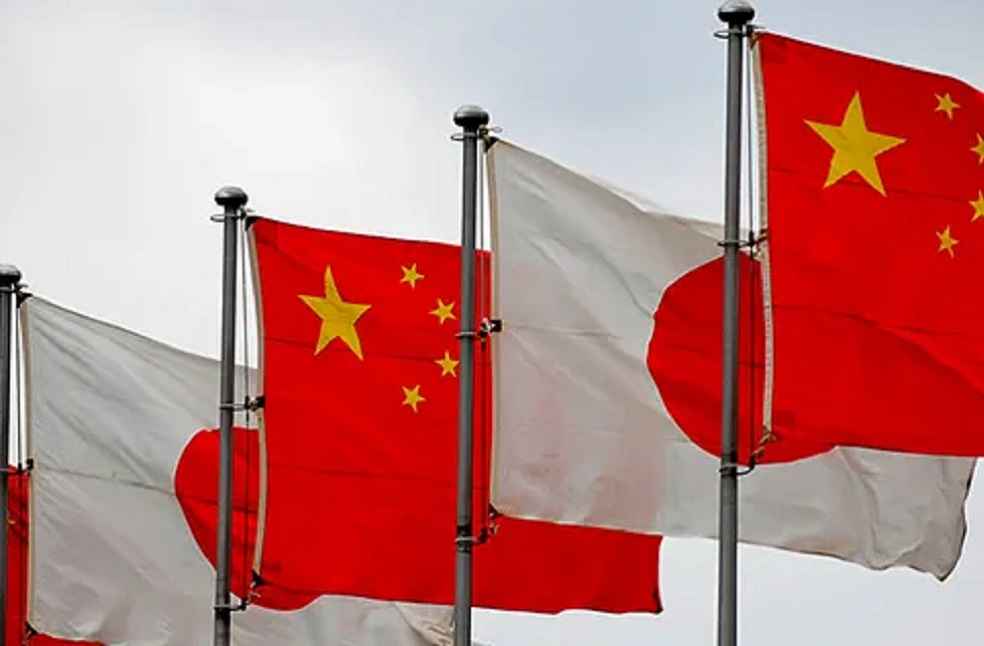
Japan on Friday called for international trade to proceed ‘smoothly’ after media reports said China was delaying imports of Japanese goods and restricting exports of rare earth materials, as tensions between the two countries continue to rise.
Chief government spokesman Minoru Kihara said it was important that Japan’s overseas exports, including agricultural, forestry, and fishery products, as well as food items, move without disruption. Speaking at a regular press briefing, he also stressed that trade in rare earths should continue smoothly, calling it extremely important for international commerce.
His comments followed reports by Kyodo News that shipments of Japanese sake and food products bound for China were facing delays at customs. Citing trade industry sources, Kyodo said the slow clearance procedures were affecting multiple exporters, and that the Japanese embassy in Beijing had received inquiries from companies impacted by the delays.
According to Kyodo, the customs slowdown is believed to be linked to political tensions following comments made in November by Prime Minister Sanae Takaichi, who suggested Japan could respond militarily if Beijing were to seize Taiwan.
The news agency reported that Japan’s diplomatic mission has urged Chinese authorities to handle trade procedures properly and ensure transparency, citing a source familiar with bilateral relations.
In a separate report, The Wall Street Journal said China has begun restricting exports of rare earths and rare-earth magnets to Japan. The report followed China’s announcement earlier this week of a broad ban on exports of so-called ‘dual-use’ goods to Japan, referring to items that could have potential military applications.
The Journal reported that Chinese authorities have since started limiting shipments of scarce and costly ‘heavy’ rare earth elements, along with the powerful magnets that use them, to Japanese companies. The report cited two exporters in China as sources for the information.
Rare earths are critical inputs for a wide range of industries, including electric vehicles, renewable energy systems, electronics, and defense technologies. Any prolonged disruption could have significant implications for manufacturing supply chains.
The latest developments come as relations between Tokyo and Beijing remain strained, with both trade and security issues increasingly intersecting in bilateral ties.
While Japanese officials have not confirmed the existence of formal trade restrictions, they have reiterated the importance of predictable and transparent trade procedures and have called on China to ensure that commercial flows are not affected by political disputes.
TRADE TECH | China Asks Tech Firms to Halt Nvidia’s H200 AI Chip Orders