


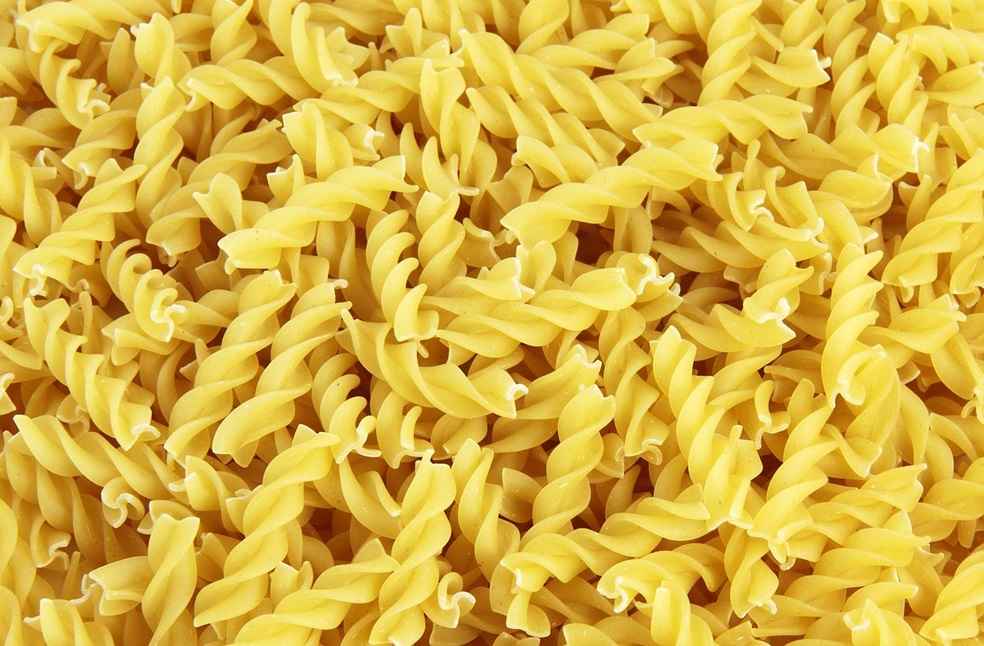
The United States has sharply reduced proposed tariffs on Italian pasta following a trade policy review, easing what had briefly threatened to become a costly dispute for producers, importers, and consumers on both sides of the Atlantic.
Italian pasta, long associated with tradition and everyday comfort, was drawn into trade tensions after U.S. authorities accused 13 Italian producers of selling pasta in the American market at unfairly low prices. Such practices, known as dumping under trade law, can justify heavy penalties if proven.
Initial proposals under the Trump administration set tariffs as high as 91.74%. When combined with existing European Union duties, the total tax burden risked exceeding the retail value of the products, effectively pricing them out of U.S. grocery shelves.
Italian producers contested the allegations and cooperated with U.S. regulators, providing detailed cost and pricing data. The review showed that Italian pasta was not undercutting the market but was instead positioned as a premium product in the U.S.
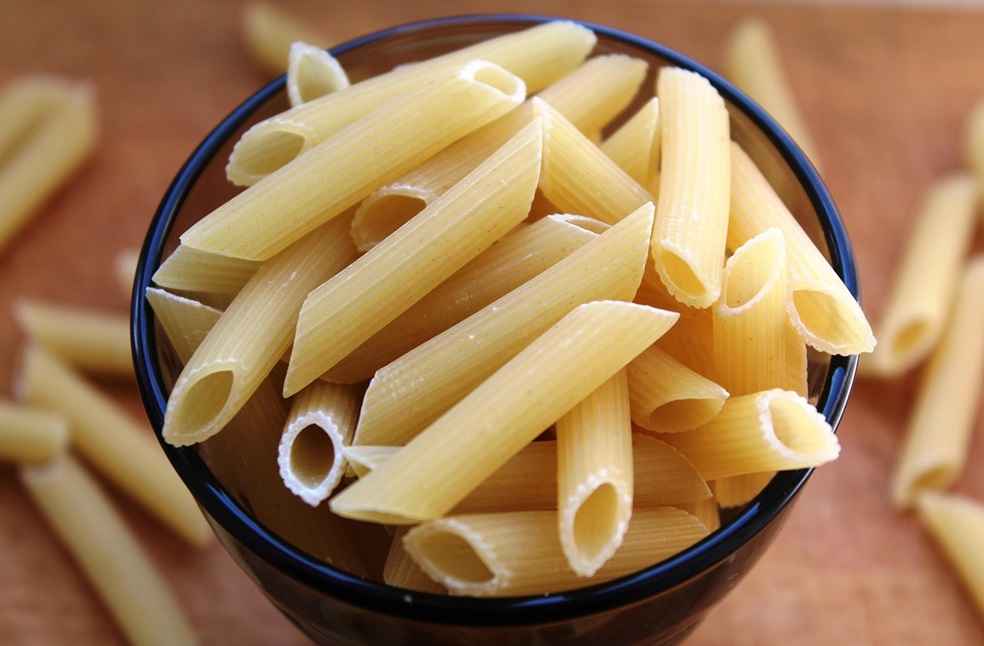
Faced with this evidence and concerns over potential consumer backlash, the U.S. Commerce Department revised its position and significantly lowered the proposed duties.
Under the revised decision, tariff rates on Italian pasta were cut to far more moderate levels. Some brands now face duties in the low single digits, while others range up to 13.98%. La Molisana, one of the producers initially targeted, saw its proposed rate reduced to just 2.26%, a sharp contrast to the punitive levels previously under consideration.
Italy’s pasta sector is one of the country’s strongest food export industries, producing around four million tons annually, with more than half shipped abroad. While the U.S. is not Italy’s largest export destination for pasta, it remains a critical market. In 2024, Italian pasta exports to the U.S. totaled about $502.5 million, accounting for 53.5% of all U.S. pasta imports.

The tariff reduction brings immediate relief across the supply chain. American consumers are spared sharp price increases on a staple product, grocery stores retain access to popular Italian brands, and restaurants can maintain menu pricing without cutting portion sizes. U.S. food importers also avoid additional costs that would have strained logistics and distribution.
For Italian producers, the decision restores certainty, protects export revenues, and avoids diplomatic strain with a key trading partner. The outcome also reinforces the premium positioning of Italian pasta in the U.S. market, showing that trade disputes grounded in data and review can be resolved without lasting damage.
TRADE WORLD | U.S. Delays Tariff Hikes on Imported Furniture and Kitchen Cabinets
