


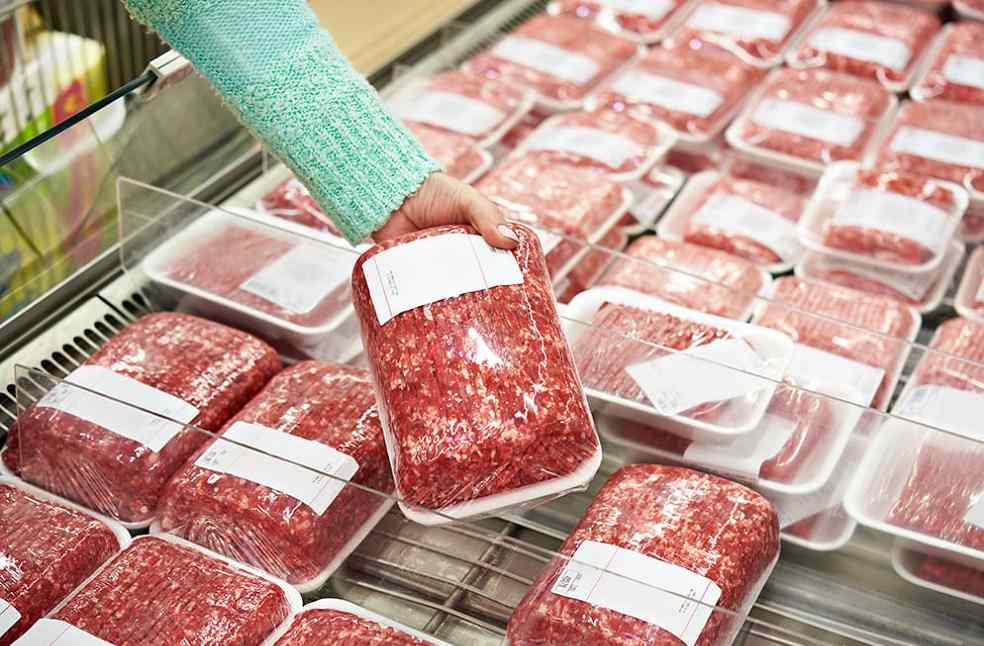
China will introduce a three-year import quota for beef imports from major trading partners to safeguard its domestic industry in the coming years.
On Wednesday, the Ministry of Commerce declared that starting Thursday, a 55% tariff will be imposed on beef imports exceeding quota limits from countries including Brazil, Argentina, Australia, Uruguay, New Zealand, and the United States.
“The objective of these safeguard measures on imported beef is to help the domestic industry overcome its current difficulties, rather than to restrict normal trade,” the ministry said.
The ministry described the measures as ‘moderate,’ aimed at supporting domestic recovery while accommodating trade partners and minimizing trade disruption, with import quotas varying by country and increasing each year over the period.
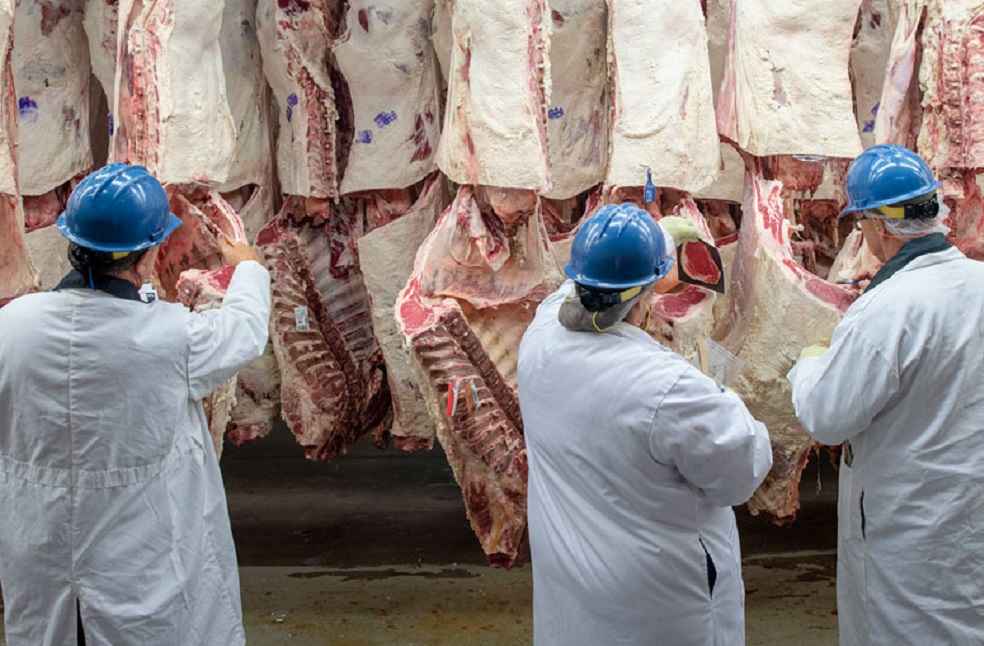
For 2026, China has set Brazil’s beef import quota at 1.1 million tons—the highest allocation as its largest supplier—while Australia and the United States have been given quotas of 205,000 tons and 164,000 tons, respectively.
During the first 11 months of 2025, China imported 1.3 million tons of beef from Brazil—nearly half of its overall imports—representing an 11.6% increase compared with the previous year.
Imports from Australia between January and November reached almost 295,000 tons, marking a 40.8% increase compared to 2024. In contrast, shipments from the U.S. fell sharply by 56.4% to roughly 55,000 tons due to ongoing retaliatory tariffs.
The measure marks the conclusion of an investigation initiated by commerce authorities late last year, undertaken in response to appeals from domestic producers who linked the decline in local prices to a substantial increase in imports over recent years.
According to official data, the national average beef price was approximately ¥71.3 ($10.21) per kilogram in the third week of December. Although this represented a 7.6% increase from 2024, it still remained below the pre-decline average of about ¥ 77 per kilogram, recorded before prices began falling in 2023.
BUSINESS GENERAL | Global Table Grape Trade Set for Reset as Asia Drives Demand

