


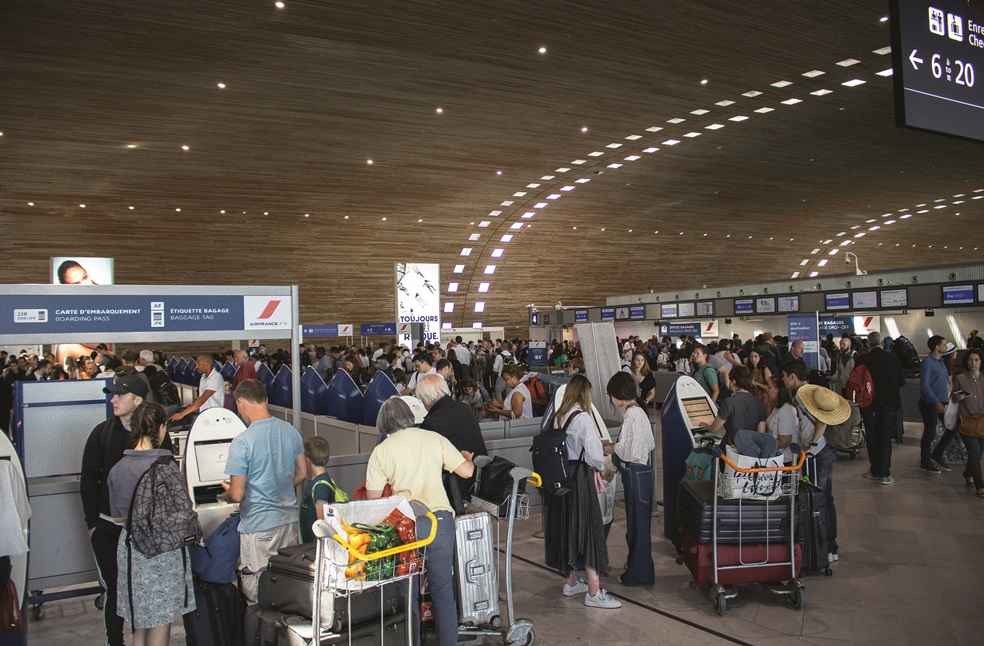
Japan is planning to introduce a new pre‑travel screening system that would require foreign visitors to pay a fee of about 2,000 to 3,000 yen (approximately $13–$20) before entry.
The scheme, called JESTA (Japan Electronic Short‑Term Travel Authorization), is slated to launch in fiscal 2028 as the country braces for a significant increase in international arrivals. With inbound tourism expected to surpass 40 million visitors next year, the initiative aims to manage the surge while ensuring safety and orderly travel.
The JESTA program will apply to travelers from nations and regions that currently benefit from visa-free short-term visits to Japan. By conducting pre-travel screenings, authorities seek to enhance border security and simplify the entry process.
The small fee is intended to offset the system’s operational costs while promoting safer and more efficient travel for both visitors and residents.
The JESTA system in Japan is designed to align with global standards while catering to the specific challenges of the country’s immigration framework. Its main goals are to strengthen national security by combating terrorism, human trafficking, and the unlawful employment of foreign nationals.
Officials are also considering the fee as a consistent revenue stream tied to the growth of inbound tourism. The government plans to present a bill in the next Diet (parliament) session to revise the immigration control law and create the foundation for the JESTA system.
The bill will detail the program’s technical requirements, the applicable fees, and the way it will be incorporated into current immigration and border management processes.
If approved, JESTA is expected to be fully operational by fiscal year 2028, giving both authorities and travelers sufficient time to adjust to the new system.
TRADE WORLD | Vietnam and Uzbekistan Agree to Set Up Joint Trade Working Group