



Bangladesh’s garment exports may lose duty-free access to the European Union under the GSP-plus facility following its graduation from LDC status, as the European Commission and Parliament have agreed to revise the GSP starting in 2027.
A political agreement to reform the GSP framework was reached on December 1 by the European Commission, the Council of the EU, and the European Parliament.
The updated regulations are scheduled to take effect in January 2027 and will remain in place for a period of ten years.
A major change involves lowering the product graduation thresholds, a step designed to restrict extended preferential access for sectors that account for a large share of EU imports under the scheme.
As a result, Bangladesh will no longer qualify for the EU’s EBA (Everything But Arms) arrangement, which currently grants duty‑free and quota‑free access.
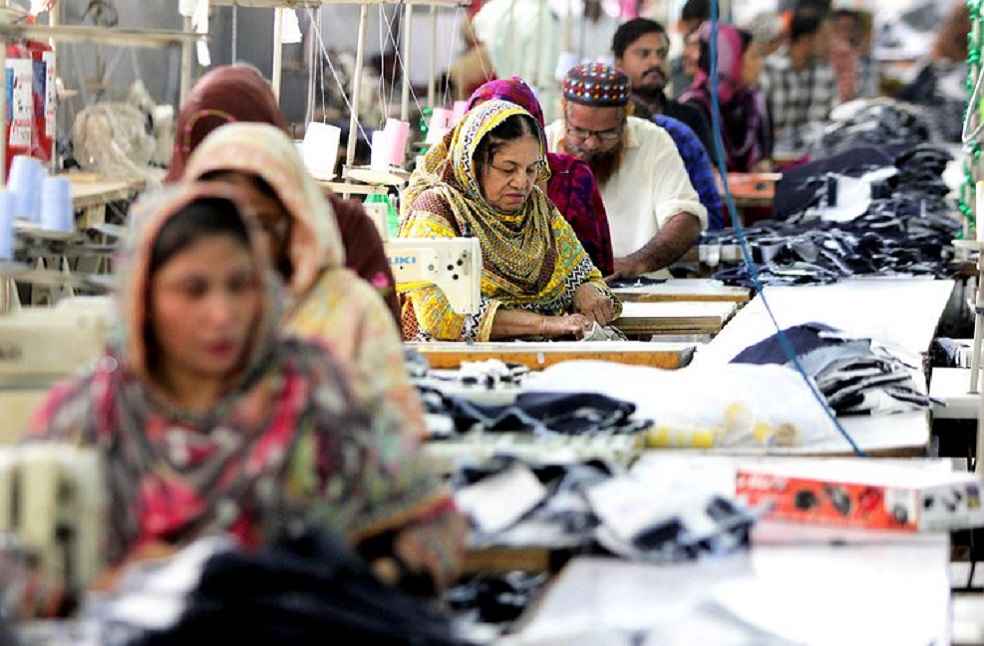
While the country could still apply for GSP Plus, experts warn that the revised rules raise concerns about whether its garment exports would continue to receive preferential treatment.
Under the updated framework, the threshold for textile and garment exports to the EU will drop to 37%, down from the existing 47.2%.
The reduced threshold will apply to Bangladesh only after 2029, once its three‑year transition period following LDC graduation ends.
EU Ambassador and Head of the EU Delegation to Dhaka, Michael Miller, stated that Bangladesh would not be affected by the threshold while it remains an EBA beneficiary.
During this time, the EU will maintain existing trade preferences to allow Bangladesh to prepare for GSP or GSP+ requirements and will provide financial and technical support to help ensure compliance, Miller added.
Safeguards would be enforced only if a beneficiary country’s exports of a specific product surpass 37% of EU imports of that product from all GSP beneficiary countries.
Moreover, the mechanism would remain inactive if the beneficiary’s exports represent less than 6% of total EU imports of the same product from all countries.
The EU remains Bangladesh’s largest export market, with the garment sector experiencing rapid growth over the past decade, largely due to preferential access.
Bangladesh’s garment exports currently make up roughly 24% of total EU imports and about 47% of textile imports from GSP beneficiary countries. Losing tariff preferences could undermine the country’s competitiveness in the EU market.
According to Eurostat, Bangladesh’s garment exports to the EU increased from €11.54 billion in 2015 to €18.28 billion in 2024—a rise of more than 58%.
Meanwhile, industry insiders warn that competition in the EU market is likely to intensify, as exports from China, Vietnam, India, and Cambodia are expected to rise in response to higher U.S. tariffs.
IMEX SECTOR | China to Boost Pear Exports as Output and Imports Decline