


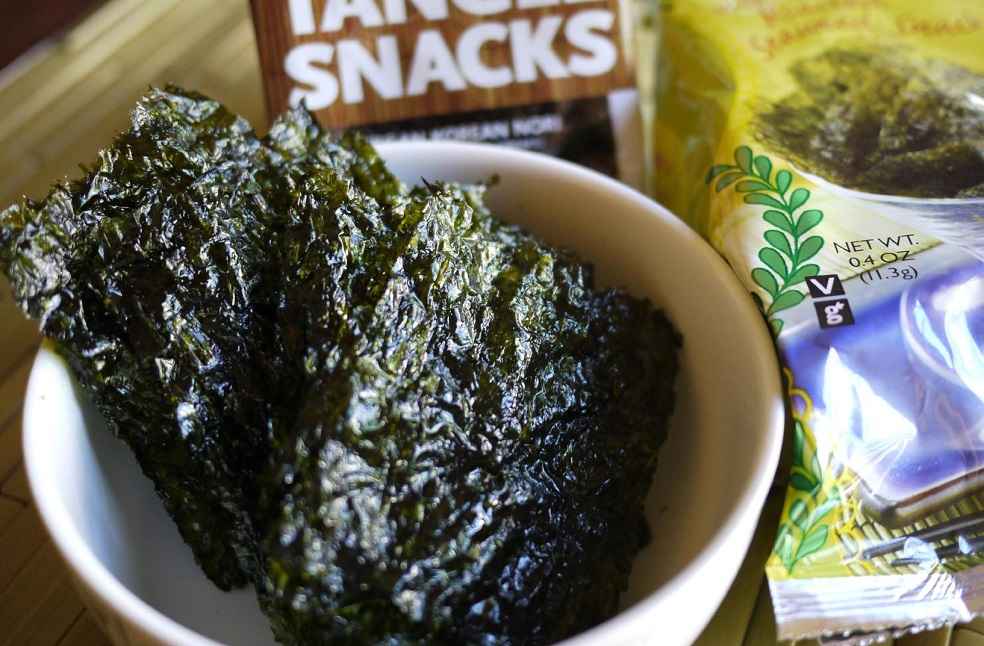
Korea’s dried seaweed industry is poised to hit a record export milestone, with shipments on track to reach $1.1 billion this year as global appetite for the product rises. The Ministry of Oceans and Fisheries and the Korea Customs Service reported on December 17 that exports of dried seaweed totaled $1.04 billion, or 35,000 tons, as of the end of November.
This is the first time annual exports have surpassed the $1 billion mark. The figure represents roughly 60% growth in just three years, up from $648 million. Demand has surged in key markets in North America, Europe, and Asia, driven by consumer interest in healthy food and the global influence of Korean cultural exports.
The United States remains the largest destination, accounting for $228 million, or 21.9% of total export value. Japan followed with $215 million, China with $104 million, Thailand with $89 million, and Russia with $86 million.

Export momentum has also been supported by favorable tariff changes. A 15% U.S. tariff on seasoned seaweed was lifted on November 13 after trade negotiations. Seasoned seaweed now stands as the only seafood product exported to the United States that is tariff-free.
It represents about 94% of Korea’s seaweed exports to the market by value. A ministry official said it is reasonable to expect exports to reach $1.1 billion by year-end if current trends continue.
The rising visibility of Korean seaweed in global media is helping fuel export growth. The product recently gained attention through a gimbap scene in the Netflix film ‘KPop Demon Hunters.’ To sustain the momentum, the government has budgeted one billion won, or about $730,000, next year to launch a dedicated seaweed promotion center at Incheon International Airport.
Officials and industry experts caution that rapid export expansion also brings risks. Calls are growing for the introduction of a formal seaweed grading system, similar to premium Korean beef, to differentiate prices and reinforce bargaining power in foreign markets. Japan already uses such a framework. The government plans to pilot a grading program starting next year.
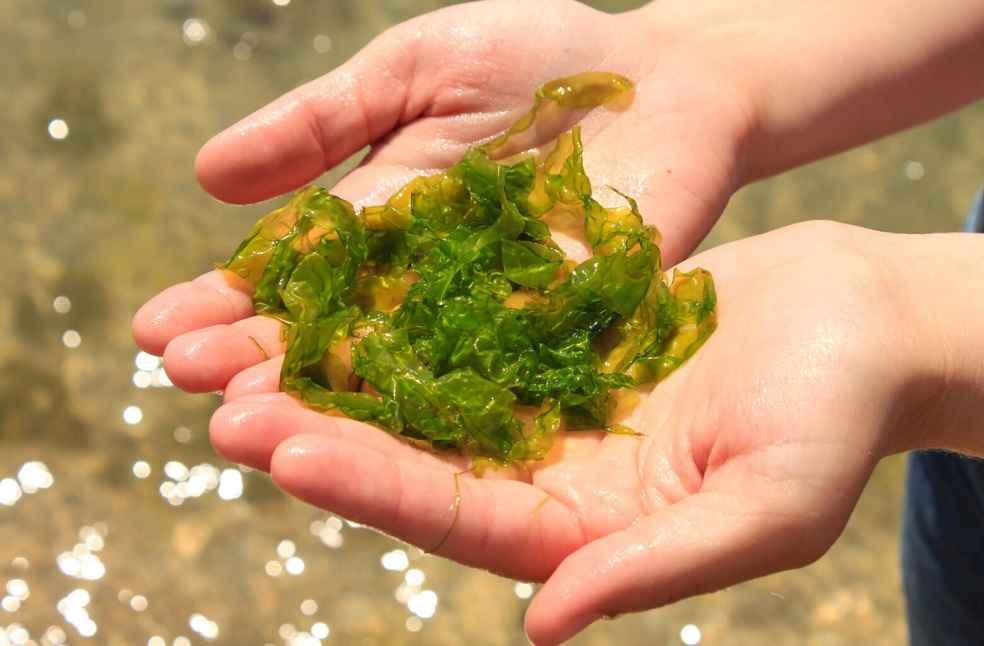
Climate change presents another challenge. Seaweed requires cold water temperatures between 5 and 15 degrees Celsius to thrive, making rising sea temperatures a significant threat. The number of high-temperature sea alerts, issued when seawater exceeds 28 degrees Celsius, climbed from 22 five years ago to 71 last year.
To adapt, the government is developing heat-resistant seaweed strains and scaling up land-based aquaculture systems that allow cultivation in controlled tanks. Officials aim to commercialize land-based seaweed farming by 2029, supported by 35 billion won in research funding commissioned in January.
As global demand increases, Korea’s seaweed industry must balance growth with quality control and environmental resilience to protect its position as the world’s leading exporter.
TRADE WORLD | Italy’s Wine Sector Urges Action on EU-Mercosur Trade Deal