


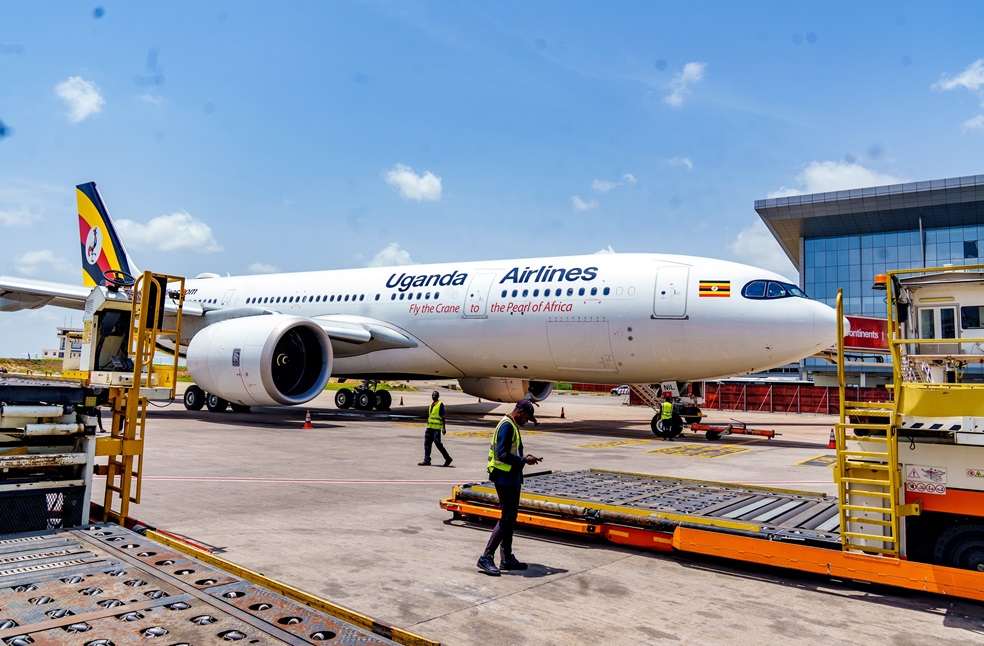
The global air cargo industry is positioning itself as a key stabilizer for supply chains as rising tariffs and fragmented trade patterns reshape global commerce, according to the International Air Transport Association (IATA).
Industry leaders say air freight’s speed and flexibility are becoming essential as companies adapt to shifting trade routes and supplier networks.
Brendan Sullivan, IATA’s Global Head of Cargo, said escalating trade tensions are forcing businesses to make rapid sourcing and routing decisions, often at short notice. In such conditions, air cargo has emerged as the fastest and most adaptable transport option when trade flows are disrupted or redirected.
Data from Yale Budget Lab shows that the average U.S. tariff rate reached around 17% in 2025, the highest level since the 1930s. These measures have triggered significant changes in global trade flows.
Chinese exports to the United States fell by 15.4% between January and August 2025, while exports to India rose by 22.9% and shipments to Thailand increased by 21.9% over the same period.
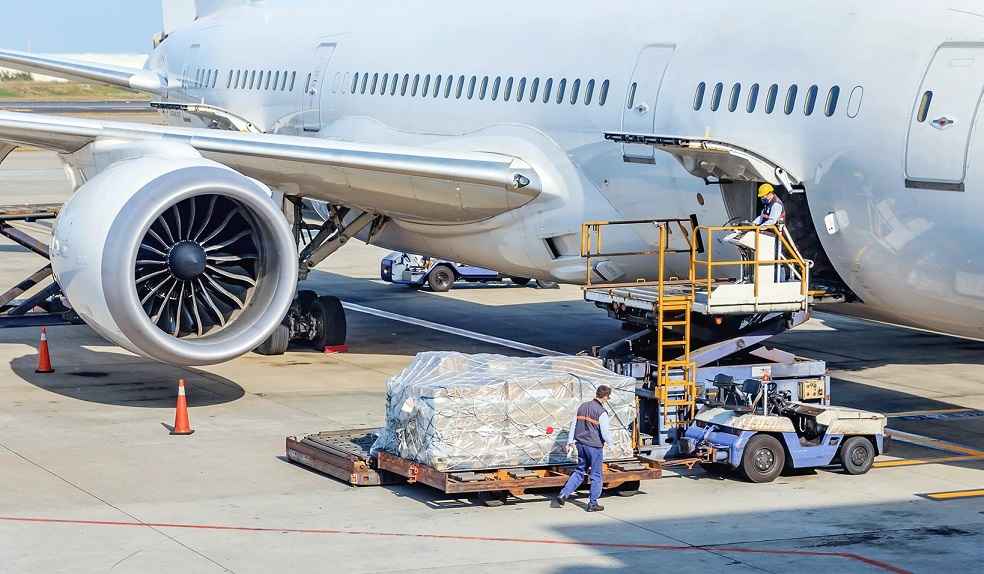
Air cargo demand reflected these shifts, reaching a record high in October 2025 with a 4.1% year-on-year increase, marking the eighth consecutive month of growth, according to IATA figures.
The sector now transports about 180,000 tons of goods daily and accounts for nearly a quarter of global trade value, despite representing less than 1% of total trade by weight.
Trade volatility throughout 2025 highlighted air freight’s ability to respond quickly to policy changes. During peak months, air cargo growth exceeded 20%, while sea freight recorded slower expansion.
Traffic on Far East–Europe routes more than compensated for weaker flows between the Far East and North America, underlining how air transport can rapidly rebalance trade corridors.
Sullivan identified airport slot access as a major constraint for cargo operators. Unlike passenger airlines, cargo carriers often lack historic or permanent slots at major hubs.
Airports such as Bogotá, Dubai, Heathrow, and Gatwick frequently limit cargo flights to temporary allocations, while restrictions, including curfews, shorter parking times, and separation windows, add further pressure.
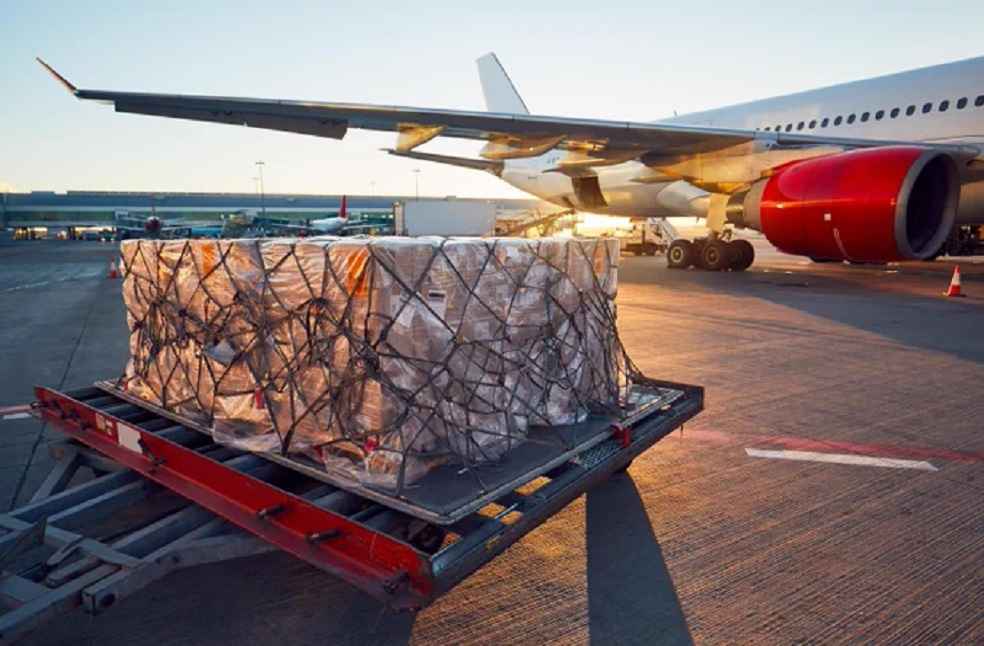
In some locations, including Mexico City and Mumbai, cargo operations face outright bans. IATA’s Worldwide Airport Slot Guidelines call for fair and non-discriminatory slot allocation regardless of the type of operation.
IATA expects global air cargo traffic growth to moderate to around 2.6% in 2026, following an 11.4% expansion in 2024. Regional performance remains uneven.
African carriers led growth with a 16.6% increase in October 2025, while Asia-Pacific airlines recorded gains of 8.3%. In contrast, carriers in North America and Latin America saw contractions of 2.7%, reflecting differing recovery paths.
Digitalization is another priority as the industry seeks greater agility. IATA is promoting the ONE Record data-sharing standard, which establishes a unified digital framework for cargo information exchange.
Nearly half of industry participants have indicated readiness for its implementation on January 1, 2026. The system aims to reduce reliance on paper-based processes that create inefficiencies and delays across supply chains.
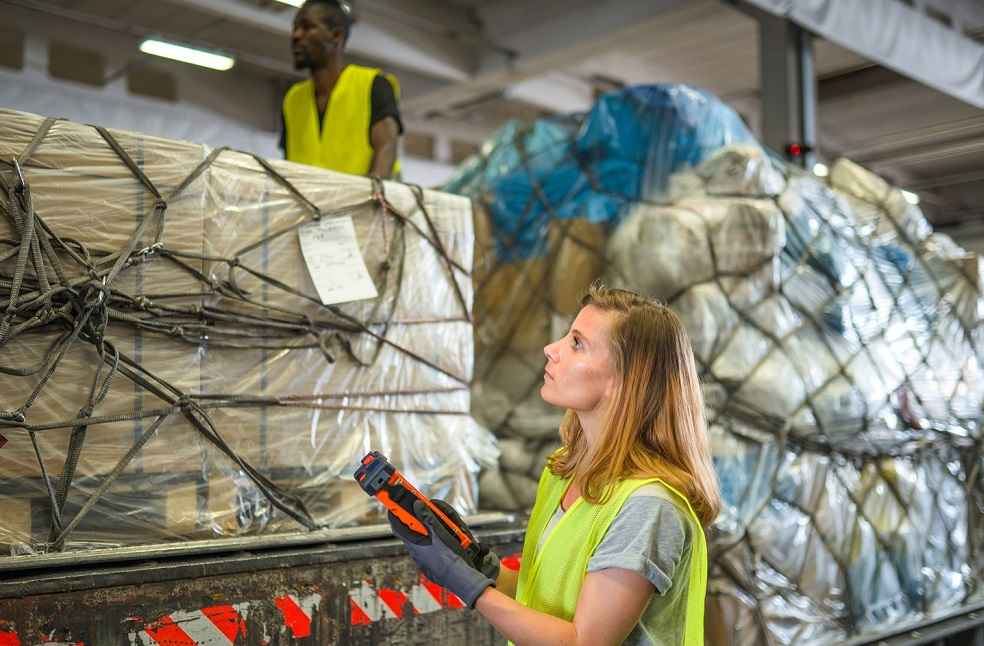
Security frameworks also require updates, according to IATA, following incidents involving improvised incendiary devices in 2024. Sullivan said inconsistent adoption of Consignment Security Declarations has led to regulatory gaps and duplication.
Fewer than half of the surveyed countries accepted electronic declarations in 2022, and early regulatory responses to security threats exceeded the technical limits of existing messaging systems.
Air cargo generates around $204 billion in annual revenue and supports millions of jobs worldwide. It plays a central role in fast-growing e-commerce markets, which continue to expand by about 10% annually, and remains vital for transporting high-value goods and pharmaceuticals.
The sector also underpins humanitarian operations, delivering more than 3,500 tons of relief supplies from over 90 countries after the earthquakes in Turkey and Syria.
Julia Seiermann, IATA’s Head of Industry Analysis, said air cargo reacts more sharply to trade fluctuations than other transport modes. She noted that its repeated ability to adjust quickly to changing trade routes and sourcing patterns makes it uniquely suited to meet the demands of modern supply chains.
INSPIRING | India, Qatar Explore Free Trade Pact to Deepen Economic Cooperation