


Small and medium-sized enterprises across Africa are set to receive stronger support in meeting international trade standards, following the launch of a new initiative by the World Trade Organization (WTO). The move aims to help businesses comply with evolving global regulations that increasingly influence market access.
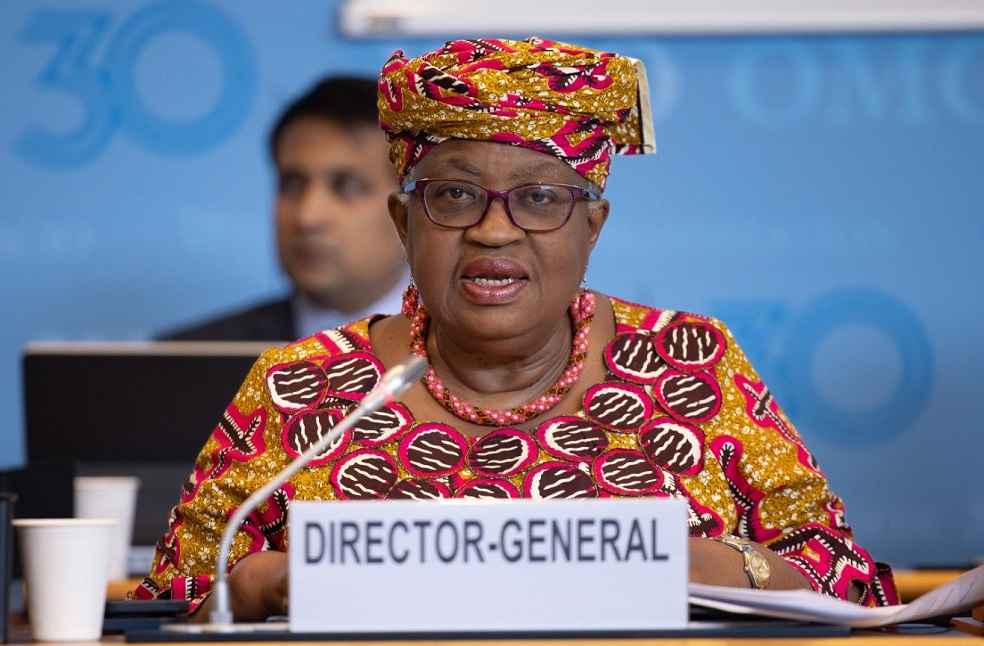
In pre-recorded remarks at the “Beyond Tariffs: How Standards and Regulations Shape Agribusiness Competitiveness” forum in Nairobi, WTO Director-General Dr. Ngozi Okonjo-Iweala said that technical standards and regulatory requirements now play a decisive role in determining what reaches consumers.
“Tariffs have returned to prominence. But in many cases, probably most cases, it is standards and regulations that determine what reaches consumers and what does not,” she said.
The forum, co-organized by the Government of Kenya, the Gates Foundation, the Standards and Trade Development Facility (STDF), and the International Trade Center, brought together policymakers, the private sector, and development partners to examine how smaller producers can navigate complex trade requirements.

Dr. Okonjo-Iweala noted that the consequences for micro, small, and medium-sized enterprises in developing countries can be severe when they fail to meet new rules. “Meeting evolving requirements can be the difference between export success and losing a market overnight,” she said.
She cited the example of a young avocado farmer in Embu, Kenya, who had a shipment rejected at the border due to an uncommunicated labelling update. “Her produce did not change. Her hard work did not change. The only thing missing was information. That should never happen,” she said.
The forum also marked the launch of a new STDF-funded project implemented by the WTO Secretariat with Kenya, Namibia, South Africa, Tanzania, and Uganda. The project will expand the use of ePing, a digital notification tool that alerts exporters to regulatory changes in target markets, enabling timely compliance.
“This project will empower SMEs with timely and actionable information they need to compete and win in global markets,” Dr. Okonjo-Iweala said.
She stressed that cooperation between governments and businesses is essential for improving regulatory compliance. “When governments and businesses work together, they align goals, reduce costs, build trust, improve risk management, and streamline supply chains. This creates safer, more predictable, and more transparent trade,” she said.

Africa’s leadership in regulatory transparency was another focus of the event. Dr. Okonjo-Iweala said the continent had submitted over 17,000 notifications to the WTO, with more than 13,700 from the East African Community.
Nearly half relate to agriculture, signalling a strong commitment to providing exporters with information needed to respond to changing requirements.
Returning to the Embu farmer’s example, she explained how digital tools can change outcomes. “This time, she receives an alert on her phone about the new labelling requirement.
She updates her labels before shipping. Her avocados reach the market, and she earns a higher price. Nothing changed except her access to the right information at the right moment.”

Dr. Okonjo-Iweala also highlighted the need to strengthen and modernize the multilateral trading system. “Africa has what the world wants: arable land, sustainable products, and a youthful, dynamic workforce. Our job is to ensure that Africa’s exporters can meet standards anywhere in the world and also shape those standards as leaders,” she said.
She urged participants to use the forum to deepen cooperation and ensure that SMEs across Africa have the tools and information required to compete.
“Because when African agribusinesses move beyond tariffs, they do not just participate in global trade, they help define its future,” she said.
The two-day forum will feature practical demonstrations of tools such as the ePing SPS and TBT Platform, the Global Trade Helpdesk, the STDF, and the Standards Map, giving SMEs access to resources that can help them anticipate regulatory changes, strengthen compliance, and tap new market opportunities.
GLOBAL ROUNDUP | Global Trade to Hit Record $35 Trillion Despite Slower Growth – UNCTAD