


India’s reliance on arecanut imports has risen sharply over the past ten years, with inbound volumes and value expanding far faster than the country’s exports, according to new government data. The trend has widened the trade gap in the commodity and heightened concerns among growers despite a 100% import duty.
Data from the Directorate General of Commercial Intelligence and Statistics, shared in response to an unstarred Lok Sabha question from MP B. Y. Raghavendra, shows that India exported 2,396.26 metric tons of arecanut worth Rs 105.84 crore in 2024–25.
A decade earlier, exports were 6,284.91 MT valued at Rs 78 crore. Over the 10-year period, export value rose 35.69% in rupees but only 6.2% in dollar terms, reflecting modest long-term growth with sharp fluctuations.
Export performance peaked in 2022–23, when shipments hit 13,765.37 MT worth Rs 485.05 crore. But volumes fell to 10,636.89 MT in 2023–24 and dropped steeply again in 2024–25.
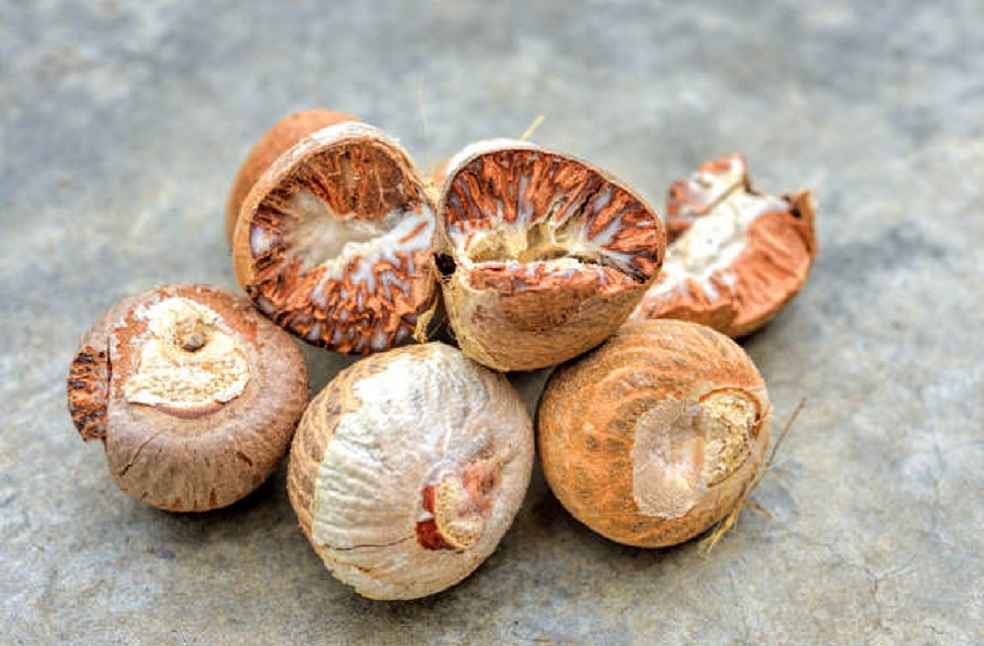
Imports, meanwhile, have remained consistently high and have surged in value. India imported 42,236.02 MT of arecanut worth Rs 1,208.34 crore in 2024–25, compared with 45,189.77 MT worth Rs 722.21 crore in 2015–16. The highest import volumes were recorded in 2022–23 at 78,233.66 MT valued at Rs 2,182.33 crore.
Even after that spike, imports stayed elevated: 40,386.48 MT in 2023–24 and 42,236.02 MT in 2024–25. In value terms, imports last year were more than 11 times higher than exports. In volume terms, they were nearly 18 times higher, underscoring the growing imbalance.
Bangladesh, Sri Lanka, Myanmar, and Indonesia were the top sources of arecanut imports in 2024–25. Key export destinations included Malaysia, the UAE, Sri Lanka, and the Maldives.
The Commerce Ministry said export promotion continues through the Agricultural and Processed Food Products Export Development Authority, which supports exporters through quality upgrading, infrastructure assistance, and participation in international trade events. The data shows these efforts have not been enough to offset import growth.
Industry representatives say the core issue is strong domestic consumption. Karnataka Rajya Raita Sangha president K. T. Gangadhar told The New Indian Express that demand from sectors such as pan masala and paints absorbs most of the country’s produce.
“Most of the areca produced in the country is used for pan masala, paints, and other industries. Hence, the exports are not picking pace,” he said.
Raghavendra also raised concerns with the government about import volumes rising much faster than exports, but was told domestic demand for Indian-grown arecanut remains high.
India is the world’s largest producer of areca nuts, accounting for around 63% of global output. In 2023–24, the country produced about 14 lakh tons from 9.49 lakh hectares.
Karnataka leads production with 10 lakh tons from 6.76 lakh hectares, followed by Kerala, Assam, Meghalaya, Mizoram, West Bengal, and Tamil Nadu.
IMEX SECTOR | Vietnam’s Book Exports Lag as Global Publishing Surges