


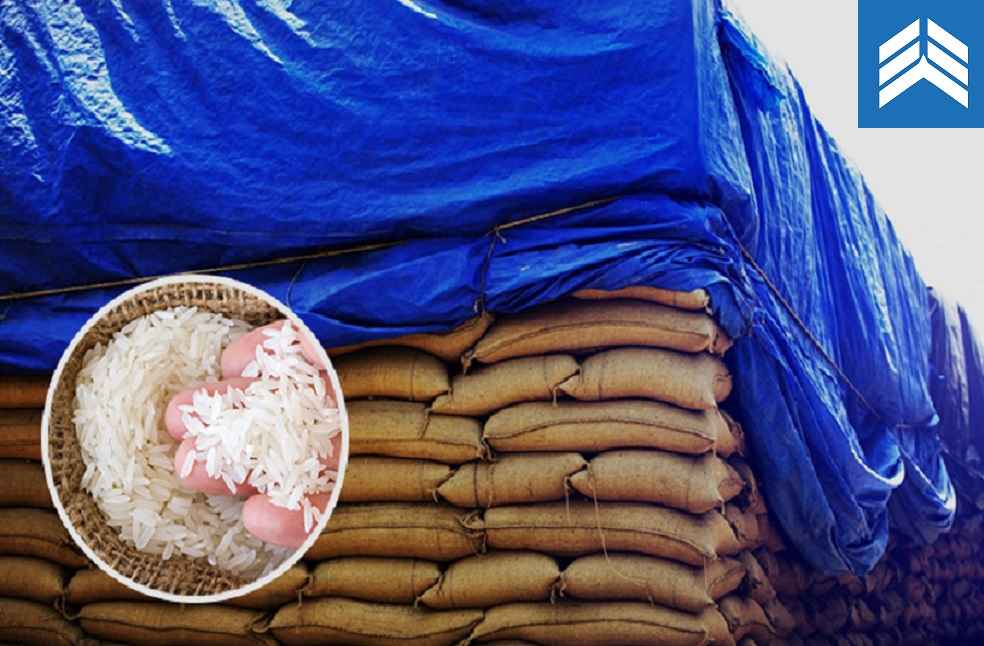
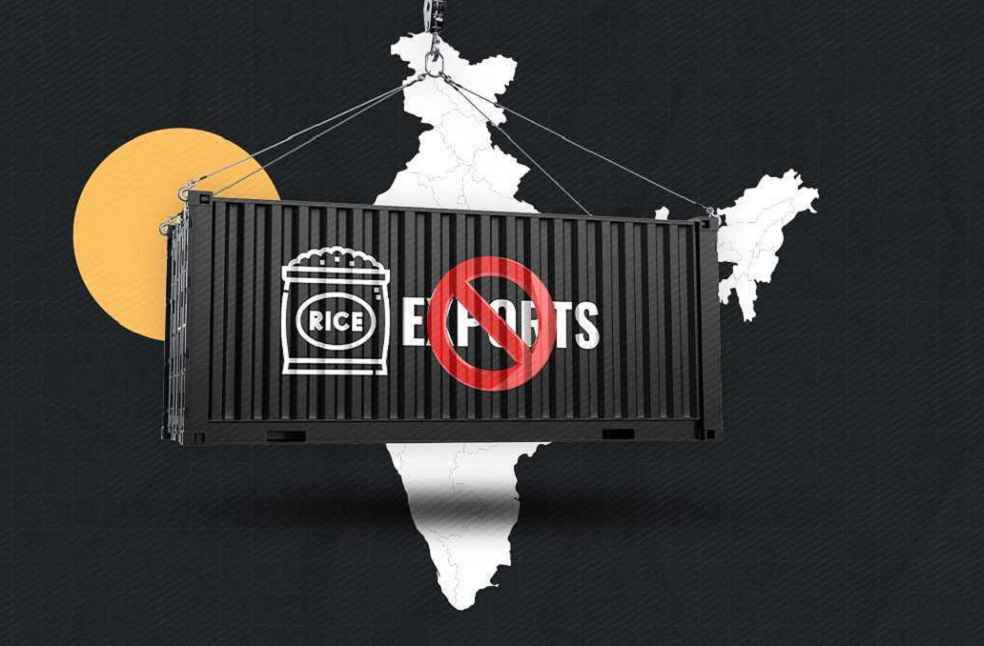
The European Union is preparing to restrict rice imports from India, Pakistan, and several Asian countries through a new safeguard mechanism aimed at protecting its domestic growers and millers. Internal documents accessed by Businessline indicate that the move will be implemented under a tariff rate quota system.
On December 1, the European Council and Parliament agreed to introduce a ‘specific automatic safeguard mechanism’ for both basmati and non-basmati rice. The mechanism will activate if import volumes rise significantly above the EU’s historical average.
Once triggered, shipments will face most-favored-nation (MFN) tariffs for a defined period. The provisional deal is expected to be formally endorsed, with the regulation taking effect from January 1, 2027.
Industry representatives say the decision contradicts the EU’s ongoing negotiations for a free trade agreement with India. “This is like shutting one door while opening another,” a trade source remarked.
Rising Imports and Market Concerns
An EU Council note from November 12, 2025, projects rice imports from third countries to reach 1.5 million tons, led by India, Pakistan, and EBA (“Everything but Arms”) countries such as Myanmar and Cambodia, which enjoy zero customs duty across all rice varieties and processing levels.
Analysts warn that the new system could make the European market more oligopolistic, benefiting fewer than a dozen players and squeezing exporters of packaged and husked rice from India.
Around 1.42 lakh tons of rice are shipped to the EU in packaged form each year, including about 48,000 tons of basmati and specialty varieties such as Ponni and Sona Masuri.
The EU previously imposed safeguard duties on Myanmar and Cambodia in 2019, which expired in 2022. The latest proposals have been under discussion since that year.
India, Pakistan Face Increased Pressure
During earlier GATT Article 28 negotiations in 2004-05, the EU imported roughly 6 lakh tons of rice. Imports have now surged to 2.3 million tons. Cambodia and Myanmar, not significant exporters at the time, now jointly supply about 10 lakh tons.
The EU note also flagged concerns over human rights violations, including child labor, and the use of restricted agricultural chemicals such as tricyclazole at levels exceeding EU limits. These concerns directly target India, Pakistan, Myanmar, and Cambodia, according to industry sources.
India and Pakistan are particularly exposed because their export composition has shifted. In 2004-05, brown or husked rice accounted for 80–90% of shipments.
That share has fallen to around 50%, with milled rice now making up the balance. Total exports from both countries have increased fivefold since then.

Minutes from the EU Civil Dialogue Group meeting on rice markets held in July showed the bloc adopting a firm stance. The EU said it would not make concessions that could negatively affect domestic producers and highlighted rice as a ‘highly sensitive product’ in talks with India.
Despite this defensive posture, EU rice production has declined by about 10% over the past two decades, from 1.64 million tons to 1.47 million tons, even though acreage has remained stable at around 4 lakh hectares. Industry representatives argue this shows increased imports have not harmed farmers.
Push From EU Millers
The Federation of European Rice Millers (FERM) has urged the European Commission to review the GSP Safeguard Clause for EBA countries and revise the common customs tariff, unchanged since 2004. FERM is pushing for measures that would encourage importers to ship paddy rice, which EU millers could then process and package for retail.
This shift could prompt major exporters to set up European processing units. Dawat, for example, already operates a facility in the Netherlands.
Analysts say India must use the India-EU FTA negotiations to safeguard its access to the European market. “We still have a window to protect our interests. These developments are becoming classic cases of barriers to market access,” said S. Chandrasekaran.
IMEX SECTOR | Afghanistan Sends First Cotton Shipment to Russia