


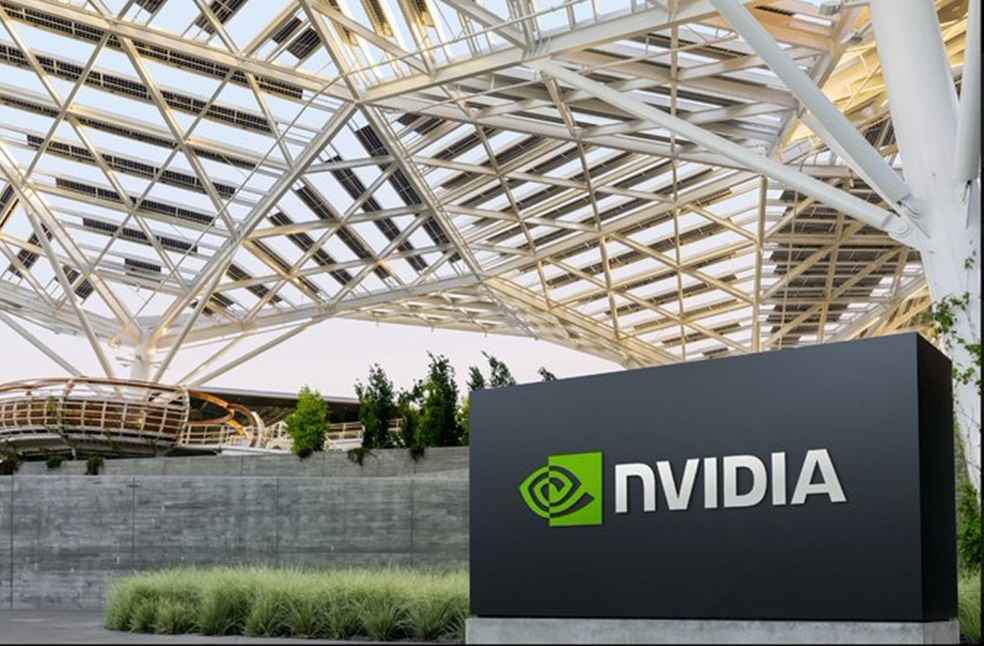
U.S. senators on Thursday introduced a bill to prevent Nvidia from exporting its most advanced AI chips to China, according to the Financial Times.
The U.S. Senate, on a bipartisan basis, introduced the Secure and Feasible Export Semiconductors Act (SAFE), which directs the Commerce Secretary to deny all licenses for exporting advanced semiconductor chips to China for the next 30 months.
If enacted, the bill would effectively halt shipments of Nvidia’s latest AI chips—including the H200 and the Blackwell series—to China.
The measure is intended to prevent Beijing from acquiring hardware capable of significantly advancing its AI capabilities.

The bill comes as the White House reassesses whether to permit exports of Nvidia’s H200 chips, amid concerns from U.S. officials that the trade agreement reached between Trump and Chinese President Xi Jinping in October may understate critical national security risks.
The concerns intensified after it was revealed the previous day that the U.S. Treasury had initiated, then suspended, sanctions targeting China’s Ministry of State Security over cyberhacking activities.
Amid this, Nvidia CEO Jensen Huang reportedly conveyed in meetings with President Trump and Republican senators that exports of advanced chips to the Chinese market should continue.
The bill is led by Pete Ricketts, the Republican chair of the Senate Foreign Relations East Asia Subcommittee, and Chris Coons, the committee’s leading Democrat.

Ricketts stated that the U.S. maintains an edge in the AI race due to its ‘dominance of global compute power’ and emphasized that preventing Beijing from accessing these chips is therefore crucial.
The legislation, Secure and Feasible Export Chips Act, directs the Commerce Secretary to block export licenses for high-end processors bound for China over the next two and a half years. This measure would halt all sales of H200 and Blackwell chips to the region. These processors are central to large AI models, data-center clusters, and national computing infrastructure.
Lawmakers contend that China should not be granted direct access to such technology as the two nations compete for leadership in artificial intelligence.
LOGISTICS INDUSTRY | Global Container Shipping Rates Rebound After Three-Week Decline