


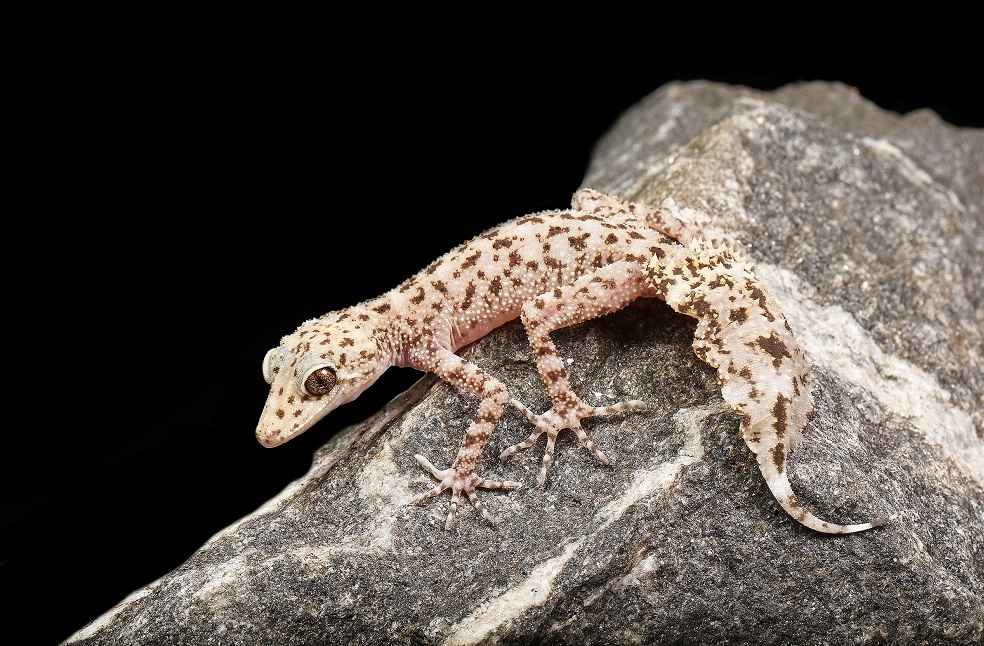
Two Australian leaf-tailed geckos that have become lucrative targets in the exotic pet market have been granted new international protections at a UN wildlife conference.
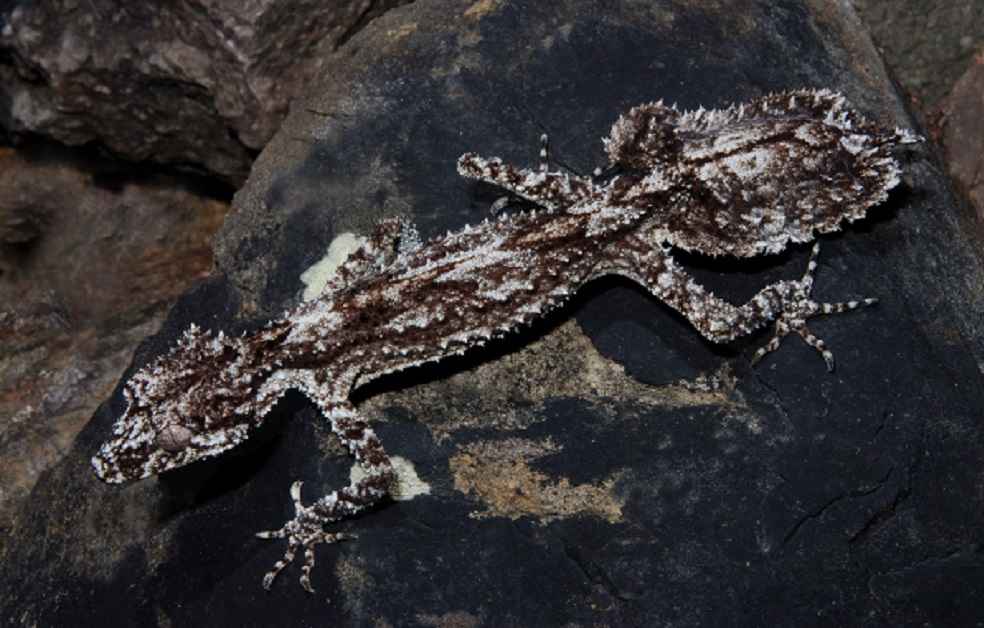
The ringed thin-tailed gecko and the Mount Elliot leaf-tailed gecko, both endemic to Australia’s east coast, remain in demand on digital marketplaces and at pet trade shows despite Australia’s strict ban on exporting geckos or any native wildlife for commercial use. Their rarity and limited distribution continue to drive illegal trade.
To regulate this trade and slow population decline, delegates at the 20th Conference of the Parties (CoP20) to the Convention on International Trade in Endangered Species of Wild Fauna and Flora (CITES) approved Appendix II protections for both species.
The International Fund for Animal Welfare (IFAW) welcomed the decision but warned that the listing alone will not be enough to halt illicit trafficking.
“These geckos shouldn’t be found anywhere else in the world other than Australia, but they continue to be illegally taken from the wild and sold in exotic pet markets around the globe. While an Appendix II listing will help bring greater visibility to the trade, it won’t stop it,” said Matt Collis, IFAW’s senior director of policy.
He said stronger enforcement will be needed in Australia and in overseas markets. “Action is needed to ensure geckos stolen from Australia cannot be sold legally in other countries.”
Illegal trade cases involving both species have been documented across Europe and the United States, with some listings exceeding 2,000 euros. In the weeks leading to CoP20, sellers in Canada advertised the geckos as ‘Amazing pre-CITES Aussie list.’
Beyond poaching, climate change is intensifying the threats facing both species. They are vulnerable to bushfires and drought, and their habitats continue to shrink due to urbanization.
Populations are confined to small, fragmented areas in Queensland. The Mount Elliot leaf-tailed gecko is restricted to a tiny area near Townsville, while the ringed thin-tailed gecko occupies a limited region in the state’s southeast.
“These are not the only Australian species targeted by traffickers. Like many other Australian species, they are already under pressure from habitat loss and climate change, with the unregulated trade further exacerbating the risks they face,” Mr Collis said.
International CITES protections are vital to ensure they do not further decline towards extinction. We encourage Australia to consider further CITES listings to protect its native wildlife,” he added.
Australia submitted the proposals for the Appendix II listings, and both were accepted by consensus.
IMEX SECTOR | Indonesia Resumes Exports of Shrimp Products to U.S.
