


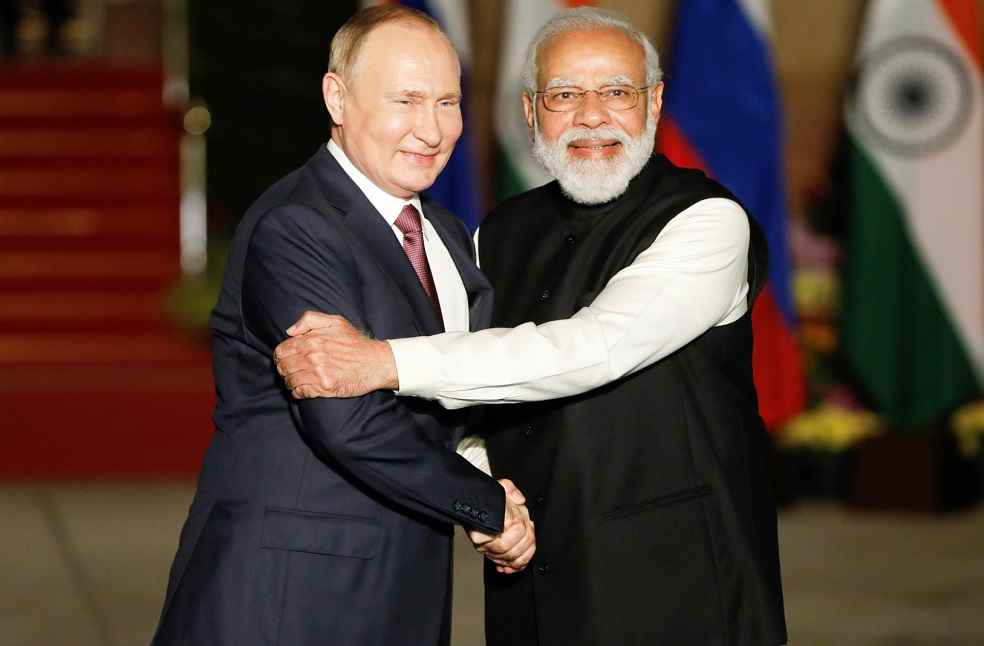
Russian President Vladimir Putin’s visit to India this week is aimed at securing energy supplies and stabilizing defence deliveries.
The trip also seeks to ensure bilateral trade continues without disruption despite strong Western sanctions, the Global Trade Research Initiative (GTRI) said on Tuesday. Putin will arrive in New Delhi on December 4 for the 23rd India–Russia Annual Summit.
GTRI co-founder Ajay Srivastava described the trip as a high-stakes working visit driven by the need to protect India’s energy access, maintain defence supply lines, and keep trade functioning under sanctions pressure. He noted that India’s engagement with Russia continues to rest on three pillars: energy, defence, and diplomacy.
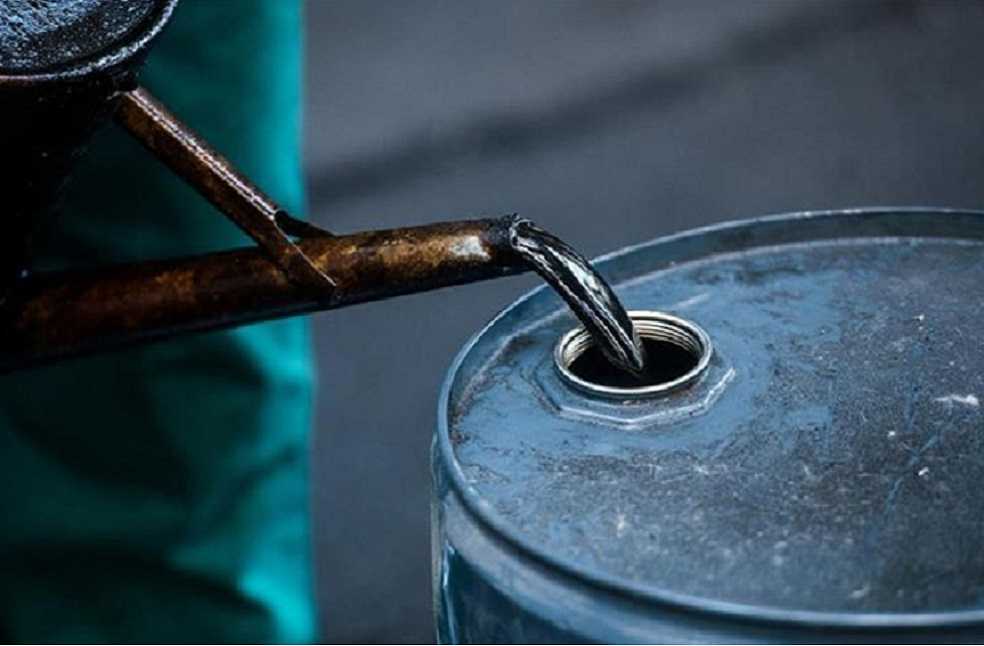
Russia is now India’s largest crude oil supplier, covering 30 to 35% of total imports. Discounted oil has effectively become the center of the current partnership. Defence cooperation remains the second major pillar.
Russia continues to supply and service a majority of India’s frontline systems, including fighter aircraft, submarines, tanks, and air defence platforms. Discussions are expected to focus on maintenance support and future procurement.
Both countries may also formalize a new payments framework. Options include settling trade in UAE dirhams or linking Russia’s SPFS system with India’s RuPay network.
After Russia’s partial removal from SWIFT, transactions shifted to a multi-currency arrangement dominated by the dirham (60–65%), followed by the rupee (25–30%) and the Chinese yuan (5–10%).
India’s trade with Russia remains sharply imbalanced. Exports have grown modestly from $4.3 billion in FY24 to $4.9 billion in FY25, with shipments worth $2.25 billion recorded between April and September 2025.

The export basket is narrow and concentrated in machinery ($367.8 million), pharmaceuticals ($246 million), and organic chemicals ($165.8 million) in the first half of FY26.
Consumer-facing categories remain marginal. Shipments of smartphones ($75.9 million), Vannamei shrimp ($75.7 million), meat ($63 million), and garments ($20.94 million) highlight India’s limited penetration in Russia’s retail and electronics markets despite geopolitical shifts, GTRI noted.
The think tank said the numbers reflect a structurally asymmetric relationship: India depends on Russia for critical energy and inputs, while struggling to expand value-added exports. This leaves the trade equation imbalanced and exposed to fluctuations in global commodity prices.
TRADE WORLD | Tariffs Now Hit One-Fifth of Global Imports, Says WTO