


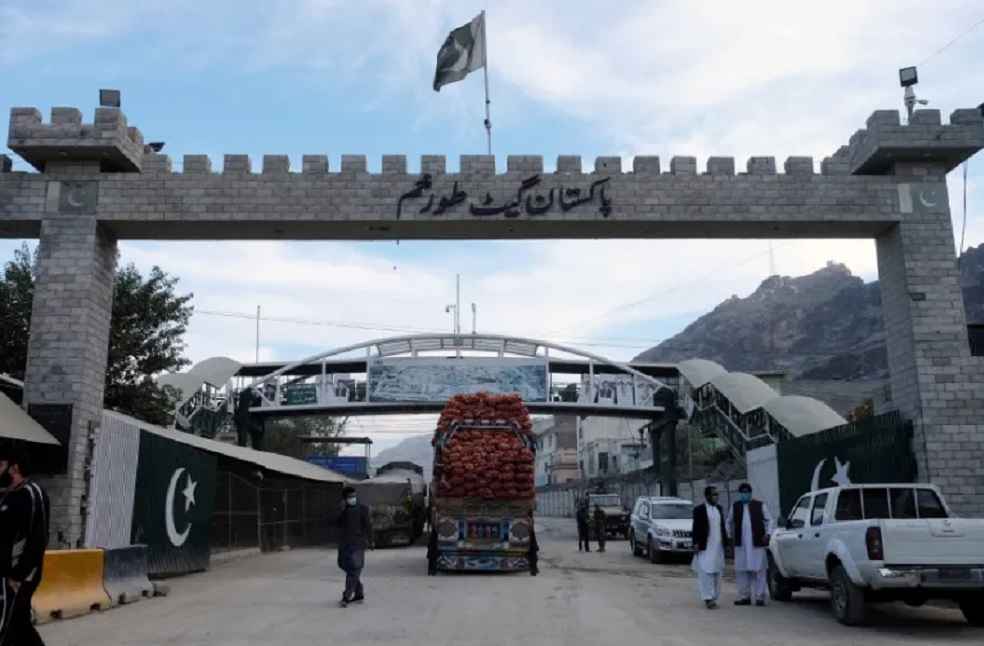
Pakistan’s economy has come under greater strain as the border closure with Afghanistan, in place since October 11, continues to restrict trade, manufacturing, and exports. The disruption has halted two-way commerce and triggered shortages, price surges, and production delays across sectors that rely heavily on cross-border routes, according to Dawn.
The cement industry is among the worst affected. Imports of Afghan coal and exports of cement to Afghanistan have come to a complete standstill, forcing manufacturers in northern Pakistan to shift to more expensive coal sourced from South Africa, Indonesia, and Mozambique.
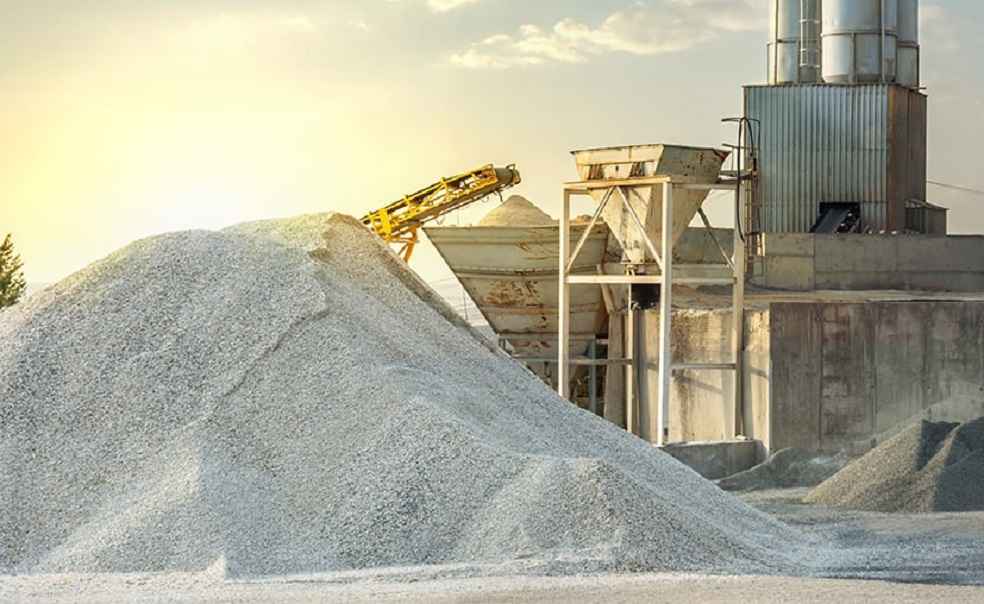
Prices of Darra coal have risen from PKR 30,000–32,000 to PKR 42,000–45,000 per ton, while Afghan coal, previously available at PKR 30,000–38,000, has disappeared from the market. Companies such as Cherat, Fauji, and Maple Leaf Cement are facing major financial strains as exports to Afghanistan formed a significant portion of their revenue.
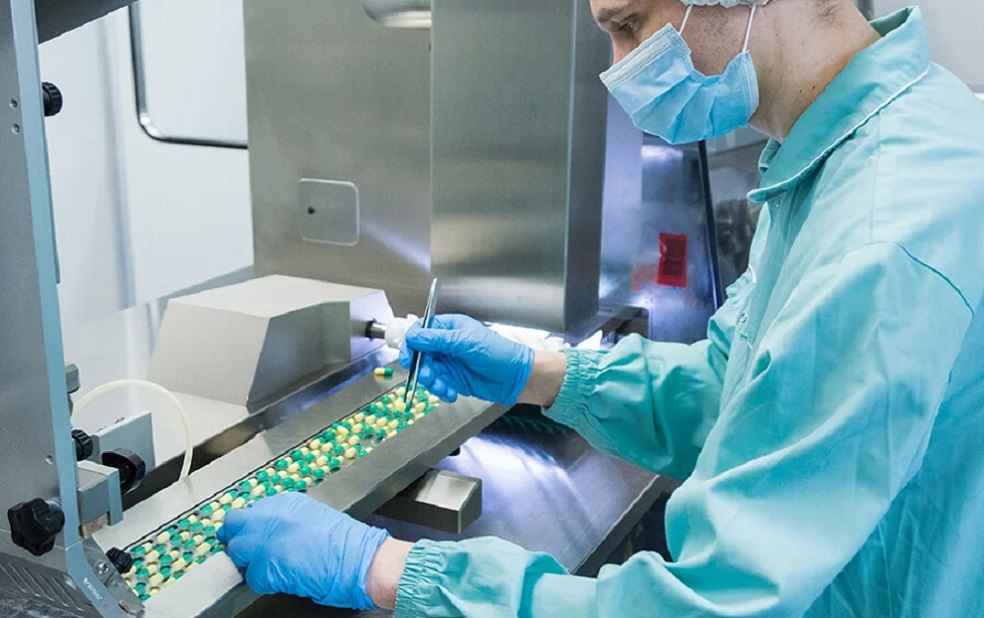
The pharmaceutical sector is also experiencing severe setbacks. Kaiser Waheed, former chairman of the Pakistan Pharmaceutical Manufacturers Association, said Pakistan annually exports $187 million worth of medicines to Afghanistan, and the real volume, including informal trade, is nearly triple that figure.
With border crossings closed, exporters now have large consignments stuck at factories, and some products cannot be diverted to domestic markets because they lack registration for sale in Pakistan. According to Dawn, Searle Pakistan has already projected a potential PKR 2 billion loss if the situation persists.
Agricultural trade has been hit as well. Pakistan’s $150 million fruit and vegetable exports to Afghanistan and Central Asian markets have slowed to a near halt, leading to consignments being dumped or ruined. Prices of imported fruits such as pomegranates and grapes have doubled after Afghan supplies were cut off.
More than 9,000 containers are currently stranded at ports and border points. Business leaders quoted by Dawn described the situation as alarming, warning that prolonged paralysis could deepen Pakistan’s economic crisis and weigh on already struggling industries.
IMEX SECTOR | China, ASEAN See New Boost in Agricultural Trade Flows