


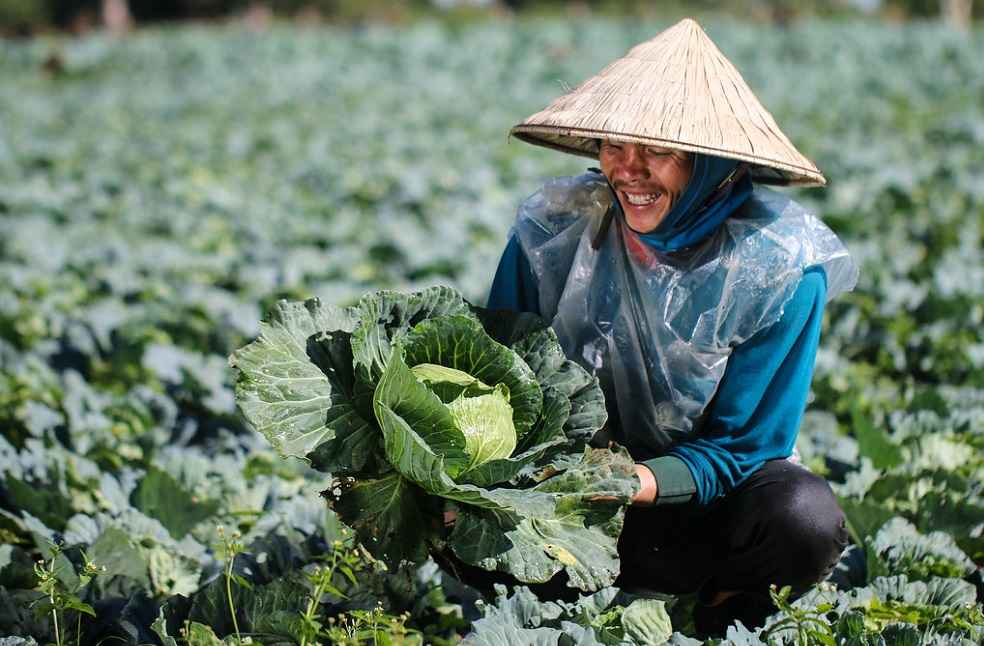
The U.S. decision to remove tariffs on approximately 100 Peruvian agricultural products has swiftly altered the outlook for Peru’s active export industries.
Following months of uncertainty over a 10% reciprocal duty on many Peruvian farm imports, these products will now enter the U.S. market tariff-free, as American consumers face growing concerns over rising food prices.
The recent exemption applies to nearly half of the 200-plus food items on which the United States has recently lowered tariffs. For Peru, this covers major exports such as avocados and coffee, along with mangoes, citrus fruits, ginger, cocoa, and fruit juices.
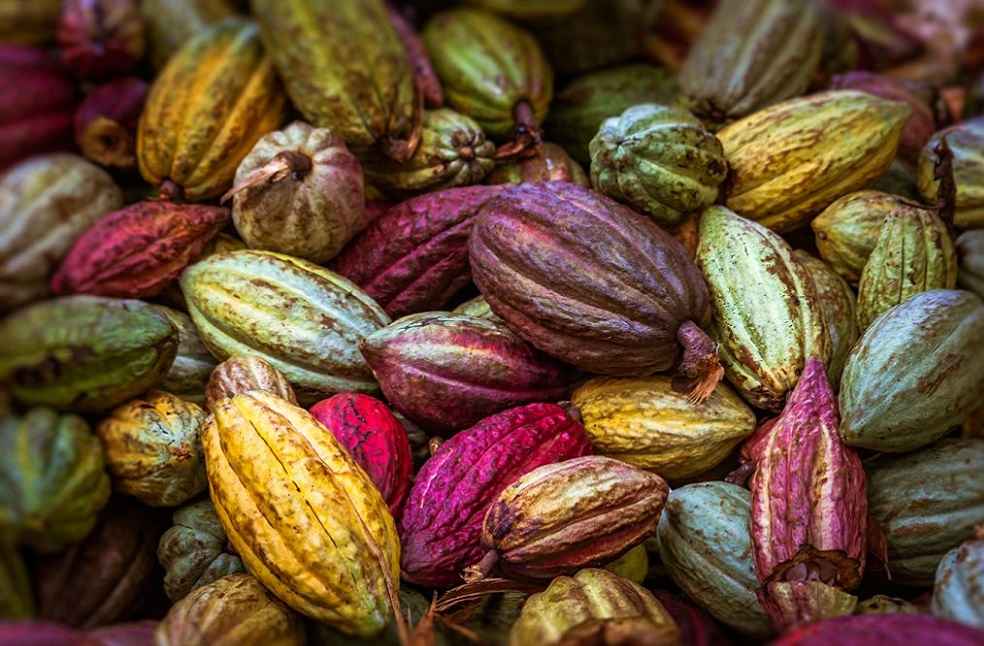
Collectively, these products accounted for approximately $1.2 billion in exports to the U.S. last year, representing around 24% of Peru’s total sales to that market.
Peru’s dependence on the U.S. market has grown, with exports totaling roughly $6.7 billion between January and September this year—an 8.2% increase compared to last year.
Blueberries continue to lead the exports, generating roughly $547 million in sales during the first nine months of the year, despite a modest decline from last year.
Notably, blueberries were excluded from the new tariff waiver, emphasizing that the measure is selective rather than comprehensive.
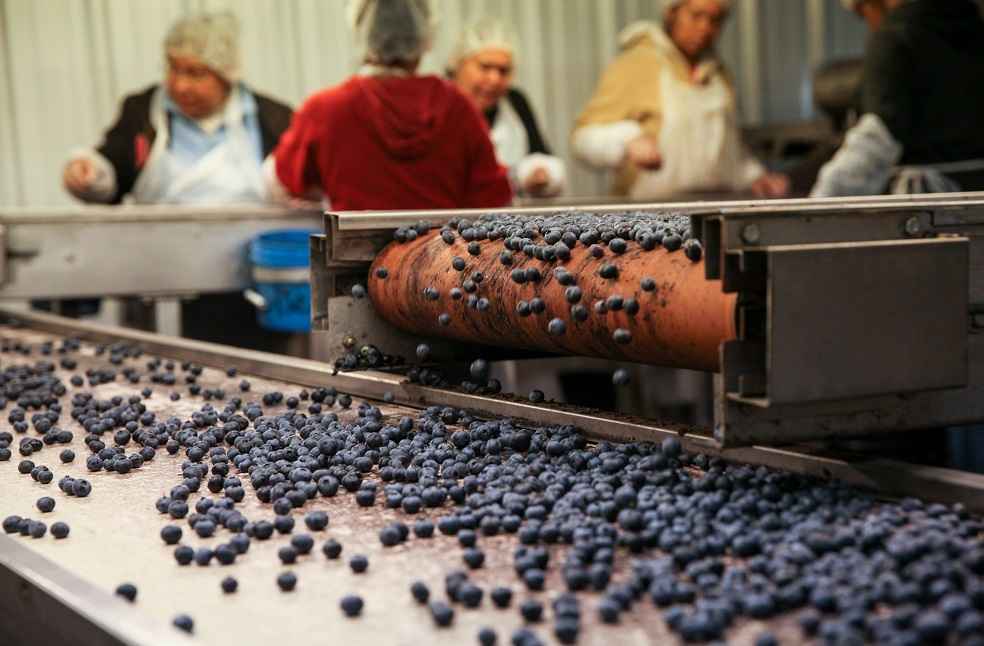
Officials contend that easing tariffs will spur new investment in packing and processing facilities, enabling Peru to expand beyond fresh produce and increase its higher-value-added food exports.
The government’s wider objective is to achieve roughly $85 billion in total exports by the end of 2025, up from about $74.7 billion in 2024, supported by growth in the agroindustry, fishing sector, and processed products.
TRADE WORLD | Shenzhen and Thailand Trade Grows on EV Exports, Faster Fruit Imports