


Samsung Electronics and other major South Korean firms unveiled new domestic investment plans on Sunday during a meeting with President Lee Jae Myung in an effort to address concerns that the companies might favor U.S. projects under a trade agreement.
Lee’s talks with corporate leaders followed the government’s recent trade deal with Washington, under which Seoul pledged $350 billion in U.S. investments to sidestep the Trump administration’s top tariffs.
Samsung, a major global chipmaker, said it will invest 450 trillion won ($310 billion) into its domestic expansion over the next five years, with a new production line at its Pyeongtaek hub aimed at addressing soaring semiconductor demand.
Hyundai Motor, South Korea’s biggest automaker, revealed plans to invest 125 trillion won ($86.3 billion) between 2026 and 2030 to strengthen domestic R&D and accelerate development of emerging technologies, including AI, robotics, and autonomous vehicles.
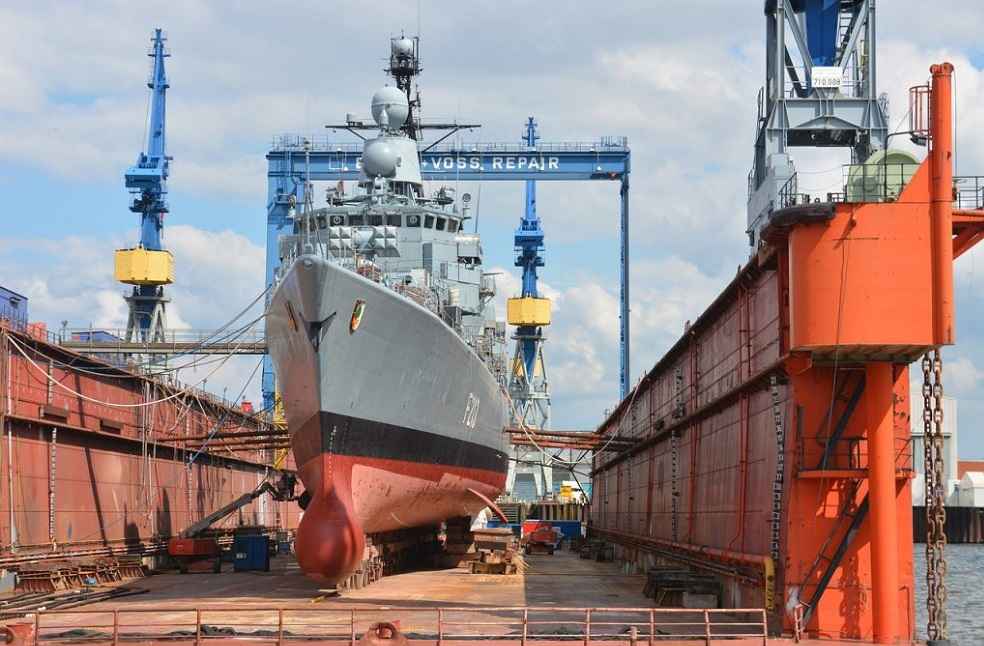
SK Group, another major semiconductor manufacturer, along with shipbuilders Hanwha Ocean and HD Hyundai, also unveiled plans to ramp up domestic investment. The two shipbuilding firms play key roles in South Korea’s commitments to support the U.S. shipbuilding sector, a priority emphasized by President Donald Trump during negotiations with Seoul.
Lee, in talks with company chiefs, acknowledged their contribution to negotiating the trade pact with Washington while urging them to continue strong domestic investment to counter fears of shifting resources to America. He noted that his administration is weighing steps, including regulatory reforms, to create a more favorable environment for businesses.
Chey Tae-won, chairman of SK Group, which plans to invest 128 trillion won ($88.3 billion) in South Korea by 2028 with a focus on artificial intelligence, noted that the completion of trade talks with Washington reduces uncertainty and supports stronger domestic investment.
On Friday, the two governments unveiled details of their trade pact, which includes $150 billion in South Korean investment in the U.S. shipbuilding industry and another $200 billion across other American sectors. Seoul noted the spending will be limited to $20 billion annually to avoid financial risks.
The U.S., in turn, agreed to cut tariffs on South Korean cars and auto parts from 25% to 15% and pledged to apply semiconductor tariffs on terms “no less favorable” than those offered to rival producers.
METAL WORLD | India Restricts Imports of Platinum Jewelry Until April 2026

