


Colombia has strengthened economic relations with China through a new agreement enabling the export of coffee, bananas, and cocoa to the Chinese market from 2026.
The deal was announced during the China International Import Expo (CIIE) 2025, held in Shanghai from November 5 to 10, where Colombia participated as the guest country of honor.
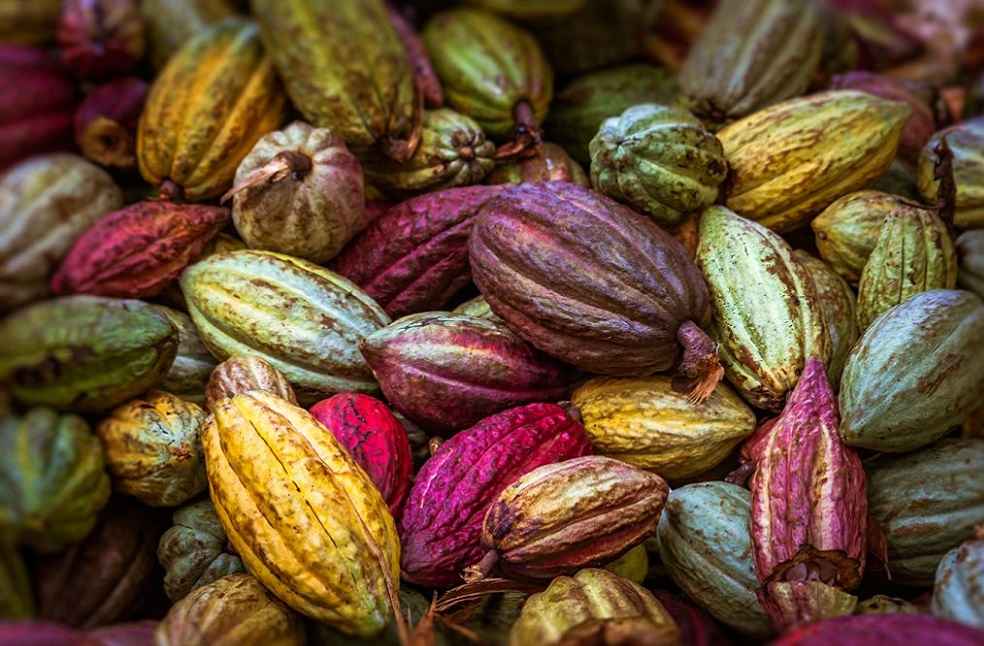
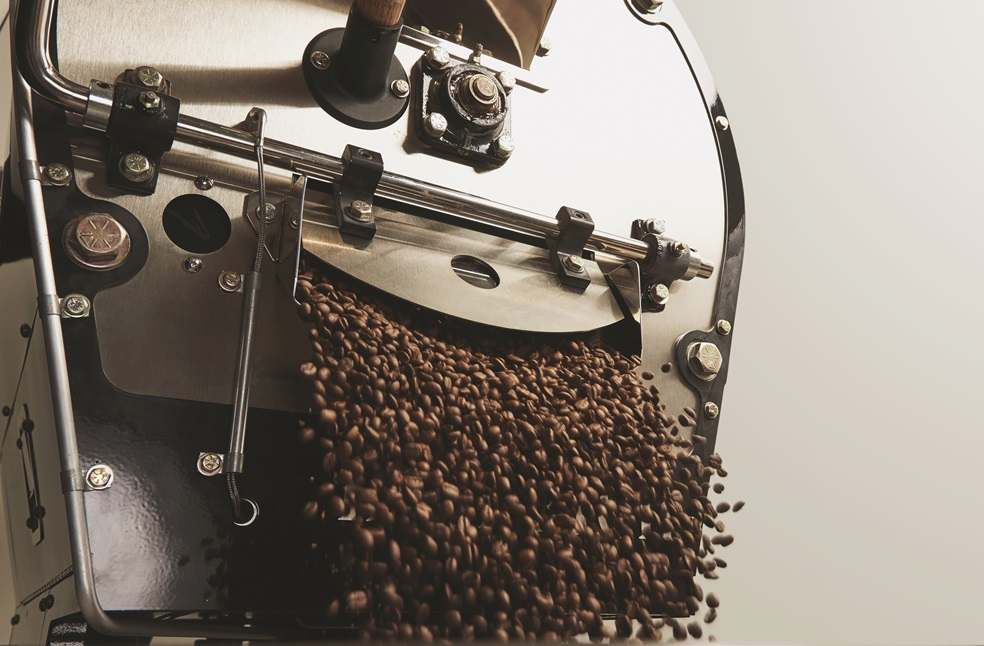
According to Colombia’s Ministry of Commerce, the agreement outlines annual exports of up to 80,000 tons of coffee, 15,000 tons of bananas, and 10,000 tons of cocoa.
The initiative reflects Colombia’s broader goal of transforming its agricultural sector into a driver of economic diversification and sustainable development, at the same time reducing reliance on traditional export destinations such as the United States amid growing trade tensions and tariff concerns.

The accord was reached in a context of strengthened bilateral cooperation following Colombia’s accession to China’s Belt and Road Initiative.
As part of the agreement, COSCO Shipping, China’s largest maritime transport company, will establish a direct route to Colombia to reduce logistics time and enhance trade competitiveness.
“We just held a very important coffee tasting. This is the company that buys the most coffee here in China, with stores all over the world.
It imports around 80,000 tons per year; now we’ll see how much we can supply from Colombia,” said César Pachón, president of Colombia’s Rural Development Agency (ADR).
He noted that interest from Chinese buyers also extends to bananas and cocoa, with ongoing negotiations on pricing and delivery schedules.
China’s growing demand for high-quality, traceable, and sustainable foods presents an opportunity for Colombia to position its agricultural exports strategically.
The ADR emphasized that the plan not only focuses on export volume but also aims to ensure that rural communities, including Indigenous, Afro-descendant, and historically marginalized populations, benefit directly through participation in value chains and the production of higher-value goods.
The agreement’s implementation depends on meeting several conditions. Colombian producers must comply with Chinese quality, sanitary, and traceability standards, which will require upgraded infrastructure, certifications, and stronger coordination among farmers’ associations.
Investments in logistics will also be necessary to optimize port operations, costs, and delivery schedules.

Additionally, diversifying export products, such as specialty coffee, differentiated banana varieties, and origin-based chocolate, could help secure a long-term foothold in the Chinese market.
“Today they’re importing coffee from more than seven countries, but we tell them: if you want the best coffee in the world, you have to bring it from Colombia,” Pachón said.
Colombian President Gustavo Petro hailed the agreement as a powerful step in promoting rural development and reducing dependence on illicit crops. “Twelve thousand tons of cocoa produced by farmers from the Nariño coast are headed to China.
This is how coca leaf crops are replaced, cocaine exports are reduced, and it happens without deaths or poisonings,” Petro stated on his X account.
TEXTILE & APPAREL | Vietnam’s Textile Industry Recovers Amid Costs and Trade Pressures