


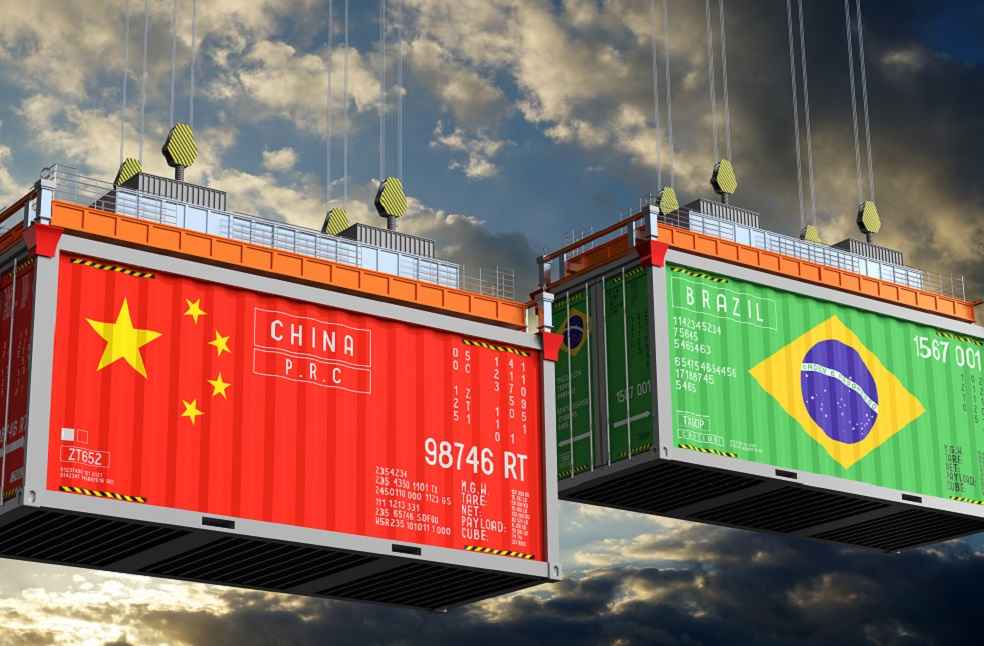
China’s growing investment footprint in Brazil is reshaping bilateral trade relations, with Brazilian businesses looking to deepen access to the Chinese market while seeking solutions to logistical and regulatory challenges.
Speaking at the China International Import Expo (CIIE) in Shanghai, Brazilian entrepreneur Christian Gogola, director of beverage company Legendaria, said more Chinese companies are entering Brazil than the other way around, but momentum is building for Brazilian firms to ‘go to China.’ He described the two nations’ ties as “great” and full of potential for broader cooperation.
Chinese investment in Brazil more than doubled in 2024, making the country the top emerging-market destination for Chinese capital and the third-largest globally, behind only Britain and Hungary, according to the Brazil-China Business Council.

Among the latest investments, Chinese automaker BYD opened its largest electric vehicle plant outside Asia in Brazil, investing 5.5 billion reais ($1.02 billion). President Luiz Inacio Lula da Silva praised the move as a landmark moment for Brazil’s technology and manufacturing sectors.
At the CIIE, Brazil marked its eighth consecutive participation with a national pavilion organized by ApexBrasil. Juliano Marques Plens of Coopermota highlighted Brazil’s strong trade prospects with China, particularly in agriculture.
But she said logistics remain a major obstacle due to long distances and high transport costs. He called for coordinated efforts to reduce shipping times and simplify customs procedures.
China has become a vital customer for Brazilian soybeans, beef, and other agricultural goods. Chinese agribusinesses such as Cofco International have expanded operations in Brazil, investing in rail and port infrastructure to streamline exports.
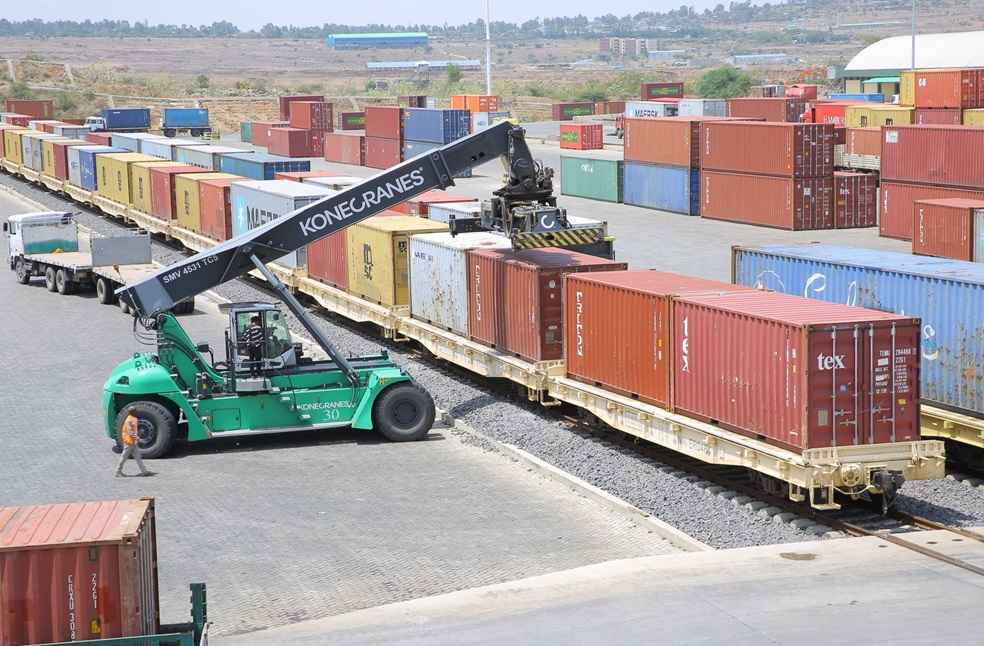
Cofco recently added nearly 1,000 rail wagons and 23 locomotives after launching a new terminal at the Port of Santos.
Meanwhile, Chinese consumer brands are also increasing their presence in Brazil. Beverage company Mixue, known for its tea and ice cream products, plans to open its first store in the country and increase imports of Brazilian agricultural ingredients.
Experts say the expanding trade relationship now extends “beyond soybeans,” encompassing food, vehicles, and consumer goods. Some cultural and regulatory frictions persist.
Earlier this year, allegations of labor rights violations at BYD’s Brazilian plant underscored the challenges Chinese companies face in adapting to local conditions.
Despite these hurdles, both nations view the growing economic engagement as mutually beneficial, with Brazil emerging as a key partner in China’s global supply and investment network.
BUSINESS GENERAL | U.S. Pork Producers Applaud New Asian Trade Agreements
