



Nigerian President Bola Tinubu has authorized a 15% ad-valorem import duty on petrol and diesel. The measure seeks to support domestic refineries and stabilize the downstream market, though it may lead to higher fuel prices at the pump.
In a directive issued on October 21 and released on Wednesday, Tinubu instructed the Federal Inland Revenue Service (FIRS) and the Nigerian Midstream and Downstream Petroleum Regulatory Authority (NMDPRA) to start implementing the tariff immediately. The government stated that the move is part of a broader ‘market-responsive import tariff framework.’
The proposal suggests imposing a 15% duty on the cost, insurance, and freight (CIF) value of imported petrol and diesel to better align with market conditions and promote domestic production.
FIRS Chairman Zacch Adedeji stated in his memo that the measure aims to bolster Nigeria’s ‘Renewed Hope Agenda,’ promoting energy security and economic stability.

“The core objective of this initiative is to operationalize crude transactions in local currency, strengthen local refining capacity, and ensure a stable, affordable supply of petroleum products across Nigeria,” Adedeji stated.
The Chairman also warned that the gap between locally refined fuel prices and import parity benchmarks has contributed to market instability. He noted that import parity pricing often falls short of covering domestic refiners’ costs, particularly amid fluctuations in foreign exchange and freight, putting emerging local producers at risk.
Adedeji explained that the new tariff system will curb duty-free fuel imports from undermining local refineries and support a fair, competitive downstream market.
Estimates in the presidential approval memo suggest the 15% import duty could increase the landing cost of petrol by approximately ₦99.72 per liter.
The move is part of Nigeria’s wider strategy to reduce dependence on imported petroleum products and boost domestic refining capacity.
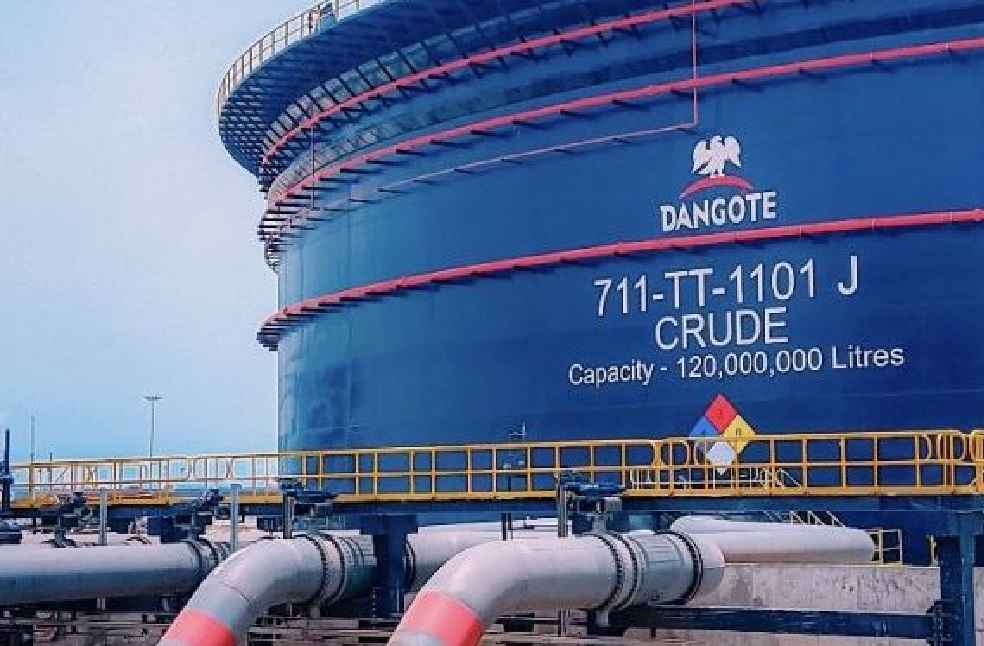
The Dangote Refinery in Lagos, with a capacity of 650,000 barrels per day, has started producing diesel and aviation fuel, while smaller modular refineries in Edo, Rivers, and Imo states are engaged in limited-scale petrol production.
However, imported petrol continues to account for roughly 67% of Nigeria’s total fuel consumption.
LEADERS SPOT | Korean Trade Minister Calls for Open Plurilateralism, AI Cooperation