


India’s initiative to ramp up local production of rare earth minerals and magnets—critical components for electric vehicles and advanced technologies—may face a significant setback. According to a report by The Economic Times, Beijing’s recent move to impose stricter export controls on rare earth processing equipment has raised alarms among Indian government officials and industry leaders involved in the ₹7,300 crore incentive program.
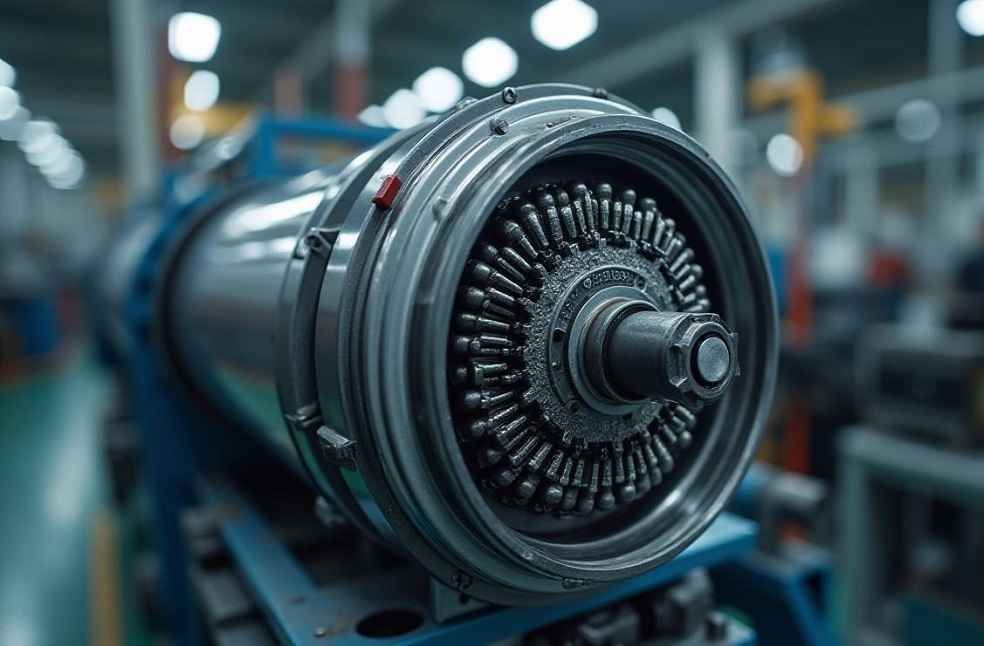
Earlier this month, China’s Ministry of Commerce broadened its export restrictions to include equipment and materials used in the production and processing of rare earth elements. The new restrictions apply to items such as centrifugal extraction machines and advanced impurity-removal systems, which are crucial for refining ionic rare earth ores. Exporters will now need special licenses and must specify whether the equipment could have both civilian and military applications. According to China, the move is aimed at ‘safeguarding national security,’ mirroring similar controls imposed earlier this year on medium and heavy rare earth materials.
The Indian government recently approved the incentive scheme through the Expenditure Finance Committee to promote domestic manufacturing of rare earth magnets. The program allocates ₹6,500 crore for capital investment and ₹800 crore for operational expenses, with final Cabinet approval anticipated soon.
However, industry experts warn that China’s new export controls could hinder or delay India’s plans. According to The Economic Times, most of the equipment and technology required for rare earth processing are sourced from China. While alternatives from countries such as Germany or Japan exist, they are considerably more expensive, which could substantially raise overall project costs.
The initiative, expected to be titled the Scheme to Promote Sintered Rare Earth Permanent Magnet Manufacturing in India, is intended to build a fully domestic production ecosystem. It targets an annual capacity of up to 6,000 tons and will operate for seven years. The scheme’s primary goal is to establish a self-sufficient value chain capable of converting NdPr (neodymium-praseodymium) oxide into sintered NdFeB (neodymium-iron-boron) magnets—crucial components for sectors like automotive, electronics, wind power, and defense.
According to industry officials, around 50 applications are currently awaiting approval under the scheme. However, China’s new export restrictions could hinder India’s progress toward achieving self-reliance in this area.
TRADE WORLD | South Korea Plans to Upgrade Free Trade Agreement with ASEAN Nations