


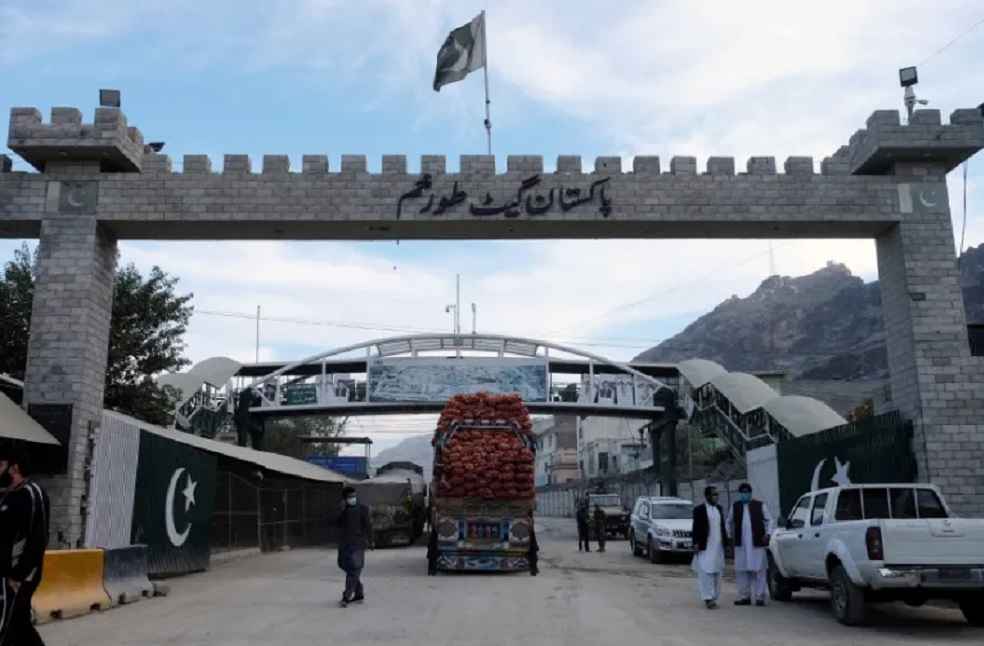
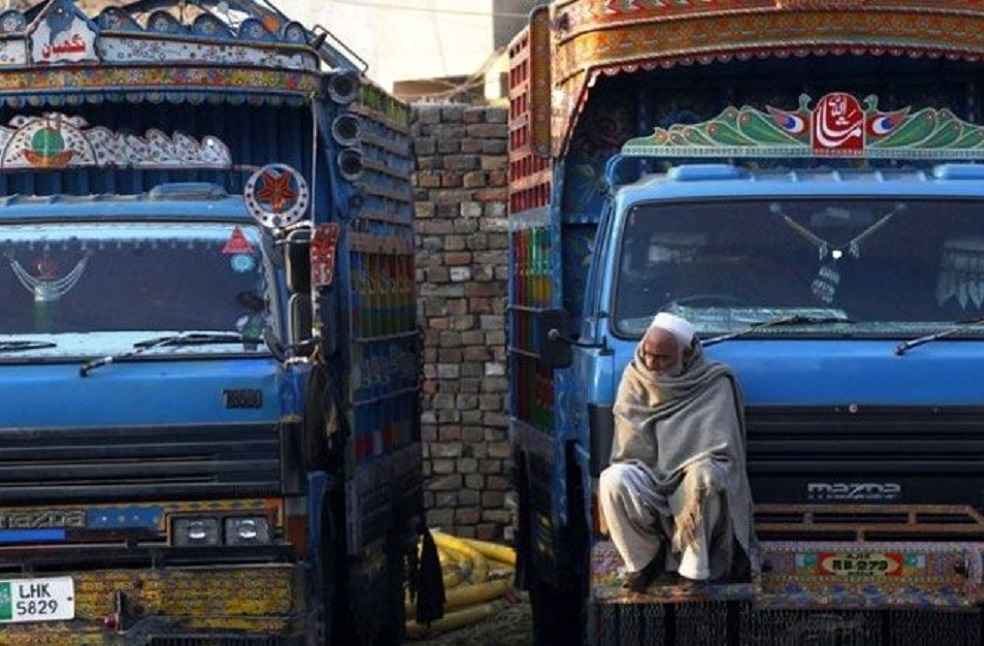
It has now been fifteen days since the trade routes between Afghanistan and Pakistan were closed, disrupting the movement of goods and severely affecting trade on both sides. Afghan traders report that the shutdown has led to millions of dollars in direct and indirect losses.
In response to the ongoing challenges, including the suspension of Afghan goods transit through Pakistan’s Karachi port, the Ministry of Industry and Commerce of the Islamic Emirate of Afghanistan has announced measures to develop alternative trade routes.
Nooruddin Azizi, Minister of Industry and Commerce, stated that the initiative aims to support Afghan farmers, traders, and industrialists facing mounting difficulties. “The routes are closed, Afghanistan’s products are not being exported, and on the other hand, transit through Pakistan is also halted,” he said.
“We are striving to establish reasonable alternative routes so that Afghan products can find suitable markets in the region. We’ve been working toward this goal over the past four years and have now accelerated our efforts.”
The Afghanistan–Pakistan Joint Chamber of Commerce confirmed that the closure has caused substantial losses to the private sector in both countries, effectively halting exports and transit. Chamber officials have urged that politics be separated from trade to preserve economic cooperation.
Naqibullah Safi, CEO of the Joint Chamber, explained: “The private sector and chambers on both sides are in contact with officials, including the Ministry of Industry and Commerce, seeking solutions to this issue. Unfortunately, it depends on politics. If it were only a trade issue, the reopening would not be far off.”
Some Afghan traders report that parts of their export consignments have spoiled due to the prolonged closure. They view the government’s push for new trade corridors as a strategic step toward reducing Afghanistan’s dependence on Pakistan.
Trader Omid Haidari noted: “Exports through Torkham, Ghulam Khan, and Spin Boldak are always disrupted, causing losses for our traders. The government should offer supportive incentives to encourage exporters to use alternative ports like Nimroz and Islam Qala for trade with other markets such as Turkey and India.”
Meanwhile, Pakistani media outlets have quoted the country’s Foreign Ministry as confirming that trade transit with Afghanistan remains suspended. Crossings, they said, will stay closed until security conditions are reassessed.
Tahir Andrabi, spokesperson for Pakistan’s Foreign Ministry, stated that the government’s priority is the safety of its citizens, remarking that “the lives of Pakistani citizens are more valuable than any commercial goods.”
METAL WORLD | Pakistan Restores Trade Policy for Gold and Precious Metals
