


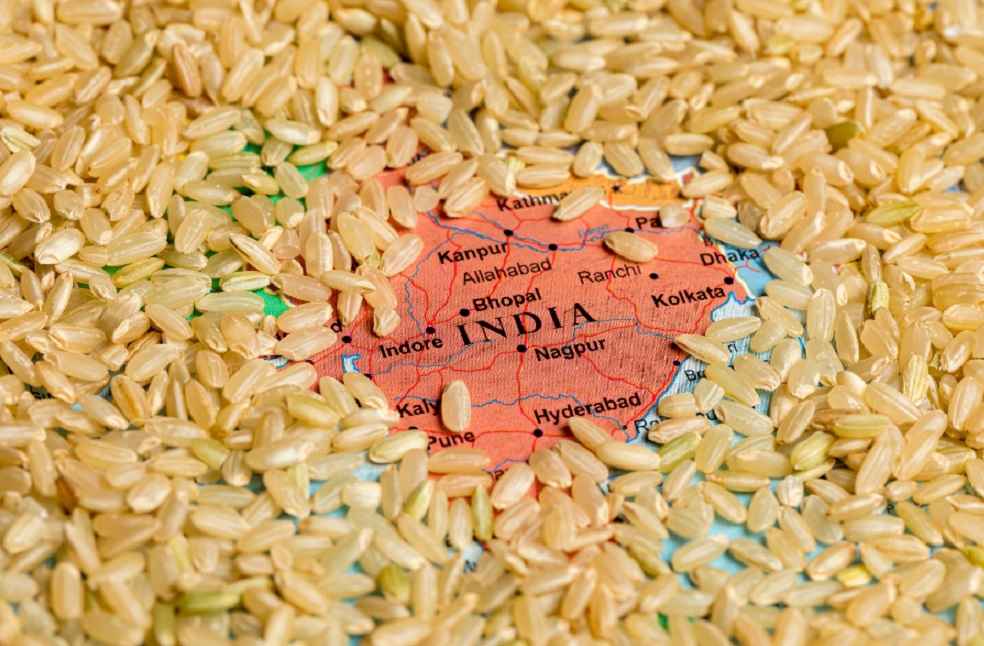
India aims to strengthen its position in the global rice trade, setting an ambitious goal of capturing up to 55–60% of the world market share, according to Prem Garg, Chairman of Shri Lal Mahal Group and National President of the Indian Rice Exporters Federation (IREF).
Speaking to ANI ahead of the Bharat International Rice Conference (BIRC) 2025, Garg described the upcoming event as a major milestone for the Indian rice industry and a key opportunity for global collaboration.
“Never in the past a conference of this magnitude was held in India. Conferences used to happen, but at small scale,” he said, emphasizing the significance of the global meet.
India currently leads the world in rice production, surpassing China, and accounts for about 40% of global exports, equivalent to roughly 22 million tons. “In terms of volume, the aim is to raise it to 28–30 million tons,” Garg stated, outlining the industry’s growth vision.
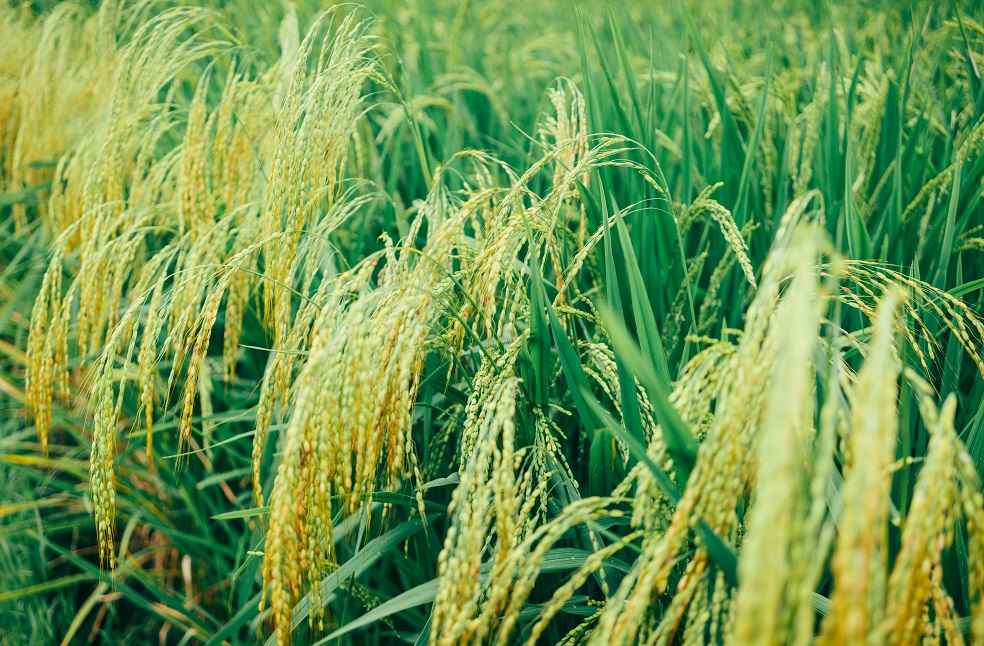
Scheduled for October 30–31, the BIRC 2025 conference will bring together global participants to foster trade partnerships and expand export opportunities.
“The countries which will participate in the upcoming conference will be able to network with new buyers. We have also invited countries that import little rice from India,” Garg added.
India’s export strategy now includes expanding its footprint in Japan, West Africa, South America, and the Middle East regions, identified as high-potential markets.
Garg highlighted that India’s diverse range of premium and GI-tagged rice varieties, along with a growing focus on organic rice, offers strong appeal in international markets.
The event, organized by IREF in collaboration with the Agricultural and Processed Food Products Export Development Authority (APEDA) and supported by the Department of Commerce, Ministry of Commerce and Industry, aims to cement India’s leadership in global rice trade and innovation.
IREF represents more than 7,500 exporters and allied stakeholders nationwide, promoting India’s rice ecosystem and institutional networks.
Partner countries for the conference include the Philippines, Myanmar, Niger, Comoros, Jordan, Liberia, The Gambia, and Somalia.
Globally, over four billion people depend on rice for sustenance and livelihood, with approximately 150 million smallholder farmers cultivating it across more than 100 countries. The rice industry is valued at around $330 billion, ranking as the world’s third most-traded food commodity.
India produced an estimated 150 million tons of rice in 2024–25 from nearly 47 million hectares, roughly 28% of global output. Average yields have improved from 2.72 tons per hectare in 2014–15 to 3.2 tons in 2024–25, driven by better seed varieties, irrigation, technology adoption, and policy support.
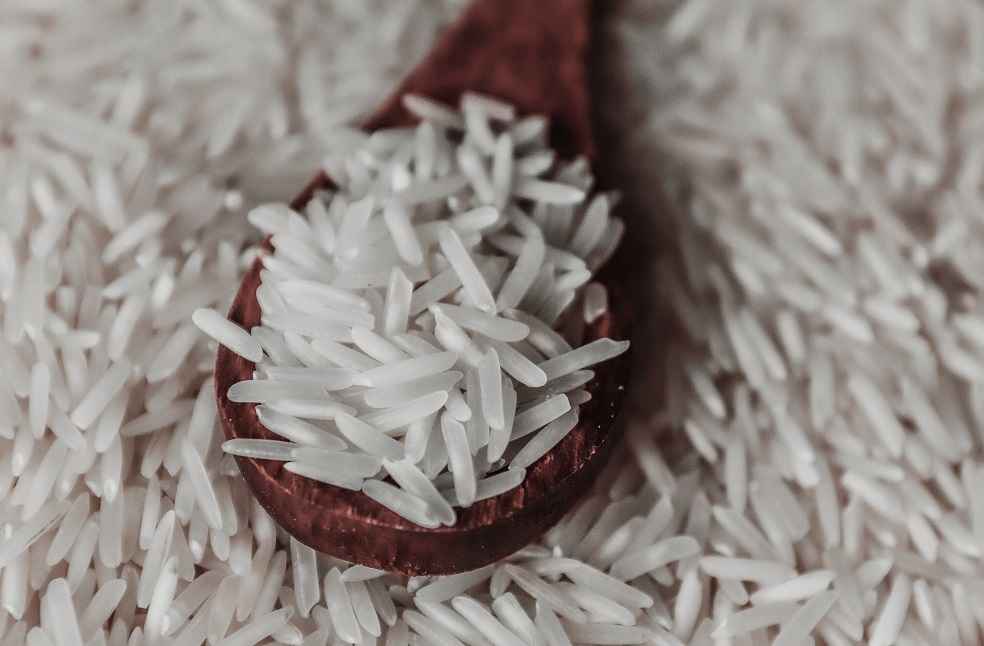
In FY 2024–25, India exported about 20.1 million metric tons of rice worth $12.95 billion to more than 172 countries, accounting for 30% of global rice exports.
The conference aims to unlock Rs 1.80 lakh crore in new rice import markets currently served by competitors and facilitate export MoUs and contracts worth Rs 25,000 crore.
Participating states, including Jammu & Kashmir, Manipur, Telangana, Odisha, Meghalaya, Assam, Uttar Pradesh, Bihar, Chhattisgarh, and Haryana, will showcase their GI and specialty rice varieties.
Along with rice, the report further highlights advanced seed and agronomy practices, processing and storage capacities, FPO and cooperative initiatives, logistics corridors, and investment opportunities, reinforcing India’s integrated approach to the global rice economy.
POLICY & LAW | China Aims for Balanced Imports and Exports in New Policy
