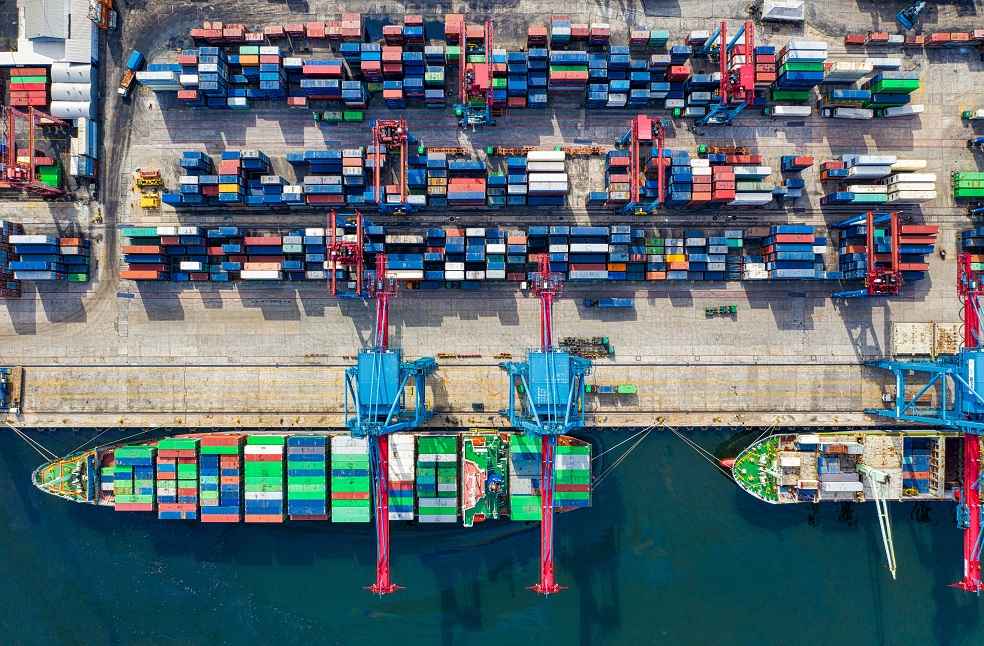
China’s commerce minister, Wang Wentao, said on Friday that the country should aim for ‘balanced development’ between imports and exports, following the conclusion of future policy planning meetings in Beijing.
The four-day talks commenced on Monday, bringing together top officials to map out long-term plans for China’s upcoming 15th Five-Year Plan, set to begin next year. The discussions come at a challenging moment for China as it grapples with weak consumer spending, a prolonged property market crisis, and ongoing trade tensions with the U.S.
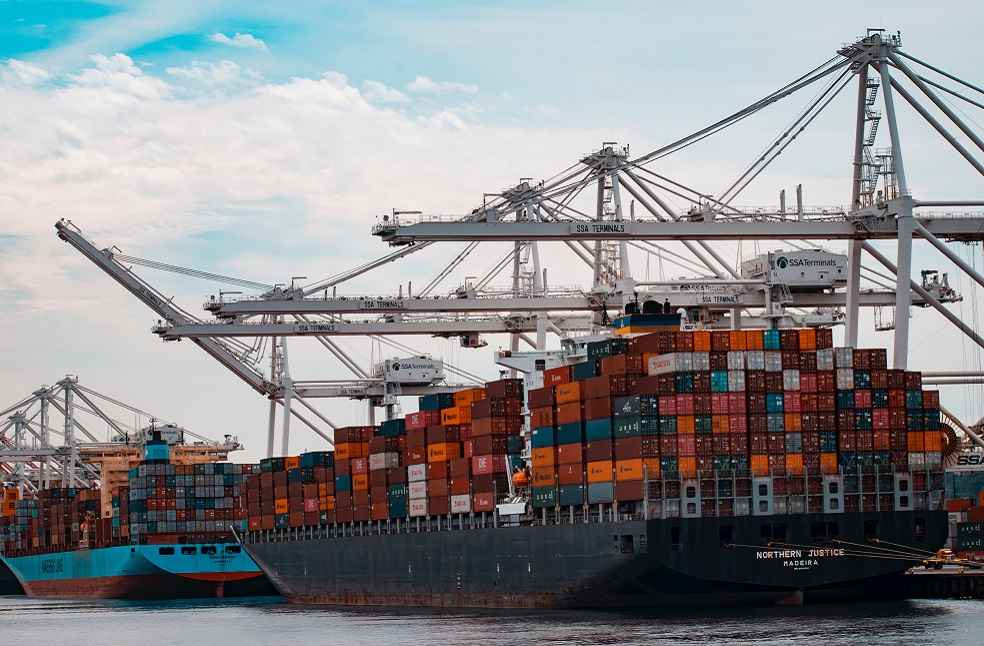
China’s substantial trade surpluses with the U.S. and EU have faced criticism from their leaders, who argue that Beijing is saturating markets with low-cost goods, harming domestic businesses.
In response, the minister emphasized the need to ensure more balanced growth between the country’s imports and exports.
According to the U.S. Commerce Department, China’s trade surplus with the United States totaled $295.4 billion last year. While Beijing has been hesitant to alter this balance, escalating trade tensions have made it harder for officials to rely on exports—which reached a record high in 2024—to drive strong economic growth this year.
Wang also pledged that China will work to build a more attractive environment for foreign investment over the next five years.
“We must polish the brand of investing in China, create new advantages in attracting foreign investment, create a transparent, stable and predictable business environment,” he added.
Wang stated that China will keep ‘proactively’ promoting broadening its network of economic and trade partners. Despite ongoing retaliatory trade disputes with Washington, both nations are working to prevent further escalation.
U.S. President Donald Trump is scheduled to meet Chinese President Xi Jinping in South Korea next Thursday.
On Friday, senior officials pledged that China’s high-tech industries would undergo large-scale development over the next decade. Development official Zheng Shanjie said that sectors like “quantum technology, hydrogen and nuclear fusion energy, and brain-computer interfaces are set to gain momentum,” adding that this growth is expected to transform the country’s high-tech sector in the coming ten years.
TRADE WORLD | Pakistan to Boost Exports of Pharmaceuticals to $30 Billion