


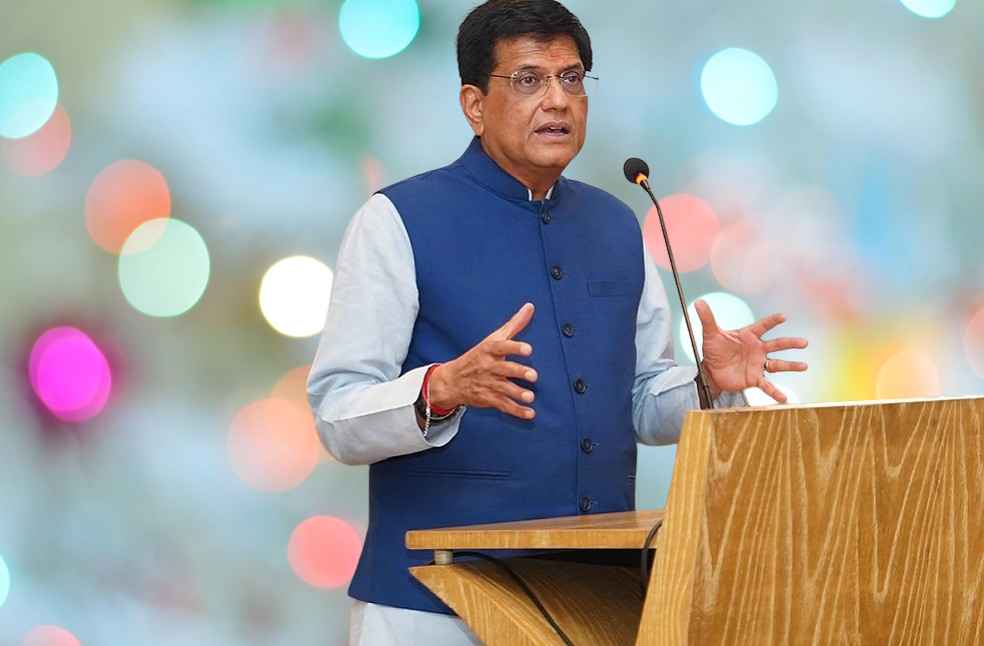
India’s Commerce and Industry Minister Piyush Goyal has urged nations of the Global South to unite and present a collective voice to address rising uncertainty, inequality, and distrust in the global trading system.
Speaking at the 16th Session of the United Nations Conference on Trade and Development (UNCTAD) in Geneva on Wednesday, Goyal warned that the rules-based multilateral order was being undermined by unilateral measures, protectionist barriers, and non-market practices.
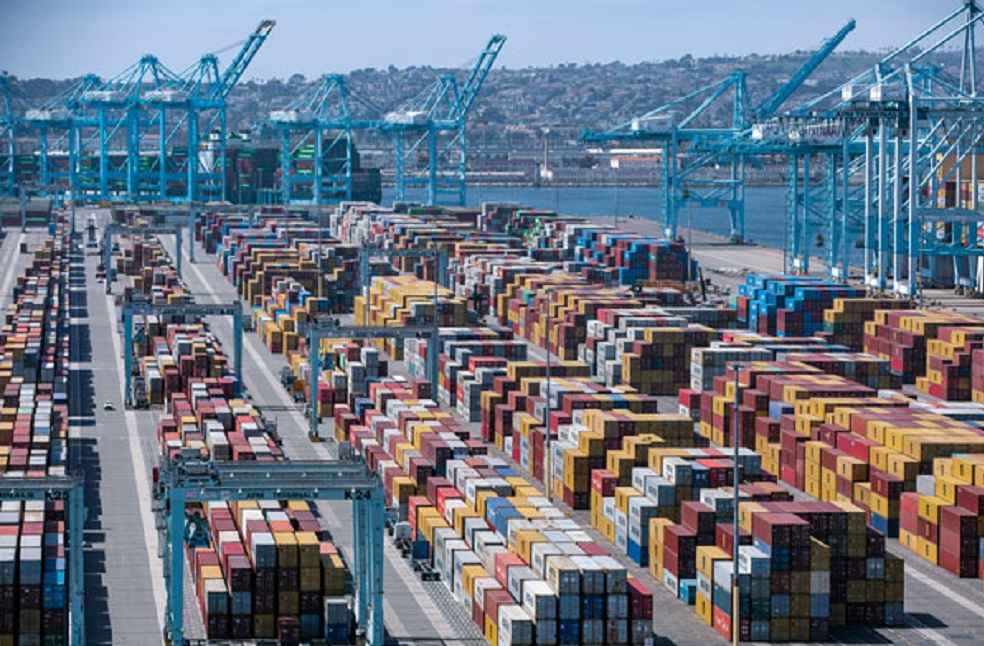
Goyal said the world was facing “an era of profound trust deficit” that extended across multilateral institutions, international organizations, and sovereign states. He cautioned that tariff and non-tariff barriers, as well as over-concentrated supply chains, were eroding confidence in global trade governance.

“A lot of non-market practices are coming into play… There’s an over-concentration of supply chains, both at the source and at times on the demand side. Also, there’s a dilution of the special and differential treatment that was provided when the WTO was originally set up,” Goyal noted.
He pointed out that unilateral restrictions on technology and services were becoming increasingly common, disproportionately affecting developing economies.
The remarks came amid recent trade tensions between India and the United States. In August, U.S. President Donald Trump imposed an additional 25% tariff on Indian goods, citing New Delhi’s continued oil imports from Russia.
This followed a similar 25% ‘reciprocal tariff’ introduced in April to curb trade imbalances. The higher duties have hit India’s labor-intensive export sectors, including textiles, leather, gems, and jewellery, contributing to an 11.9% year-on-year drop in exports to the U.S. in September, the first full month under the new tariff regime.

In addition, the U.S. government has sharply increased visa costs, hiking the one-time H-1B application fee from $1,000 to $100,000, disrupting India’s IT and service industries. The U.S. remains India’s largest single export market, accounting for roughly 2% of its GDP.
Goyal also criticized developed nations for failing to deliver on their climate finance commitments under the 2015 Paris Agreement. He said the promised $100 billion in annual funding for developing countries had yet to materialize.
“Despite several promises made at Paris at COP 21, the developed countries have not yet fulfilled their end of the bargain,” Goyal remarked.
He added that developing countries were still awaiting access to affordable green technologies from the developed world to support their climate adaptation efforts.
Goyal also warned that unilateral environmental and digital restrictions were deepening global divisions and undermining the principles of fairness enshrined in the World Trade Organization.
Highlighting India’s progress, Goyal said the nation had lifted 250 million people out of poverty in the past 12 years and emerged among the world’s five largest economies.
He underscored India’s leadership in sustainability initiatives such as the International Solar Alliance, Global Biofuel Alliance, and Coalition for Disaster Resilient Infrastructure.
Half of India’s current 250 GW power capacity now comes from renewable sources, which the country plans to double by 2030.
“Though we are home to 17% of the world’s population, India contributes only 3.5% to 4% of global emissions,” Goyal said, urging developed economies to “fulfil their end of the bargain” and support equitable, sustainable growth.
BUSINESS GENERAL | India Faces Fertilizer Price Surge After China Halts Export